Issue · Healthcare

Healthcare

Every healthcare bill, vote, and legislator stance in United States, automatically classified by Maddy, our AI policy reader.

Total bills
3,150
119th Congress
Top supporter
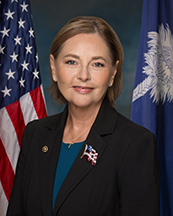
Darline Graham
82% support rate
Top opponent
Rick Scott
19% support rate
Ranked legislators
10
5 support · 5 oppose
Key legislators

Who's moving healthcare in United States

Legislators moving healthcare in United States
Legislator Party Stance Support rate Decisive votes
Darline Graham
Darline Graham Senate
R
Strong +
82% 11
Peter Welch
Peter Welch Senate
D
Strong +
81% 27
Ron Wyden
Ron Wyden Senate
D
Support
78% 27
Alex Padilla
Alex Padilla Senate
D
Support
77% 26
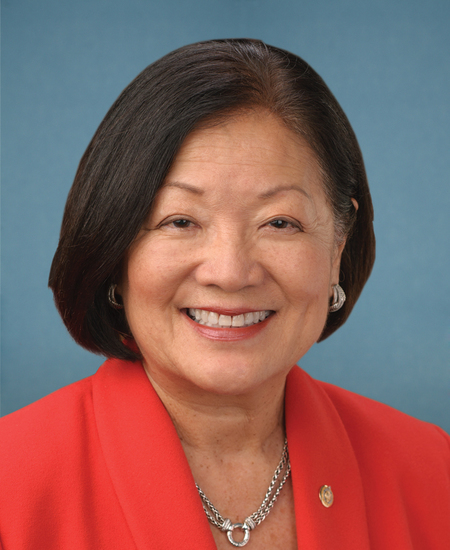
Mazie K. Hirono
Mazie K. Hirono Senate
D
Support
74% 27
Rick Scott
Rick Scott Senate
R
Strong −
19% 27
Ashley Moody
Ashley Moody Senate
R
Oppose
22% 27
Rand Paul
Rand Paul Senate
R
Oppose
22% 27
Brad Knott
Brad Knott House · District 13
R
Oppose
28% 18
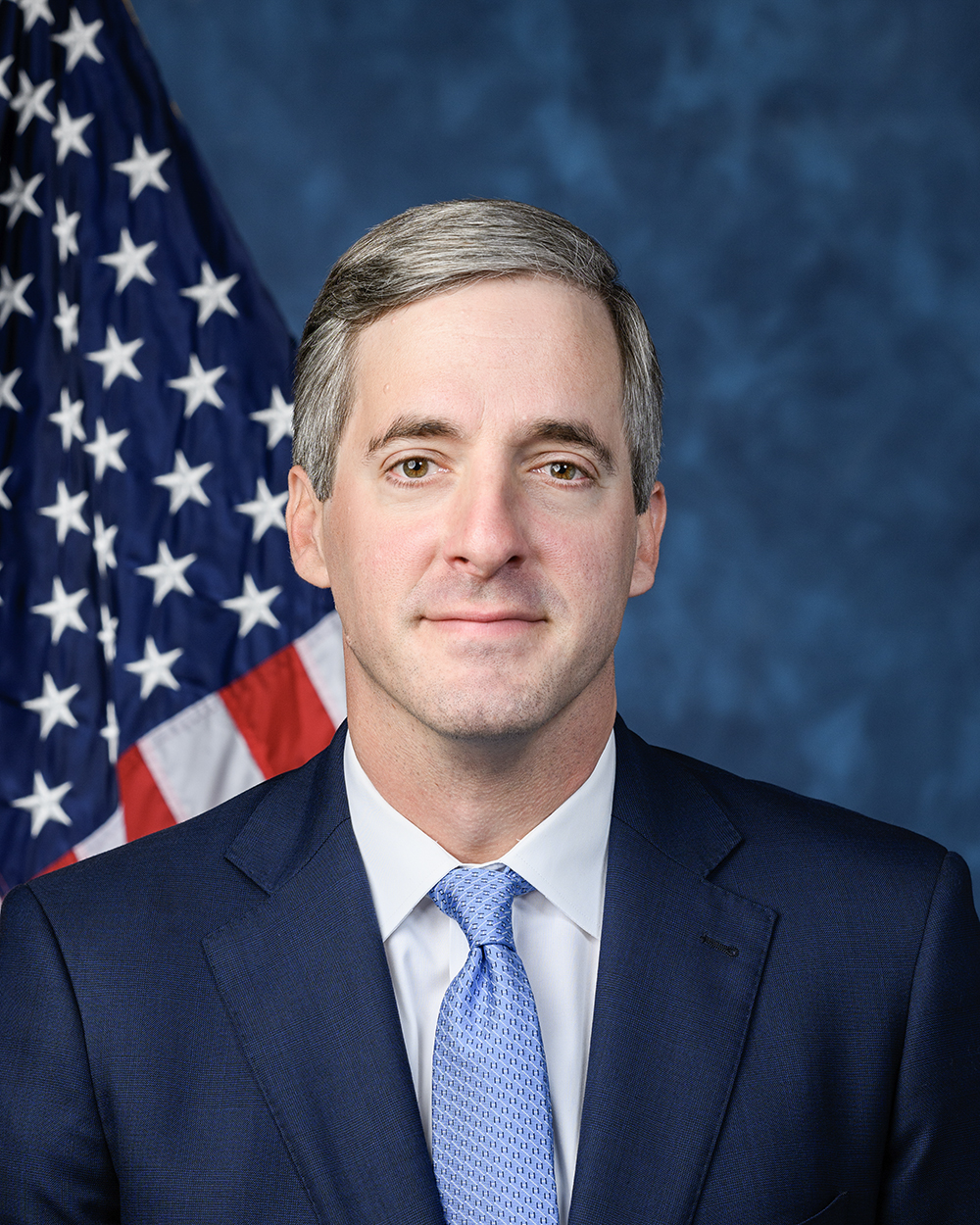
Pat Harrigan
Pat Harrigan House · District 10
R
Oppose
28% 18
Showing 1,281–1,290 of 3,150 bills

All healthcare bills

in committee · United States · Senate Feb 27, 2025

S 783: Assistance for Rural Water Systems Act of 2025

S 783, the Assistance for Rural Water Systems Act of 2025, provides new financial assistance to rural water, wastewater, and waste disposal systems. It authorizes grants, zero-percent or 1% interest loans, and loan modifications/forgiveness for eligible entities facing public health risks or financial hardship in economically distressed areas. The bill requires the Secretary to establish affordability metrics (cost per household as a percentage of median income) to determine eligibility for assistance targeting distressed communities. This directly affects rural water systems in disadvantaged areas by offering flexible financial support to maintain essential services. The legislation focuses on concrete policy changes to improve water system sustainability without speculative outcomes.
Sub-Topics Public Health Tags Rural Communities
in committee · United States · House Mar 14, 2025

HR 2151: Seizure Awareness and Preparedness Act

HR 2151, the Seizure Awareness and Preparedness Act, creates a federal grant program to support schools in managing epilepsy and seizure disorders among students. It directly affects students with these conditions and their schools by requiring funded training for staff on emergency care plans, individualized health plans, and seizure recognition. Key provisions mandate that schools develop written emergency and health care plans with medical providers and parents, train all staff (including bus drivers) every two years on seizure response, and ensure proper communication between schools and families. The bill allocates $34.5 million over five years (2026-2030) to supplement, not replace, existing school funding for these programs.
in committee · United States · House Mar 21, 2025

HR 1413: To amend title 38, United States Code, to require that domiciliary facilities of the Department of Veterans Affairs and State homes that provide housing to veterans have resident advocates.

This bill requires the Department of Veterans Affairs (VA) and state-run veteran housing facilities to appoint resident advocates for veterans living in their facilities. The advocates must act as a liaison between veterans and facility leadership, handle veterans' complaints directly, and escalate unresolved issues to higher authorities like the VA Inspector General or state officials. It applies to all VA domiciliary facilities and state homes receiving federal funding for veteran care. The key change is mandating this independent support role to improve communication and address veterans' concerns within these housing settings.
in committee · United States · House Apr 10, 2025

HR 2904: Pursuing Equity in Mental Health Act

The Pursuing Equity in Mental Health Act (HR 2904) aims to reduce mental health disparities affecting racial and ethnic minority groups by modifying federal grant programs, requiring research on disparities, and funding targeted initiatives. It directs the Health and Human Services Secretary to prioritize grants for community health organizations serving minority populations, mandates a National Institutes of Health study on mental health research gaps in these groups, and establishes training programs for health professionals to address cultural competency in mental health care. The bill also requires a public outreach strategy developed with community input to reduce stigma and improve access to culturally appropriate care, alongside $20 million annually (2026-2031) for this effort. Additional funding includes $150 million yearly for NIH mental health research and $750 million yearly for the National Institute on Minority Health.
Sub-Topics Mental Health
in committee · United States · House Jan 24, 2025

HR 739: Salad Bars in Schools Expansion Act

The Salad Bars in Schools Expansion Act provides grants to cover the installation costs of salad bars in schools participating in the National School Lunch Program, prioritizing schools with high rates of students eligible for free or reduced-price meals, those in food deserts, or schools offering nutrition education. It requires the Secretary of Agriculture to create a marketing plan and provide training, technical assistance, and resources to help schools implement salad bar programs. The grant program must be evaluated within one year, with a report to Congress detailing participation and outcomes, and will end after five years. The bill uses existing funding without new appropriations, focusing on expanding access to fresh fruits and vegetables in school meals.
Sub-Topics Student Health
in committee · United States · House Oct 3, 2025

HR 3302: Healthy Start Reauthorization Act of 2025

This bill reauthorizes funding for the Healthy Start Initiative, which provides maternal and infant health services to at-risk communities. It specifies $145 million annually for fiscal years 2026 through 2030 to support existing Healthy Start programs. The bill modifies the funding language in the Public Health Service Act to continue these services without changing program requirements. It directly affects local health organizations operating under the Healthy Start Initiative.
in committee · United States · House Apr 4, 2025

HR 2244: Michael Lecik Military Firefighters Protection Act

HR 2244, the Michael Lecik Military Firefighters Protection Act, establishes a presumption that certain diseases suffered by military firefighters were incurred during service. It directly affects veterans who were trained in fire suppression and served at least five years in firefighting or damage control roles. The bill presumes service connection for 17 specific conditions - including heart disease, lung disease, and various cancers - if they manifest with at least 10% disability within 15 years of separation. This simplifies the process for these veterans to receive disability benefits without needing to prove direct service connection.
in committee · United States · Senate Jul 15, 2025

S 2282: Farmers First Act of 2025

Farmers First Act of 2025 This bill extends through FY2030 and revises the Farm and Ranch Stress Assistance Network (FRSAN). This Department of Agriculture program provides competitive grants to states, Indian tribes, and qualified nonprofit organizations to provide stress assistance programs (i.e., professional agricultural behavioral health counseling, helplines, and resources) to individuals engaged in farming, ranching, and agriculture-related occupations. The bill specifies that the grant funding for farm telephone helplines and websites may also be used for crisis lines. Further, FRSAN grant recipients may establish referral relationships with providers, including Certified Community Behavioral Health Clinics, health centers, rural health clinics, and critical access hospitals.
Sub-Topics Mental Health Tags Agriculture
in committee · United States · Senate Feb 6, 2025

S 473: SENIOR Act

S 473, the SENIOR Act, requires the federal government to assess loneliness among older adults as part of existing aging programs. It amends the Older Americans Act to explicitly include "loneliness" alongside "social isolation" in program definitions and mandates a report on how current programs address loneliness's health impacts. The report must analyze loneliness prevalence, health effects, program effectiveness, and the role of family connections across generations, with an interim report due in 2 years and a final report in 5 years. This bill directly affects older individuals identified as having "greatest social need" through programs funded by the Administration on Aging. The legislation focuses on data collection and evaluation, not new funding or immediate policy changes.
Sub-Topics Public Health Tags Seniors
in committee · United States · House Feb 21, 2025

HR 1492: To amend title XI of the Social Security Act to equalize the negotiation period between small-molecule and biologic candidates under the Drug Price Negotiation Program.

HR 1492 amends the Social Security Act to extend the negotiation period for standard drug manufacturers under the federal drug pricing program. Specifically, it changes the timeframe from 7 years to 11 years for small-molecule drugs (like traditional pills) to negotiate prices with the government, aligning it with the existing 12-year period for complex biologic drugs (like insulin or monoclonal antibodies). This adjustment directly affects pharmaceutical companies that produce small-molecule drugs, giving them a longer window to negotiate pricing terms. The bill makes this change effective as if it had been part of the 2022 law that established the program.
Showing 1,281 to 1,290 of 3,150 bills