Issue · Healthcare

Healthcare

Every healthcare bill, vote, and legislator stance in United States, automatically classified by Maddy, our AI policy reader.

Total bills
3,150
119th Congress
Top supporter
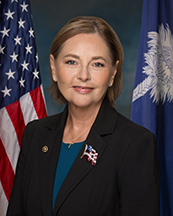
Darline Graham
82% support rate
Top opponent
Rick Scott
19% support rate
Ranked legislators
10
5 support · 5 oppose
Key legislators

Who's moving healthcare in United States

Legislators moving healthcare in United States
Legislator Party Stance Support rate Decisive votes
Darline Graham
Darline Graham Senate
R
Strong +
82% 11
Peter Welch
Peter Welch Senate
D
Strong +
81% 27
Ron Wyden
Ron Wyden Senate
D
Support
78% 27
Alex Padilla
Alex Padilla Senate
D
Support
77% 26
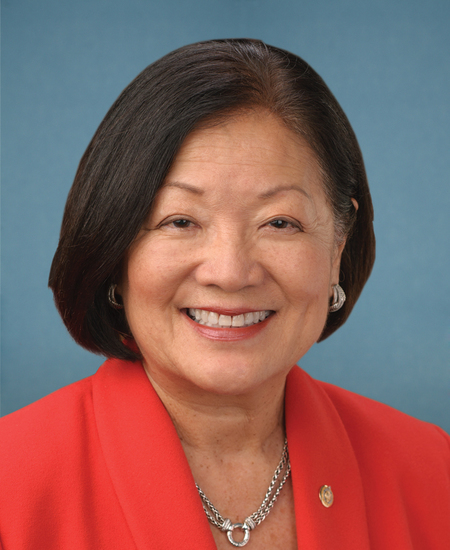
Mazie K. Hirono
Mazie K. Hirono Senate
D
Support
74% 27
Rick Scott
Rick Scott Senate
R
Strong −
19% 27
Ashley Moody
Ashley Moody Senate
R
Oppose
22% 27
Rand Paul
Rand Paul Senate
R
Oppose
22% 27
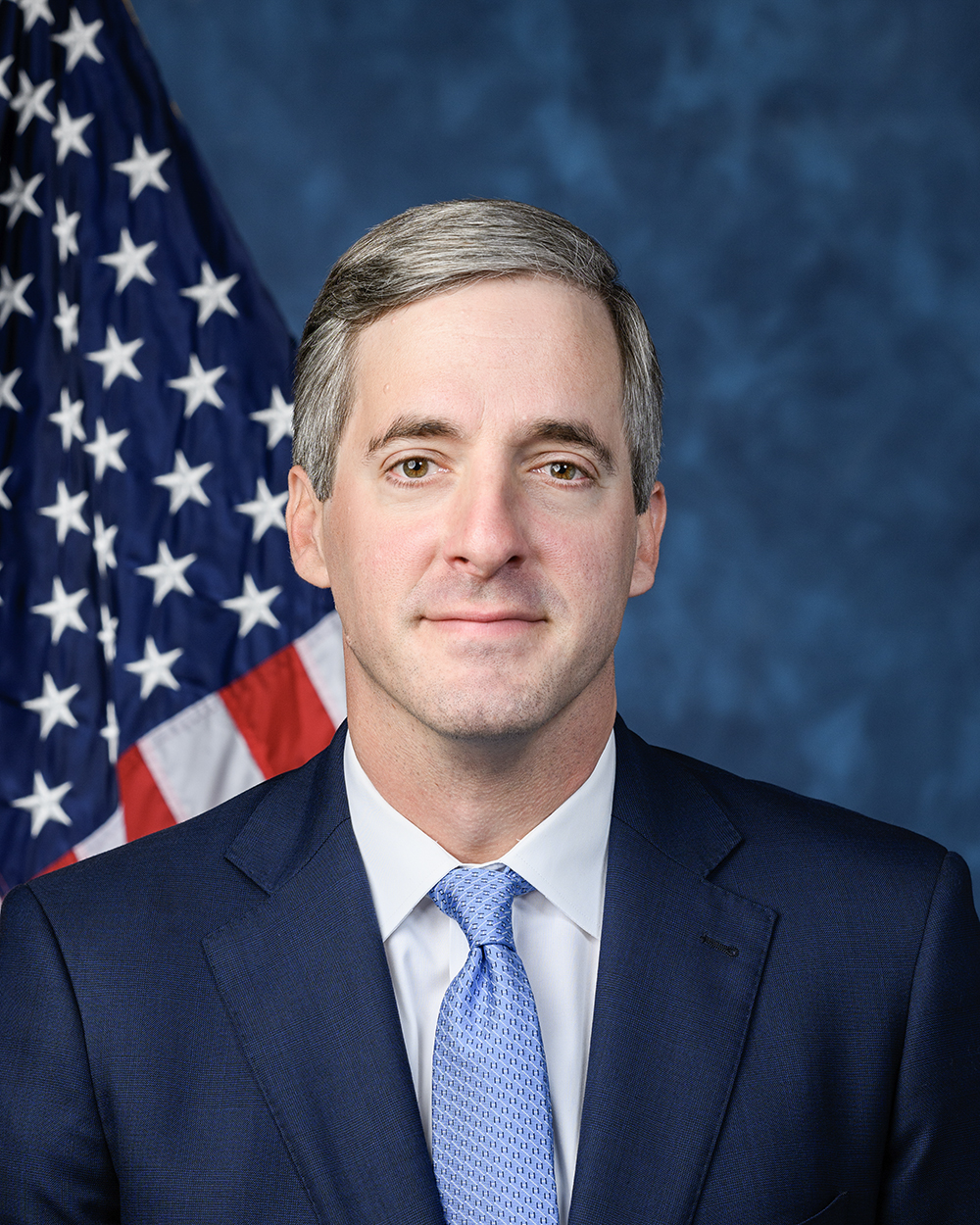
Brad Knott
Brad Knott House · District 13
R
Oppose
28% 18
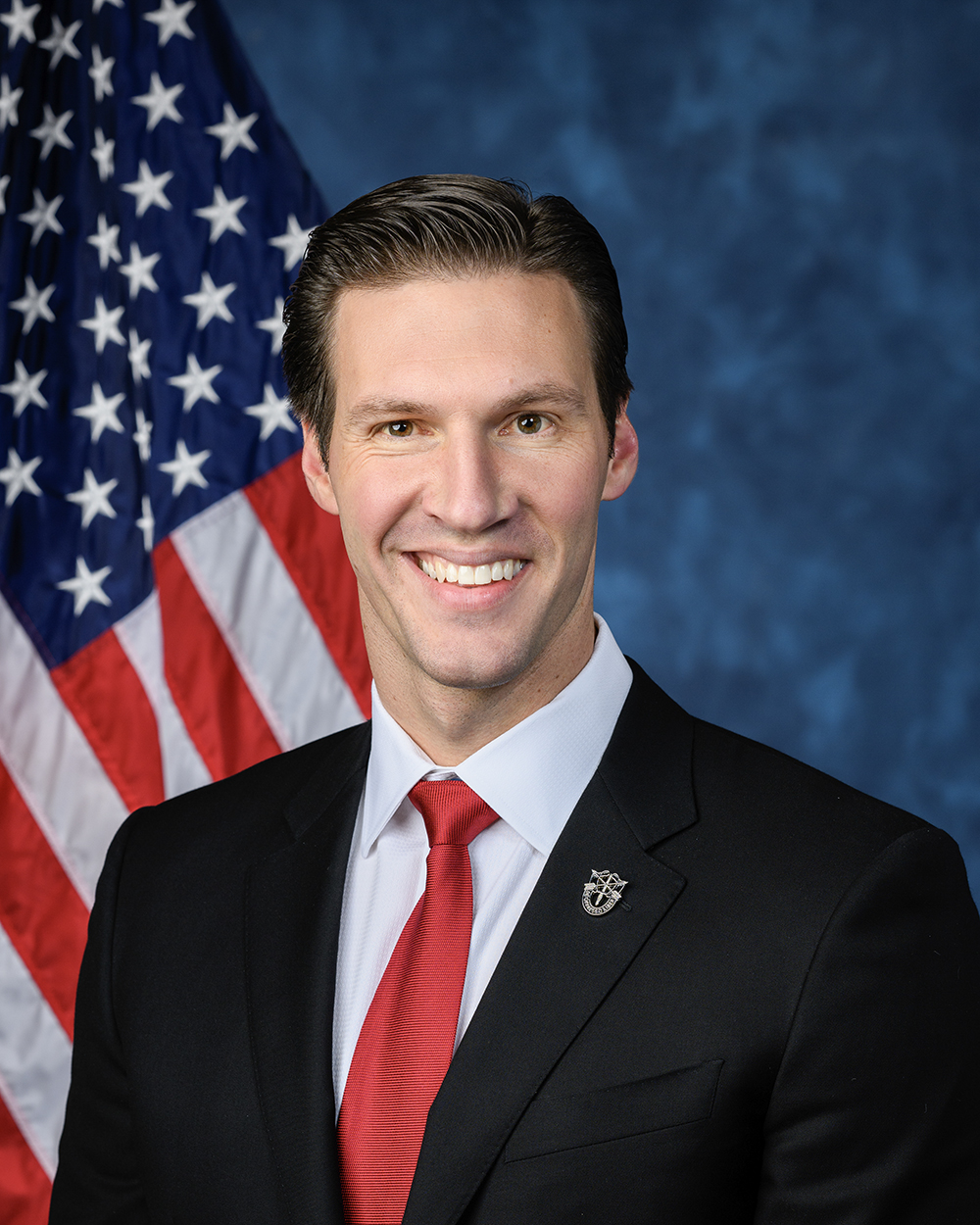
Pat Harrigan
Pat Harrigan House · District 10
R
Oppose
28% 18
Showing 1,291–1,300 of 3,150 bills

All healthcare bills

in committee · United States · House Mar 21, 2025

HR 2251: Protecting Individuals with Down Syndrome Act

This bill prohibits doctors from performing abortions based solely on a Down syndrome diagnosis. It requires providers to ask patients about such diagnoses before an abortion and inform them of the ban. Violations could result in criminal penalties (up to 5 years in prison) or civil lawsuits seeking damages for the patient or family. The law applies to all abortions performed in the U.S. or transported across state lines for this specific purpose. It does not restrict other abortion procedures or create a new right to abortion.
Sub-Topics Women's Health
in committee · United States · House Feb 11, 2025

HR 1197: PREEMIE Reauthorization Act of 2025

The PREEMIE Reauthorization Act of 2025 extends federal research funding for preterm birth prevention and care through fiscal years 2025-2029, replacing the prior 2019-2023 period. It requires the HHS Secretary to establish an interagency working group within 18 months and mandates a National Academies study on preterm birth costs, risk factors, and prevention strategies. The study must assess neonatal intensive care costs, long-term family expenses, and opportunities for early detection and support. It also analyzes targeted research for at-risk pregnancies, state program best practices, and precision medicine approaches starting in pregnancy. This bill directly affects preterm infants, their families, and federal health agencies through these research and coordination mechanisms.
Sub-Topics Children's Health
in committee · United States · Senate Mar 25, 2025

S 1100: Nutritious SNAP Act of 2025

The Nutritious SNAP Act of 2025 changes SNAP rules to prevent benefits from being used to buy sugary drinks and certain snack foods. It amends the definition of "food" to exclude nonalcoholic beverages (other than water, cow's milk, milk substitutes, or 100% juice) and specific snack/dessert items listed in a 2018 USDA guidance document. The bill also allows states to request waivers prohibiting SNAP purchases of foods they determine to be unhealthy. This directly affects SNAP participants by restricting eligible items and gives states authority to implement local nutrition restrictions.
in committee · United States · House Feb 7, 2025

HR 1141: Gambling Addiction Recovery, Investment, and Treatment Act

HR 1141 establishes federal funding to address gambling addiction through grants for states and research. It allocates 37.5% of annual gambling tax revenue (from IRS Section 4401) to states for treatment programs, using the same formula as existing substance abuse grants, and directs 12.5% to fund gambling addiction research via the National Institute on Drug Abuse. The bill requires states to apply for grants, with unclaimed funds redistributed proportionally, and mandates a 3-year report on program effectiveness to Congress. This directly affects states receiving funds and individuals seeking gambling addiction treatment or research services. The law authorizes funding for fiscal years 2025-2034.
in committee · United States · House Aug 15, 2025

HR 4981: Stamp Out Lyme Disease Act

This bill creates a special postage stamp that allows the public to voluntarily contribute to Lyme disease research. All money from stamp sales will go directly to the National Institute of Allergy and Infectious Diseases (NIAID) at the NIH, with proceeds specifically designated for Lyme disease and tick-borne illness research. The funds cannot be used to offset other NIH research funding, and the stamp would be available for at least six years after the law takes effect. It directly affects the public (through voluntary purchases) and NIAID (as the recipient of dedicated research funding).
in committee · United States · House Apr 8, 2025

HR 2744: Medicare Enrollment Protection Act of 2025

Medicare Enrollment Protection Act of 2025 This bill provides for a special enrollment period for Medicare medical benefits for individuals who are enrolled in COBRA continuation coverage at the time they qualify for Medicare. The special enrollment period applies during each month of COBRA coverage and the three-month period after coverage ends; individuals may enroll during the special enrollment period once during their lifetime.
Sub-Topics Medicare
passed · United States · House Feb 3, 2026

HR 658: To amend title 38, United States Code, to establish qualifications for the appointment of a person as a marriage and family therapist, qualified to provide clinical supervision, in the Veterans Health Administration.

HR 658 amends veterans' healthcare law to set specific qualifications for marriage and family therapists working in the Veterans Health Administration who provide clinical supervision. It requires therapists to meet existing qualifications (subparagraph A) and either hold state authorization for clinical supervision in their state or be designated as an approved supervisor by the American Association for Marriage and Family Therapy (AAMFT). This directly affects therapists seeking VA appointments who wish to supervise other clinicians. The bill creates two clear pathways for eligibility, replacing previous unspecified requirements. The change applies only to VA healthcare settings, not private practice.
in committee · United States · House Sep 18, 2025

HR 5482: Prevent Youth Suicide Act

HR 5482, the Prevent Youth Suicide Act, requires schools serving grades 6-12 that receive federal education funds to implement evidence-based suicide prevention and postvention protocols within 210 days of the law's enactment. Specifically, schools must develop staff training to identify suicide risks and connect students to mental health resources, establish referral systems, conduct anti-stigma awareness campaigns, and create postvention plans for after a suicide occurs. The bill mandates biennial staff training on trauma-informed care and requires the Secretary of Education to provide technical assistance and monitor compliance. These requirements directly affect all public and private K-12 schools participating in federal education programs under applicable law.
in committee · United States · House Jul 22, 2025

HR 4582: To amend the Family and Medical Leave Act of 1993 and title 5, United States Code, to clarify that organ donation surgery qualifies as a serious health condition.

This bill amends the Family and Medical Leave Act (FMLA) and federal employee leave rules to clarify that recovery from organ donation surgery qualifies as a "serious health condition." It directly affects private-sector workers covered by the FMLA and federal civil service employees. The key change adds "including recovery from surgery related to organ donation" to the definitions of serious health conditions in both the FMLA and federal leave statutes. This ensures eligible employees can use their existing family and medical leave benefits to recover after donating an organ, without requiring new leave entitlements.
in committee · United States · House Dec 4, 2025

HR 3170: Improving Access to Workers’ Compensation for Injured Federal Workers Act of 2025

This bill expands eligibility for workers' compensation medical care under the Federal Employees' Compensation Act by adding nurse practitioners and physician assistants as covered providers. It directly affects injured federal workers who can now receive care from these professionals within their state-authorized scope of practice. Key provisions redefine "other eligible provider" in the law and update related sections to replace "physician" with "physician or other eligible provider" throughout the statute. The bill requires the Secretary of Labor to issue final regulations within six months of enactment to implement these changes.
Showing 1,291 to 1,300 of 3,150 bills