Issue · Healthcare

Healthcare

Every healthcare bill, vote, and legislator stance in United States, automatically classified by Maddy, our AI policy reader.

Total bills
3,150
119th Congress
Top supporter
Darline Graham
82% support rate
Top opponent
Rick Scott
19% support rate
Ranked legislators
10
5 support · 5 oppose
Key legislators

Who's moving healthcare in United States

Legislators moving healthcare in United States
Legislator Party Stance Support rate Decisive votes
Darline Graham
Darline Graham Senate
R
Strong +
82% 11
Peter Welch
Peter Welch Senate
D
Strong +
81% 27
Ron Wyden
Ron Wyden Senate
D
Support
78% 27
Alex Padilla
Alex Padilla Senate
D
Support
77% 26
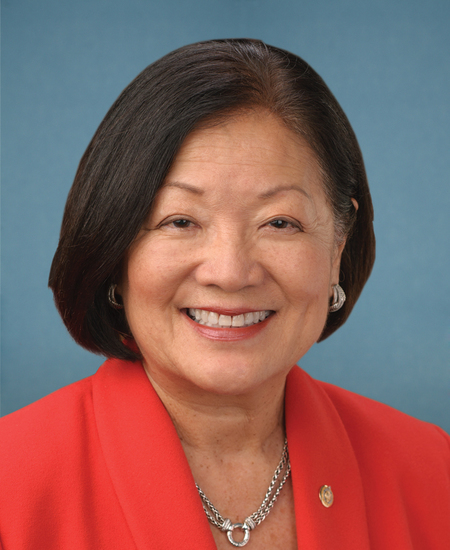
Mazie K. Hirono
Mazie K. Hirono Senate
D
Support
74% 27
Rick Scott
Rick Scott Senate
R
Strong −
19% 27
Ashley Moody
Ashley Moody Senate
R
Oppose
22% 27
Rand Paul
Rand Paul Senate
R
Oppose
22% 27
Brad Knott
Brad Knott House · District 13
R
Oppose
28% 18
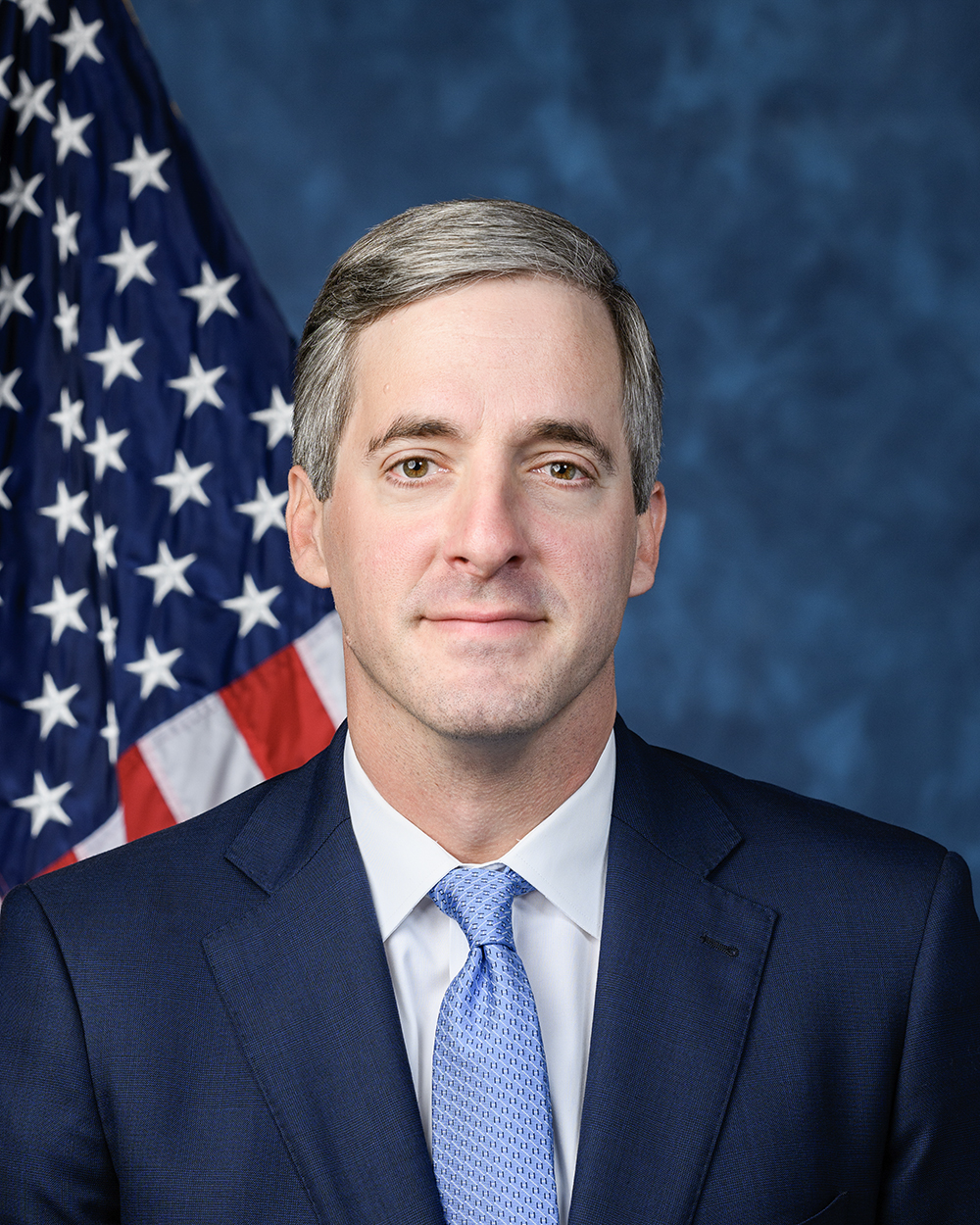
Pat Harrigan
Pat Harrigan House · District 10
R
Oppose
28% 18
Showing 1,271–1,280 of 3,150 bills

All healthcare bills

in committee · United States · House Jul 15, 2025

HR 4388: PREP Repeal Act

HR 4388, the PREP Repeal Act, removes legal immunity for pharmaceutical companies that developed or distributed pandemic-related products (like vaccines or treatments) during public health emergencies. It repeals key sections of the PREP Act that previously shielded manufacturers from lawsuits over injuries or harm caused by these products. The bill ensures people can still pursue civil lawsuits under existing federal or state law for harm from drugs, devices, biological products, or pandemic countermeasures. This change applies only to cases pending or filed after the law's enactment, preserving current legal rights while ending the broad liability protection.
Sub-Topics Public Health
in committee · United States · House Sep 9, 2025

HRES 684: Expressing support for the designation of September 9, 2025, as "National Firearm Suicide Prevention Day" to educate about the growing firearm suicide crisis in the United States and promote the importance of storing firearms safely and securely as an essential component of suicide prevention.

HRES 684 is a non-binding House resolution designating September 9, 2025, as "National Firearm Suicide Prevention Day." It aims to raise public awareness about firearm suicide statistics (including that firearms were used in 55% of U.S. suicides in 2023) and promote safe firearm storage as a key suicide prevention strategy. The resolution encourages health professionals to discuss safe storage with patients and supports existing awareness efforts led by organizations like Brady and End Family Fire. It directly affects the public and healthcare providers by emphasizing evidence-based prevention practices, not by creating new laws.
in committee · United States · House Feb 9, 2026

HR 7434: AI Grand Challenges Act of 2026

The AI Grand Challenges Act of 2026 establishes a National Science Foundation program to award cash prizes for solving specific, measurable AI research challenges across 15 priority areas like national security, health, energy, and cancer breakthroughs. It requires the NSF Director to create prize competitions with minimum $1 million awards per winner (including a mandatory $10 million cancer-focused competition), targeting U.S.-based entities or citizens. Key mechanisms include publishing clear problem statements and success metrics on Challenge.gov, consulting public and federal agencies on challenge selection, and reporting annual results to Congress. The bill directly affects U.S. researchers, companies, and organizations developing AI solutions for federally identified challenges.
in committee · United States · House Jul 23, 2025

HR 4744: Community Mental Wellness and Resilience Act of 2025

HR 4744 establishes a federal grant program to fund community-based mental wellness and resilience initiatives. It provides planning grants (up to $250,000) and program grants (up to $500,000 annually for four years) to local coalitions - groups formed by representatives from at least five community sectors like schools, health services, faith organizations, and businesses. These coalitions must use a public health approach to identify community strengths and risks, build social connections, and implement evidence-based programs addressing mental wellness for all ages. The bill authorizes $36 million over five years (2025-2029), with 20% reserved for rural areas, and requires grantees to develop strategic plans and report on outcomes by 2030.
in committee · United States · House Jan 3, 2025

HR 25: FairTax Act of 2025

The FairTax Act of 2025 would repeal federal income tax, payroll taxes (Social Security and Medicare), and estate and gift taxes, replacing them with a national sales tax. It would impose a 23% tax on the final consumption of goods and services in 2027, with rates adjusting based on federal tax rates. The bill includes a monthly rebate for qualifying families based on the poverty level to offset the tax burden on lower-income households. It would establish a cooperative tax administration system between federal and state governments, with states collecting the tax under certain conditions. The tax would sunset if the 16th Amendment (which allows for income taxes) is not repealed within 7 years of enactment.
in committee · United States · House Apr 2, 2026

HR 785: Representing our Seniors at VA Act of 2026

Representing our Seniors at VA Act of 2025 This bill expands the membership of the Geriatrics and Gerontology Advisory Committee within the Veterans Health Administration by requiring the addition of one representative from the National Association of State Veterans Homes who holds a professional license in nursing home administration. Additionally, the committee must consult with the National Association of Veterans State Homes with respect to matters concerning the association.
in committee · United States · House Jul 23, 2025

HR 4627: To amend the Foreign Assistance Act of 1961 to modify treatment activities for assistance to combat HIV/AIDS.

HR 4627 amends the Foreign Assistance Act of 1961 to update U.S. foreign aid programs combating HIV/AIDS. It specifically adds funding for HIV pre-exposure prophylaxis (PrEP) medications as a covered activity and designates all HIV prevention efforts - including those targeting at-risk populations identified by the World Health Organization - as "core life-saving humanitarian assistance." This change ensures such prevention activities receive priority funding under U.S. foreign aid programs. The bill directly affects how U.S. government agencies allocate resources for global HIV/AIDS prevention initiatives.
in committee · United States · House Apr 8, 2025

HR 2711: Invest to Protect Act of 2025

The Invest to Protect Act of 2025 establishes a $50 million annual grant program (2027-2031) for local governments employing fewer than 175 law enforcement officers, including counties, municipalities, and Tribal governments. Grants fund de-escalation training, victim-centered domestic violence response training, evidence-based safety training for scenarios like mental health crises or active shooters, recruitment/retention bonuses (capped at 20% of salary), and mental health resources for officers. Recipients must report on program use, disclose bonus amounts publicly, and comply with audits to prevent misuse of funds. The bill aims to improve officer safety and community relations through targeted support for smaller law enforcement agencies.
Sub-Topics Domestic Violence Law Enforcement Mental Health Tags Public Safety
in committee · United States · House Jan 22, 2025

HR 610: Close the Medigap Act of 2025

The Close the Medigap Act of 2025 would prohibit Medigap insurance issuers from denying coverage or charging higher premiums based on health status, pre-existing conditions, genetic information, or other factors. It requires insurers to spend a minimum percentage of premiums on health care claims and improves the Medicare Plan Finder website to provide clearer information about coverage options, out-of-pocket costs, and guaranteed issue requirements. The bill applies to Medigap policies effective January 1, 2026, with full implementation by 2031, and requires Medigap brokers to disclose payments they receive from insurers. These changes would directly affect Medicare beneficiaries, particularly those with pre-existing conditions who have historically faced barriers to obtaining affordable supplemental coverage.
Sub-Topics Insurance Medicare
in committee · United States · House Feb 11, 2025

HR 219: Improving Menopause Care for Veterans Act of 2025

This bill requires the Comptroller General to study and report on menopause care provided by the Department of Veterans Affairs (VA) to women veterans experiencing perimenopause, menopause, or genitourinary syndrome of menopause. The study will examine current VA protocols for diagnosis, treatment, provider training, veteran access to care, outreach efforts, and quality of care, including veteran feedback. The VA Secretary must then develop a strategic plan within six months of the report's release to improve menopause care access and quality for women veterans under VA healthcare programs.
Showing 1,271 to 1,280 of 3,150 bills