Issue · Healthcare

Healthcare

Every healthcare bill, vote, and legislator stance in United States, automatically classified by Maddy, our AI policy reader.

Total bills
3,150
119th Congress
Top supporter
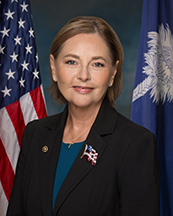
Darline Graham
82% support rate
Top opponent
Rick Scott
19% support rate
Ranked legislators
10
5 support · 5 oppose
Key legislators

Who's moving healthcare in United States

Legislators moving healthcare in United States
Legislator Party Stance Support rate Decisive votes
Darline Graham
Darline Graham Senate
R
Strong +
82% 11
Peter Welch
Peter Welch Senate
D
Strong +
81% 27
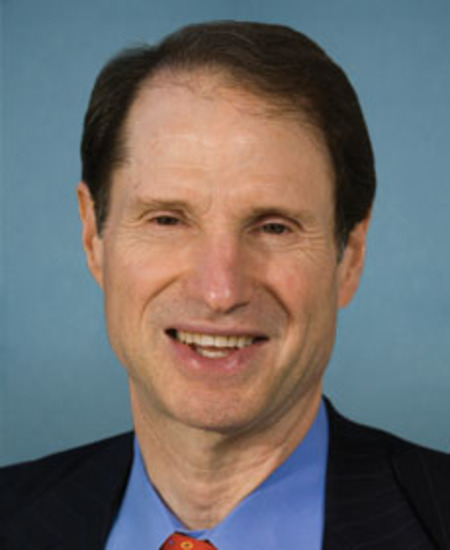
Ron Wyden
Ron Wyden Senate
D
Support
78% 27
Alex Padilla
Alex Padilla Senate
D
Support
77% 26
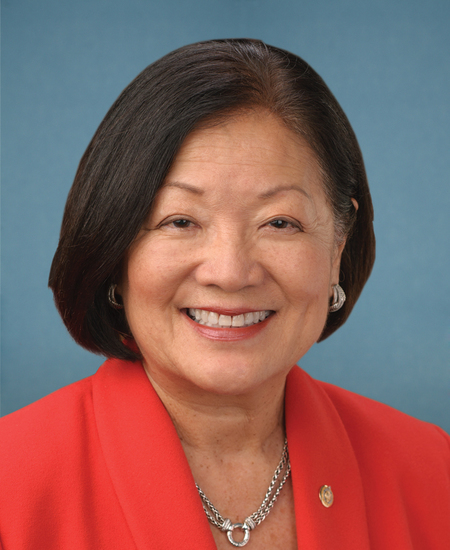
Mazie K. Hirono
Mazie K. Hirono Senate
D
Support
74% 27
Rick Scott
Rick Scott Senate
R
Strong −
19% 27
Ashley Moody
Ashley Moody Senate
R
Oppose
22% 27
Rand Paul
Rand Paul Senate
R
Oppose
22% 27
Brad Knott
Brad Knott House · District 13
R
Oppose
28% 18
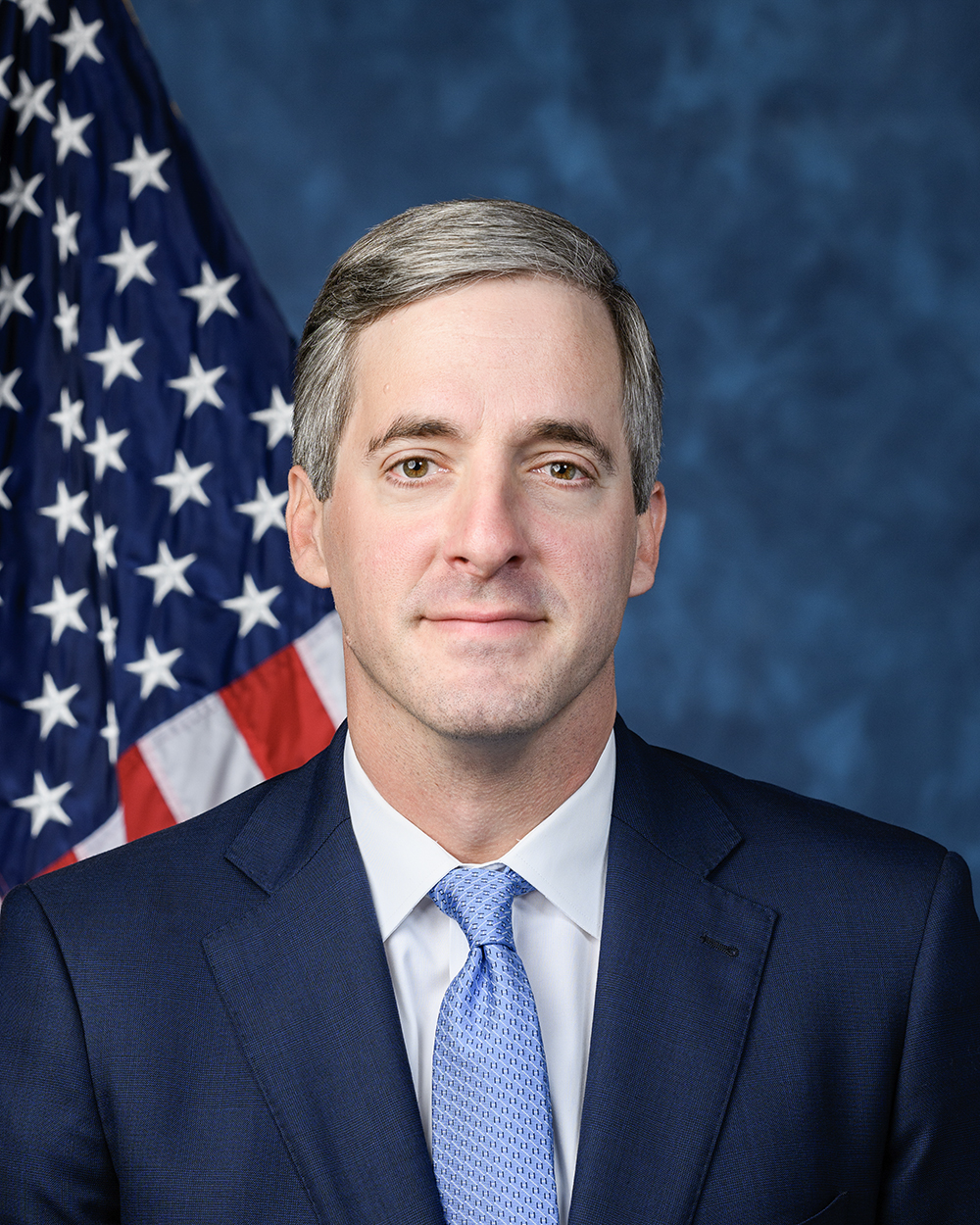
Pat Harrigan
Pat Harrigan House · District 10
R
Oppose
28% 18
Showing 1,061–1,070 of 3,150 bills

All healthcare bills

in committee · United States · House May 7, 2025

HR 3233: Healthy Babies Act of 2025

HR 3233, the Healthy Babies Act of 2025, amends the Child Nutrition Act to require the WIC program to add infant food combinations and dinners to its list of approved supplemental foods within one year of the bill's enactment. This change directly affects WIC participants, including low-income pregnant women, new mothers, and infants, by expanding the types of infant food available through the program. The key provision mandates the Secretary of Agriculture to update WIC regulations to include these specific food items, ensuring they meet nutritional standards. The bill does not create new funding but modifies existing program offerings under WIC.
Sub-Topics Children's Health
in committee · United States · Senate Jun 10, 2025

S 2003: Strengthening Benefit Plans Act of 2025

This bill allows employers with pension plans to transfer surplus health funds from retiree health accounts to support active employee benefits. Specifically, it permits pension plans to move "excess health assets" (defined as funds exceeding 125% of retiree benefit liabilities) to active employee plans without triggering tax penalties or violating pension rules. Employers must follow strict annual transfer limits and ensure active employee benefits aren't reduced for five years after the transfer. The law also enables transferring surplus assets from defined benefit pension plans to defined contribution plans under similar safeguards.
Sub-Topics Retirement Benefits
in committee · United States · House Dec 9, 2025

HR 6543: Health Care Worker and First Responder Fairness Act

This bill exempts certain wages earned by health care workers and first responders during the COVID-19 pandemic (January 2020-May 2023) from Social Security’s earnings test, ensuring these workers receive full retirement benefits without reduction. It also creates a future framework: during federally declared public health emergencies with healthcare worker shortages, the Social Security Commissioner may issue waivers to exclude such wages from the earnings test. The bill defines "health care professional" and "first responder" using existing law and requires annual reporting on issued waivers. It directly affects workers in these fields who earned wages during qualifying periods, removing a barrier to full Social Security benefits. The policy change is purely procedural, adjusting how Social Security calculates earnings for these specific workers.
Sub-Topics Public Health
in committee · United States · Senate Jun 4, 2025

S 1957: No Place for LGBTQ+ Hate Act

S 1957, the "No Place for LGBTQ+ Hate Act," repeals five specific executive orders that the bill identifies as harming LGBTQI+ rights. It prohibits federal funding for implementing or enforcing those orders, which include policies restricting transgender healthcare, military service, school sports participation, and requiring schools to deny transgender identities. The bill directly affects LGBTQI+ individuals by reversing discriminatory executive actions in key areas like employment, education, healthcare, and military service. It does not create new policies but formally nullifies existing executive actions through legislative repeal and funding restrictions.
in committee · United States · House Feb 18, 2025

HR 1409: College Thriving Act

HR 1409, the College Thriving Act, authorizes $50 million in grants to fund "skills-for-success" courses for first-year college students at eligible institutions. The bill requires participating colleges to develop non-graded, low-student-to-teacher courses covering mental wellbeing, time management, conflict resolution, and campus resource connections - available to all first-year students at the start of their enrollment. Grants are awarded competitively, with priority to schools where at least half of students qualify for Pell Grants, and must be used over a 5-year period across four phases: course development (year 1), pilot testing (year 2), and full implementation with ongoing evaluation (years 3-5). The program mandates annual reporting on course implementation and outcomes to the Department of Education.
in committee · United States · House Sep 26, 2025

HR 5573: Combatting Fentanyl Poisonings Act of 2025

HR 5573, the Combatting Fentanyl Poisonings Act of 2025, creates three federal grant programs to address fentanyl-related harms. It funds state/local law enforcement to target illegal social media sales of controlled substances (including fentanyl-laced counterfeit pills) and provides education for schools and parents about fentanyl risks. Nonprofits receive grants up to $50,000 to run public awareness campaigns, produce educational materials, and offer counseling for families affected by fentanyl deaths - though funds cannot cover most harm reduction supplies (only naloxone is permitted). The bill allocates $10 million for law enforcement programs, $3 million for awareness grants, and $2 million for officer safety equipment like fentanyl test strips and naloxone training.
in committee · United States · House Sep 11, 2025

HR 5306: Gun Suicide Prevention Act of 2025

HR 5306, the Gun Suicide Prevention Act of 2025, requires firearm manufacturers and retailers to attach a specific label to all firearms. The label must be clearly visible in both English and Spanish, include the National Suicide Prevention Lifeline phone number (988), and feature a yellow triangle with an exclamation mark before the suicide prevention message. This applies to all firearms sold or offered for sale, directly affecting manufacturers and retailers under the Consumer Product Safety Act.
Sub-Topics Mental Health
in committee · United States · House Jan 22, 2026

HR 6858: Veteran Suicide Prevention Act

The Veteran Suicide Prevention Act requires the Department of Veterans Affairs (VA) to conduct a comprehensive review of all veterans who died by suicide during the five years before the bill's enactment. The review must analyze demographics, medication history (including black box warnings and psychotropic drugs), prescribing patterns, combat trauma, and facility-specific suicide rates. The VA must submit a public report to Congress within 30 days of completing the review, detailing findings and recommendations to improve veteran safety. This applies to all veterans who received VA care during the relevant five-year period. The law aims to identify systemic patterns and inform future suicide prevention efforts.
in committee · United States · Senate Mar 26, 2025

S 1147: Defining Male and Female Act of 2025

This bill defines biological sex for federal law by amending Title 1 of the U.S. Code. It specifies that "female" means a person biologically characterized by egg-producing systems at conception, "male" means sperm-producing systems at conception, and "gender identity" is not recognized as replacing biological sex in federal contexts. The law directly affects all federal agencies, departments, and laws requiring interpretation of terms like "sex," "female," or "male" by mandating these biological definitions. It does not create new programs or funding but changes how federal agencies must interpret existing laws and regulations.
in committee · United States · House Feb 21, 2025

HR 1497: NIH Reform Act

HR 1497 reorganizes three National Institutes of Health (NIH) institutes by splitting the current "National Institute of Allergy and Infectious Diseases" into three separate entities: the National Institute of Allergic Diseases, the National Institute of Infectious Diseases, and the National Institute of Immunologic Diseases. It creates new director positions for each institute with 5-year terms and updates all federal references to the old institute name. The bill affects NIH internal structure and leadership appointments but does not change research programs, funding, or public services. The transition requires NIH leadership to shift responsibilities from the old institute to the new ones until directors are appointed.
Showing 1,061 to 1,070 of 3,150 bills