Issue · Healthcare

Healthcare

Every healthcare bill, vote, and legislator stance in United States, automatically classified by Maddy, our AI policy reader.

Total bills
3,150
119th Congress
Top supporter
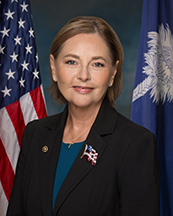
Darline Graham
82% support rate
Top opponent
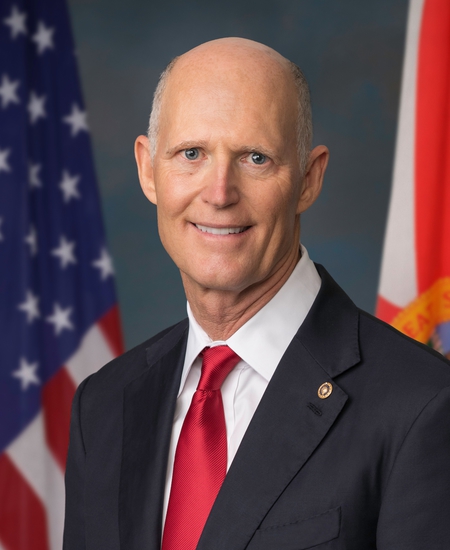
Rick Scott
19% support rate
Ranked legislators
10
5 support · 5 oppose
Key legislators

Who's moving healthcare in United States

Legislators moving healthcare in United States
Legislator Party Stance Support rate Decisive votes
Darline Graham
Darline Graham Senate
R
Strong +
82% 11
Peter Welch
Peter Welch Senate
D
Strong +
81% 27
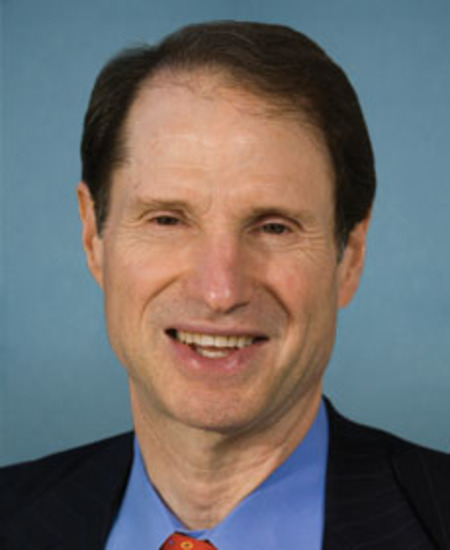
Ron Wyden
Ron Wyden Senate
D
Support
78% 27
Alex Padilla
Alex Padilla Senate
D
Support
77% 26
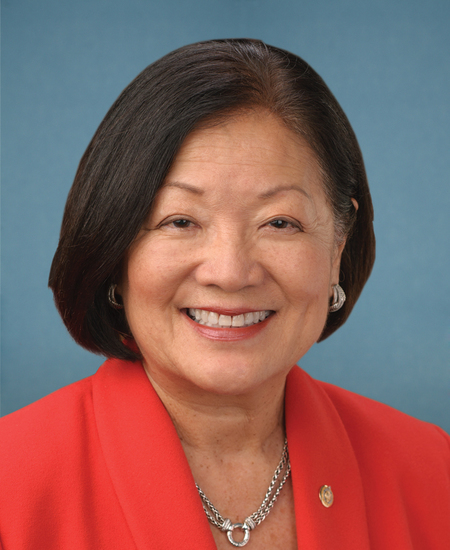
Mazie K. Hirono
Mazie K. Hirono Senate
D
Support
74% 27
Rick Scott
Rick Scott Senate
R
Strong −
19% 27
Ashley Moody
Ashley Moody Senate
R
Oppose
22% 27
Rand Paul
Rand Paul Senate
R
Oppose
22% 27
Brad Knott
Brad Knott House · District 13
R
Oppose
28% 18
Pat Harrigan
Pat Harrigan House · District 10
R
Oppose
28% 18
Showing 1,051–1,060 of 3,150 bills

All healthcare bills

in committee · United States · House Dec 10, 2025

HR 6572: Launching X–Labs for Breakthrough Science Act

HR 6572 establishes the X-Labs Initiative at the National Institutes of Health (NIH), providing long-term funding to eligible research institutions for breakthrough biomedical research. It creates four funding categories: XL01 for foundational science ($5M-$50M/year for 7 years), XL02 for developing research tools ($5M-$50M/year), XL03 for regranting to high-potential projects ($5M-$50M/year), and XL04 for new institution planning ($1M-$5M for 1-3 years). The bill directly affects nonprofits, universities, and for-profit entities with research subsidiaries, requiring them to use funds exclusively for NIH-supported research without competing for other federal research grants during the award period. Key provisions include strict requirements for XL03 regrants to support projects unlikely to secure traditional NIH funding, and annual reporting to Congress on program progress and impact.
in committee · United States · House Sep 10, 2025

HR 5259: Permanent OPTN Fee Authority Act

This bill authorizes the permanent collection of registration fees from organizations in the Organ Procurement and Transplantation Network (OPTN), such as transplant centers and organ procurement organizations, for each transplant candidate they list. The fees must be used exclusively to support OPTN operations and cannot be diverted to other purposes. The bill requires the Secretary to publicly post quarterly fee amounts and how they are spent on the OPTN website, and mandates a GAO review within two years to assess fee usage. It does not change organ allocation or transplant processes, only the funding mechanism for the network itself.
in committee · United States · House Feb 26, 2025

HR 1610: FIRE Cancer Act of 2025

HR 1610, the FIRE Cancer Act of 2025, establishes cancer prevention programs for firefighters, directly affecting firefighting personnel. It authorizes $700 million in grants to fund multi-cancer early detection testing or other preventative tests, with a limit of $1,750 per test. The bill also creates a voluntary program allowing firefighters to share anonymized test results with the CDC and FEMA to identify cancer trends, while protecting their personal information. These provisions aim to proactively address cancer risks linked to firefighting exposure through testing access and research.
in committee · United States · House Sep 18, 2025

HR 5480: Make America's Youth Healthy Again Act of 2025

The Make America's Youth Healthy Again Act of 2025 establishes a new President’s Council on Sports, Fitness, and Nutrition to advise the President on youth health initiatives. The Council, appointed by the President with up to 30 members serving two-year terms, will recommend strategies to reinstate the Presidential Fitness Test, develop school-based physical education programs, expand community sports access, and address childhood obesity as a national security concern. Key provisions include advising on fitness goals for American youth, promoting partnerships with sports organizations, and emphasizing active lifestyles and nutrition. The Council will terminate two years after enactment unless extended by the President. This bill directly affects federal policy coordination for youth fitness programs but does not create new funding or mandate changes to existing laws.
Sub-Topics Student Health
in committee · United States · Senate Apr 9, 2025

SRES 166: A resolution demanding the immediate reinstatement of all veteran Federal employees involuntarily removed or otherwise dismissed without cause since January 20, 2025.

This Senate resolution (SRES 166) demands the immediate reinstatement of veteran federal employees who were dismissed without cause since January 20, 2025. It directly affects veterans employed across the federal government, including those in critical roles like Veterans Crisis Line workers, following mass dismissals announced by the Department of Veterans Affairs. The resolution requires affected employees to be reinstated with full back pay and clear communication about their positions and next steps. As a non-binding Senate resolution, it expresses the chamber’s position but does not create new law.
in committee · United States · House Mar 6, 2025

HR 961: Veterans Access to Direct Primary Care Act

HR 961, the Veterans Access to Direct Primary Care Act, establishes a 5-year pilot program allowing eligible veterans enrolled in VA care to use health savings accounts for primary care services from non-VA providers. Eligible veterans would receive annual deposits into a savings account to cover direct primary care fees, preventive screenings, and medications, but could not use VA care for services included in the arrangement during the program. The program, managed by the VA’s Center for Innovation, requires fraud prevention measures and annual reports to Congress. It affects VA-enrolled veterans who opt into the pilot, with funding drawn from existing VA budgets and no new appropriations. The pilot terminates after five years, with no permanent change to VA care access.
in committee · United States · House Aug 1, 2025

HR 4844: Farmworker Smoke and Excessive Heat Protection Act of 2025

HR 4844 requires agricultural employers to protect farmworkers from wildfire smoke and excessive heat by providing certified respirators (like N95 masks) and cooling facilities when air quality or heat levels become dangerous. It mandates training on proper equipment use, health risks, and mandatory 10-minute rest breaks every two hours in shaded or cooler areas during hazardous conditions. The law applies directly to farmworkers and their employers in agricultural operations across the U.S. The standard will be enforced under existing OSHA rules, with the Labor Secretary developing final rules within 90 days to ensure protections meet or exceed state standards.
in committee · United States · House Jun 30, 2026

HR 4398: Veteran Burial Timeliness and Death Certificate Accountability Act

HR 4398, the Veteran Burial Timeliness and Death Certificate Accountability Act, requires Veterans Affairs (VA) physicians or nurse practitioners to certify the death of a veteran who dies of natural causes within 48 hours of learning of the death. This directly affects veterans' families, who previously faced delays of up to eight weeks in burial and access to survivor benefits due to slow death certifications. The bill mandates annual reports to Congress on VA compliance with the 48-hour rule, including statistics on delays and their causes. The key change is establishing a strict timeline for death certification to prevent unnecessary delays in honoring veterans' final arrangements.
in committee · United States · Senate Mar 11, 2025

S 957: Honor Our Living Donors Act

S 957, the Honor Our Living Donors Act, amends federal law to protect living organ donors by requiring reimbursement programs to ignore the income of the organ recipient when calculating donor payments. The bill specifically prohibits grant programs from considering the recipient's income when reimbursing donors for eligible costs, ensuring donors aren't disadvantaged based on who receives the organ. It also mandates an annual report by the Secretary of Health and Human Services by December 31 each year, detailing whether funding covered all donor expenses and estimating shortfalls. This bill directly affects living organ donors participating in federal grant programs and the agencies administering those programs.
in committee · United States · Senate Jan 24, 2025

S 243: Radiation Exposure Compensation Reauthorization Act

The Radiation Exposure Compensation Reauthorization Act (S 243) extends and expands the existing Radiation Exposure Compensation Act (RECA) through 2031. It creates new compensation for people exposed to Manhattan Project waste (covering specific ZIP codes in Missouri, Tennessee, Alaska, and Kentucky), increases compensation to $100,000 for leukemia and other specified diseases, and expands eligibility for uranium mining workers. The bill extends the claim filing deadline from 2 to 5 years, allows up to three resubmissions of denied claims, and establishes a grant program to study uranium mining's health impacts. This legislation directly affects individuals who lived downwind of nuclear tests, worked in uranium mining, or were exposed to Manhattan Project waste.
Showing 1,051 to 1,060 of 3,150 bills