Issue · Healthcare

Healthcare

Every healthcare bill, vote, and legislator stance in United States, automatically classified by Maddy, our AI policy reader.

Total bills
3,150
119th Congress
Top supporter
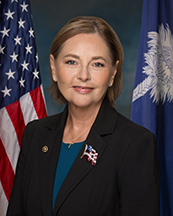
Darline Graham
82% support rate
Top opponent
Rick Scott
19% support rate
Ranked legislators
10
5 support · 5 oppose
Key legislators

Who's moving healthcare in United States

Legislators moving healthcare in United States
Legislator Party Stance Support rate Decisive votes
Darline Graham
Darline Graham Senate
R
Strong +
82% 11
Peter Welch
Peter Welch Senate
D
Strong +
81% 27
Ron Wyden
Ron Wyden Senate
D
Support
78% 27
Alex Padilla
Alex Padilla Senate
D
Support
77% 26
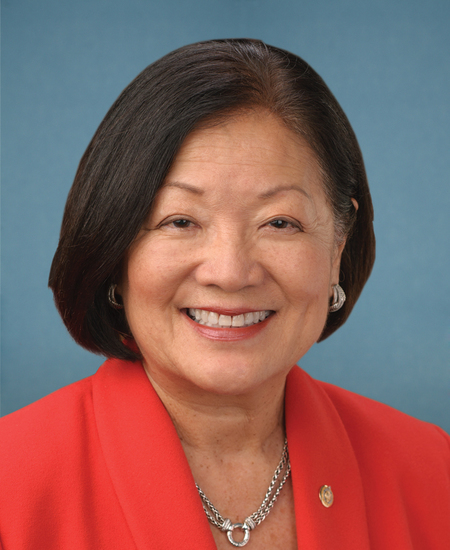
Mazie K. Hirono
Mazie K. Hirono Senate
D
Support
74% 27
Rick Scott
Rick Scott Senate
R
Strong −
19% 27
Ashley Moody
Ashley Moody Senate
R
Oppose
22% 27
Rand Paul
Rand Paul Senate
R
Oppose
22% 27
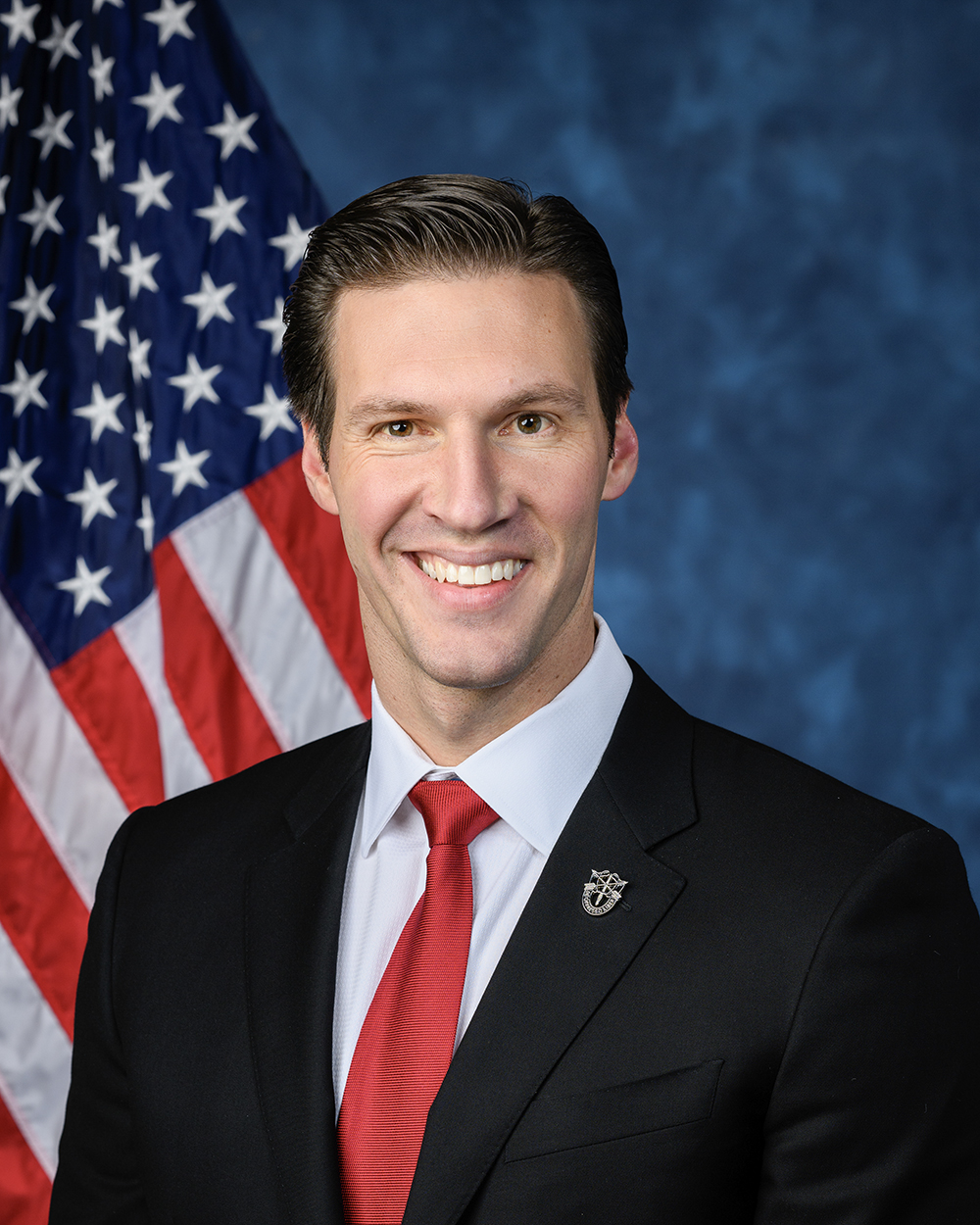
Brad Knott
Brad Knott House · District 13
R
Oppose
28% 18
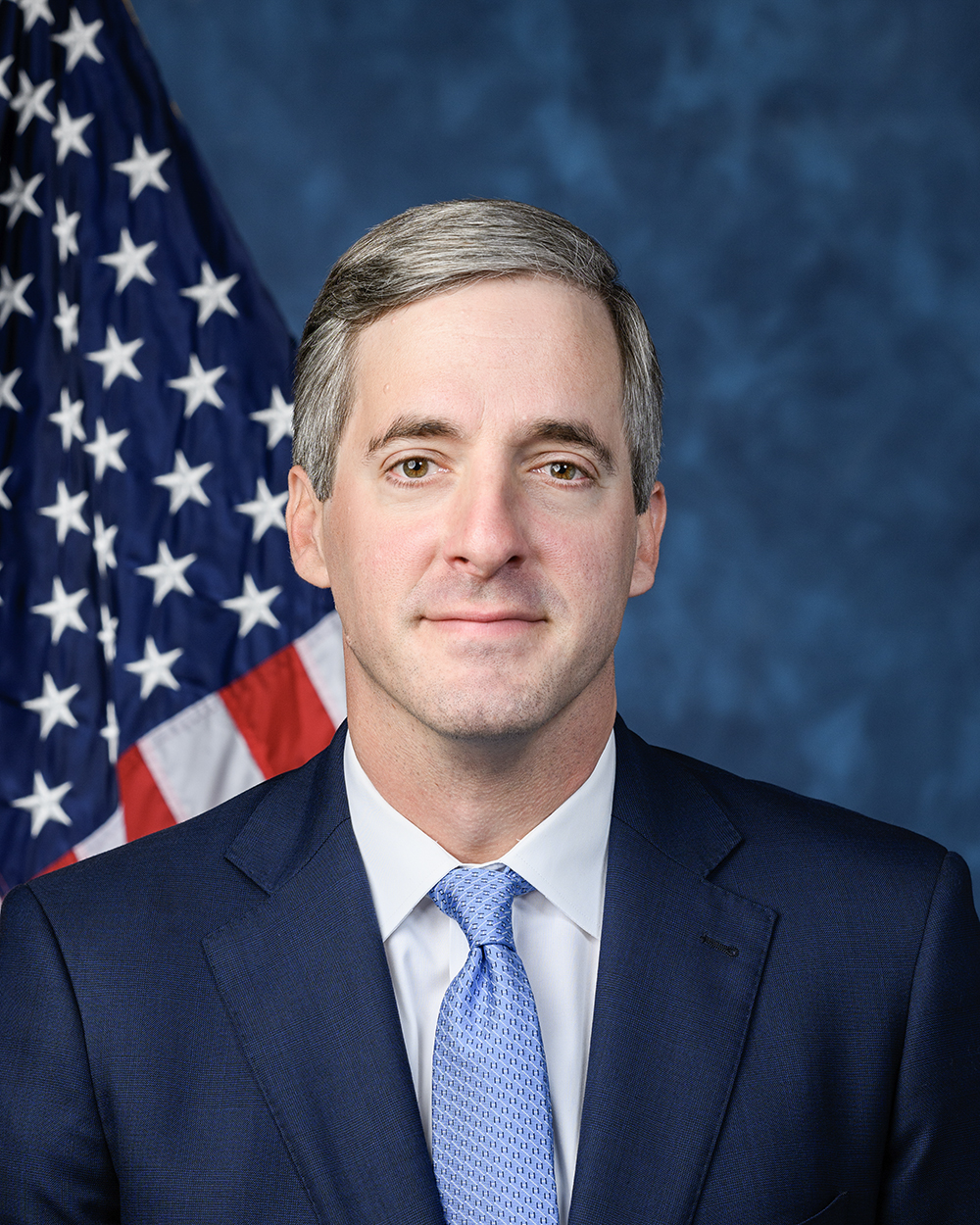
Pat Harrigan
Pat Harrigan House · District 10
R
Oppose
28% 18
Showing 1,071–1,080 of 3,150 bills

All healthcare bills

passed · United States · House Jul 27, 2026

HR 4541: To reauthorize the Young Women’s Breast Health Education and Awareness Requires Learning Young Act of 2009.

HR 4541, the EARLY Act Reauthorization of 2025, extends the funding period for the Young Women’s Breast Health Education and Awareness program. It amends the Public Health Service Act to update the program’s expiration date from 2026 to 2031. The bill directly affects young women aged 15-25 by ensuring continued access to breast health education and awareness resources. The key provision is a simple extension of the existing program’s authorization period, without altering its scope or requirements. This is a procedural reauthorization to maintain current services through 2031.
Sub-Topics Public Health
in committee · United States · Senate Mar 14, 2025

S 1080: Dental Loan Repayment Assistance Act of 2025

This bill exempts certain loan repayments from taxable income for dental school faculty participating in federal or state loan repayment programs under the Public Health Service Act. It directly affects dental educators who receive funding through programs like the Dental Faculty Development and Loan Repayment Program (section 748(a)(2) of the Public Health Service Act). The key provision amends tax law to exclude these repayments from taxable income, reducing financial burden for faculty in participating schools. A separate requirement directs the GAO to report on program participation, including whether recipients remain full-time faculty teaching in dental clinics at schools or community sites.
in committee · United States · House Jul 22, 2025

HR 4583: Living Donor Protection Act of 2025

This bill prohibits life, disability, and long-term care insurers from denying coverage, canceling policies, or increasing premiums based solely on a person's status as a living organ donor. It directly protects living organ donors by preventing insurance discrimination unrelated to actual health risks. The bill also requires the Health and Human Services Secretary to update public educational materials about organ donation benefits, risks, and insurance impacts within six months of enactment. These materials will include information on the new insurance protections established by the bill. The law relies on state insurance regulators for enforcement of the insurance provisions.
Sub-Topics Long-Term Care
in committee · United States · House Mar 27, 2025

HR 1972: START Act of 2025

HR 1972 (START Act of 2025) amends VA referral rules to change when Community Care referrals become valid. It requires that the validity period for VA referrals to non-VA providers begins on the day a veteran has their first appointment with that provider, not the date the referral was issued. This directly affects veterans using the VA's Community Care Program who seek care outside VA facilities. The change aims to align referral validity with actual appointment scheduling, reducing administrative delays.
in committee · United States · House Jan 22, 2025

HR 628: Honor Our Living Donors Act

HR 628, the Honor Our Living Donors Act, amends federal law to protect living organ donors by changing how reimbursement grants operate. It prohibits grant recipients from considering the organ recipient's income when reimbursing donors and removes any expectation that organ recipients pay donors directly. The bill also requires the Secretary to submit an annual report detailing whether grants fully covered all donor expenses and estimating any funding gaps. This directly affects living organ donors participating in federal grant programs under the Public Health Service Act.
Sub-Topics Public Health
in committee · United States · Senate Apr 29, 2026

S 3170: Stuck On Hold Act

This bill requires the Department of Veterans Affairs (VA) to implement an automated system for most VA service phone lines by one year after enactment. The system must inform callers of their expected wait time and offer a callback if the wait exceeds 10 minutes. The VA Secretary must also issue guidance aimed at reducing the average caller wait time to 10 minutes or less. It directly affects veterans calling VA customer service lines (excluding the specific veterans hotline and emergency department lines).
in committee · United States · House Dec 19, 2025

HR 3578: Improving Veterans’ Experience Act of 2025

HR 3578 establishes the Veterans Experience Office within the Department of Veterans Affairs (VA), led by a Chief Veterans Experience Officer appointed by the VA Secretary. The office requires VA offices to report customer experience metrics, collects veteran feedback on benefits and services (disaggregated by demographic and service type), and assesses VA websites and customer service. It mandates annual reports to Congress on veteran satisfaction and barriers to service use, such as lack of awareness or technical access issues. The office operates until September 30, 2028, and the bill also requires a Comptroller General review of VA customer experience efforts within 540 days of enactment. This bill directly affects veterans, beneficiaries, and VA staff responsible for delivering services.
in committee · United States · House Sep 26, 2025

HR 2605: SAVES Act

The SAVES Act (HR 2605) creates a 5-year pilot program where the Department of Veterans Affairs (VA) awards competitive grants to nonprofit organizations to provide service dogs to veterans with specific disabilities. It directly affects veterans with covered conditions like blindness, mobility impairments, PTSD, traumatic brain injury, or other disabilities deemed appropriate for service dog assistance by the VA. Key provisions include: grants capped at $2 million per nonprofit (with $10 million annually authorized), no fees charged to veterans, VA-provided lifetime veterinary insurance for the dogs, and requirements for nonprofits to train veterans and maintain humane animal standards. The program aims to expand access to service dogs as a support tool for veterans managing qualifying disabilities.
in committee · United States · Senate Oct 23, 2025

S 3042: Justice for America’s Veterans and Survivors Act of 2025

This bill requires the Department of Veterans Affairs (VA) to submit an annual report to Congress detailing causes of death among veterans. The report must include specific data for each veteran who died during the reporting period, such as whether they had a total service-connected disability, their primary and secondary causes of death, and the manner of death (e.g., natural, accident). It also mandates statistics on the total number of veterans dying from each primary cause and manner. The reporting requirement expires five years after the bill's enactment. This affects Congress by providing data to inform future veteran care policies, with no direct impact on veterans or their families.
in committee · United States · House Dec 19, 2025

HR 4527: Health Records Enhancement Act

HR 4527, the Health Records Enhancement Act, allows families of deceased veterans to add health information to their records. Specifically, it requires the Defense and Veterans Affairs Secretaries to create a process within one year where a designated person (like a spouse, parent, or adult child) or an immediate family member can update health records with observed conditions after a veteran’s death. The updates must supplement existing records without altering any current information. This directly affects families of veterans enrolled in VA systems or TRICARE at the time of death.
Showing 1,071 to 1,080 of 3,150 bills