Issue · Environment

Environment

Every environment bill, vote, and legislator stance in United States, automatically classified by Maddy, our AI policy reader.

Total bills
1,978
119th Congress
Top supporter
Aisha Wahab
100% support rate
Top opponent
Marsha Blackburn
11% support rate
Ranked legislators
10
5 support · 5 oppose
Key legislators

Who's moving environment in United States

Legislators moving environment in United States
Legislator Party Stance Support rate Decisive votes
Aisha Wahab
Aisha Wahab House · District 14
D
Strong +
100% 7
Everton Blair Jr.
Everton Blair Jr. House · District 13
D
Strong +
89% 9
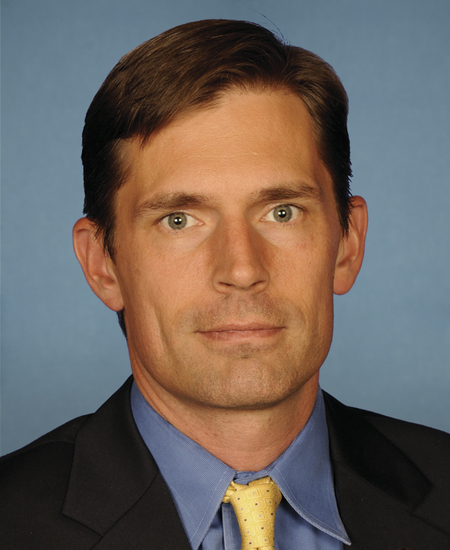
Martin Heinrich
Martin Heinrich Senate
D
Strong +
84% 37
Adam B. Schiff
Adam B. Schiff Senate
D
Support
79% 53
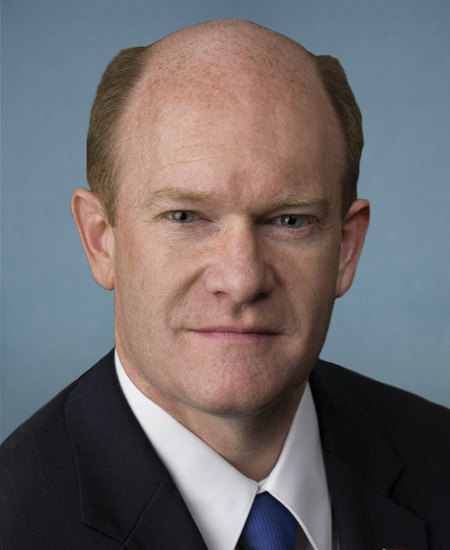
Christopher A. Coons
Christopher A. Coons Senate
D
Support
79% 52
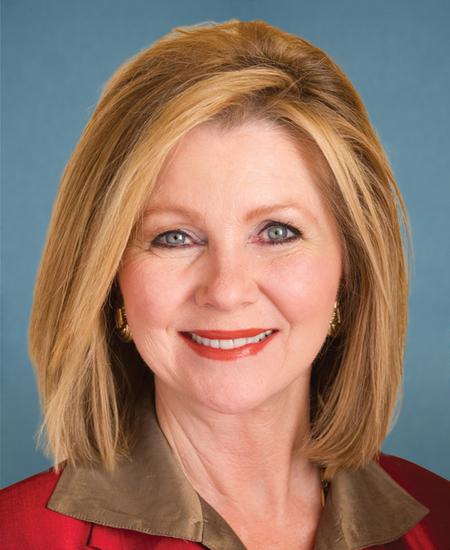
Marsha Blackburn
Marsha Blackburn Senate
R
Strong −
11% 36
Ted Budd
Ted Budd Senate
R
Strong −
20% 40
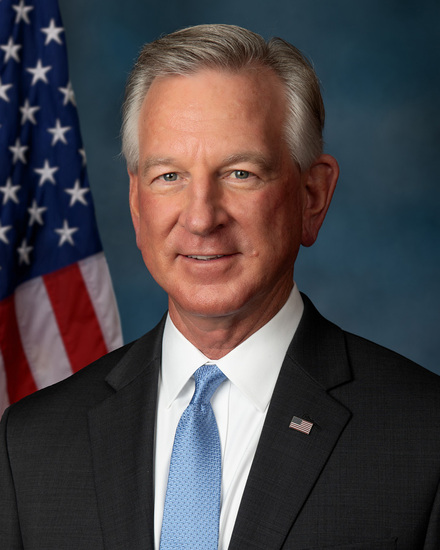
Tommy Tuberville
Tommy Tuberville Senate
R
Oppose
21% 53
Bill Cassidy
Bill Cassidy Senate
R
Oppose
22% 54
Jerry Moran
Jerry Moran Senate
R
Oppose
23% 53
Showing 201–210 of 1,978 bills

All environment bills

in committee · United States · House Apr 30, 2026

HR 8621: China-Africa Mining Transparency Act

The China-Africa Mining Transparency Act requires the Secretary of State to publish an annual list of Chinese-owned or controlled entities involved in mining critical minerals, gold, or iron in specific African nations. This list will identify companies and mines that are using forced labor or causing environmental damage to protected areas such as national parks and water sources. To compile this information, the State Department must rely on open-source data, reports from non-governmental organizations, and intelligence from U.S. embassies while consulting with other federal agencies. The resulting unclassified report will be made available to the public and submitted to Congress to increase transparency regarding these mining operations.
in committee · United States · House Sep 1, 2026

HR 9385: PROTECT USA Act of 2026

The PROTECT USA Act of 2026 prohibits U.S. companies from complying with foreign sustainability laws, such as the European Union's Corporate Sustainability Due Diligence Directive, to protect American businesses from extraterritorial regulations. This law defines "entities integral to the national interests of the United States" as domestic corporations operating in key sectors like energy, mining, and manufacturing, and it bans these companies from taking actions required by foreign due diligence rules unless they face specific hardships. The bill includes a process where the President can grant exemptions if a company demonstrates that compliance would cause particular hardship, while also protecting these entities from legal penalties or adverse actions taken by foreign governments for non-compliance. Additionally, the Act prevents U.S. courts from recognizing judgments against American companies based on violations of these foreign sustainability regulations.
passed · United States · House Sep 14, 2026

HR 9436: Northeast Lobsterman Protection Act of 2026

This bill extends the deadline for specific regulations protecting the North Atlantic right whale from 2028 to 2035. The change directly affects the U.S. government agencies responsible for enforcing these conservation rules, such as the National Marine Fisheries Service. By updating the Consolidated Appropriations Act, 2023, the legislation ensures that current protective measures remain in effect for an additional seven years. This adjustment allows regulators more time to gather data and potentially develop new strategies before the regulations expire.
Sub-Topics Conservation Wildlife
in committee · United States · House Jun 9, 2026

HR 9235: Disaster Ready Infrastructure Act of 2026

The Disaster Ready Infrastructure Act of 2026 requires federal transportation planning documents to identify infrastructure vulnerable to frequent natural disasters. Specifically, it mandates that both metropolitan and statewide plans list which facilities are at risk, which are critical for maintaining operations during or after a disaster, and what improvements are needed to keep them running. This change directly affects transportation planners and agencies responsible for creating these regional and state-level plans. By adding these specific identification steps to existing laws, the bill aims to ensure that disaster resilience is a formal part of transportation planning.
Sub-Topics Natural Disasters Bridges Roads & Highways Transportation Funding Tags Emergency Management
in committee · United States · House Jun 24, 2026

HR 9250: Great American Outdoors Act 250

This bill redesignates the existing National Parks and Public Land Legacy Restoration Fund as the America's Legacy Restoration Fund to address deferred maintenance on federal lands. It directs revenue from recreation fees and a portion of energy development income into the fund, which must be used primarily for repairing critical infrastructure like roads, trails, and buildings managed by agencies such as the National Park Service and the Forest Service. The legislation establishes strict rules requiring that most funds go toward non-transportation projects, mandates transparency through public dashboards tracking project status, and sets aside a small percentage for matching private donations. Additionally, the bill increases entrance fees for foreign visitors to ensure they contribute to the fund, while prohibiting the use of these specific funds for land acquisition or employee bonuses.
in committee · United States · House Jun 11, 2026

HR 9277: To amend title 5, United States Code, to provide that judicial review under the Administrative Procedure Act does not include any evidence that the court determines is not the product of reliable scientific principles and methods.

This bill modifies the Administrative Procedure Act to allow federal courts to exclude evidence they deem unreliable during judicial reviews of agency actions. It directly affects government agencies and the plaintiffs or defendants involved in administrative law cases by changing how scientific data is treated in court. The key provision requires courts to strike out any evidence that does not meet their standards for being based on reliable scientific principles or methods. Consequently, this change could influence how courts evaluate scientific arguments in disputes over federal regulations.
in committee · United States · Senate Jun 11, 2026

S 4772: Renewable Energy Choice Act

The Renewable Energy Choice Act restricts state and local governments from passing laws that limit the connection or expansion of renewable energy projects. It directly affects municipalities and regulatory agencies by prohibiting specific restrictions on wind, solar, geothermal, and energy storage facilities. The bill sets concrete limits, such as banning moratoriums longer than six months, capping project height limits at 525 feet, and preventing setbacks wider than 1,000 feet. Additionally, it prevents localities from charging permitting fees that differ significantly from those applied to other similar energy projects.
in committee · United States · House Jun 11, 2026

HR 9291: Federal Flood Risk Management Act of 2026

The Federal Flood Risk Management Act of 2026 requires federal agencies to evaluate and manage flood risks when planning, building, or funding projects in floodplains. Under this law, agencies must use climate-informed science to determine flood zones and generally add a safety margin of two to three feet above standard flood levels to ensure structures remain safe over their intended lifetimes. The bill mandates that agencies consider nature-based solutions to avoid building in flood-prone areas, notify local governments and the public of proposed projects in these zones, and update their standards every five years based on new scientific data. Additionally, the act requires agencies to inform private parties about flood hazards before approving financial transactions for structures in at-risk areas and to report annually on how these new requirements affect their operations.
in committee · United States · House Jun 30, 2026

HR 9282: Encouraging Public Service in Our National Parks and Public Land Act

This bill, titled the Encouraging Public Service in Our National Parks and Public Land Act, requires the Secretary of the Interior to make specific federal recreational lands and waters free of admission fees on designated dates throughout the year. The key provision mandates that these free access days include Martin Luther King Jr. Day, the first day of National Park Week, Juneteenth, Great American Outdoors Day, National Public Lands Day, and Veterans Day. Additionally, the legislation grants the Secretary the authority to establish extra fee-free days beyond those listed. These changes directly affect visitors to national parks and other federal recreational areas by providing them with guaranteed free entry on these holidays and observances.
in committee · United States · House Jul 14, 2026

HR 9317: BUSES Act

The BUSES Act establishes a national minimum standard requiring that restrictions on bus engine idling cannot last for less than 15 minutes, applying to both over-the-road and school buses. This rule prevents states and local governments from enforcing shorter idling limits through their existing air quality plans. Additionally, the legislation prohibits private citizens from suing bus owners or operators for violating these idling rules and bans state programs that pay individuals for reporting such violations.
Showing 201 to 210 of 1,978 bills
Previous 1 20 21 22 198 Next