Issue · Environment

Environment

Every environment bill, vote, and legislator stance in United States, automatically classified by Maddy, our AI policy reader.

Total bills
1,978
119th Congress
Top supporter
Aisha Wahab
100% support rate
Top opponent
Marsha Blackburn
11% support rate
Ranked legislators
10
5 support · 5 oppose
Key legislators

Who's moving environment in United States

Legislators moving environment in United States
Legislator Party Stance Support rate Decisive votes
Aisha Wahab
Aisha Wahab House · District 14
D
Strong +
100% 7
Everton Blair Jr.
Everton Blair Jr. House · District 13
D
Strong +
89% 9
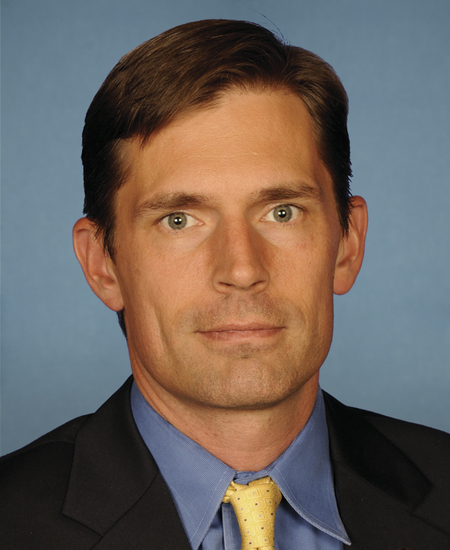
Martin Heinrich
Martin Heinrich Senate
D
Strong +
84% 37
Adam B. Schiff
Adam B. Schiff Senate
D
Support
79% 53
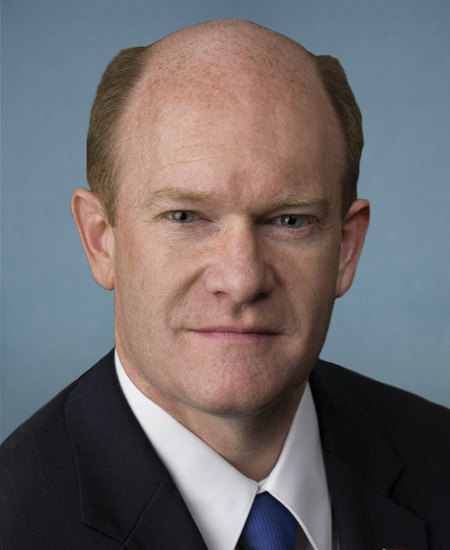
Christopher A. Coons
Christopher A. Coons Senate
D
Support
79% 52
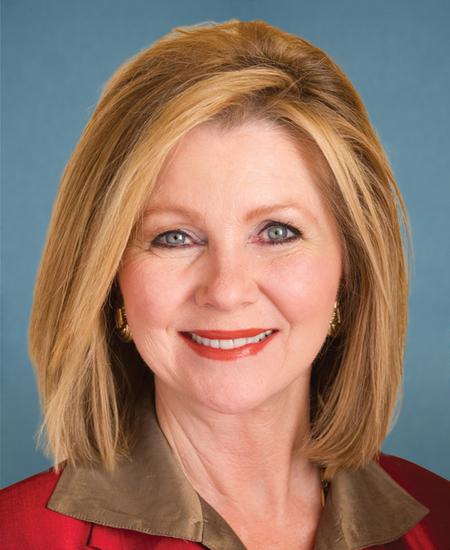
Marsha Blackburn
Marsha Blackburn Senate
R
Strong −
11% 36
Ted Budd
Ted Budd Senate
R
Strong −
20% 40
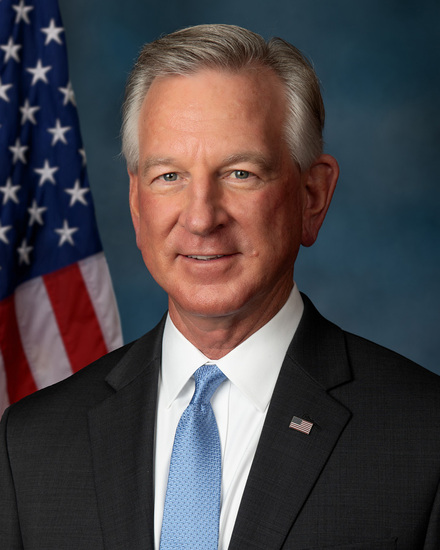
Tommy Tuberville
Tommy Tuberville Senate
R
Oppose
21% 53
Bill Cassidy
Bill Cassidy Senate
R
Oppose
22% 54
Jerry Moran
Jerry Moran Senate
R
Oppose
23% 53
Showing 191–200 of 1,978 bills

All environment bills

in committee · United States · Senate Jun 22, 2026

SRES 782: A resolution recognizing the importance of pollinators to ecosystem health and agriculture in the United States by designating June 22 through June 28, 2026, as "National Pollinator Week".

This Senate resolution designates June 22 through June 28, 2026, as National Pollinator Week to raise awareness about the vital role pollinators play in agriculture and ecosystem health. The measure directly affects the general public, agricultural producers, and conservation groups by encouraging them to observe the week with ceremonies and educational activities. It acknowledges that pollinators support over 80 percent of flowering plants and contribute billions of dollars annually to crop production while highlighting the decline of species like the monarch butterfly. The resolution also expresses the Senate's intent to continue working on conserving native pollinator species and improving public understanding of their importance.
Sub-Topics Conservation
in committee · United States · House Jun 25, 2026

HR 9453: End EPA Abuse Act of 2026

The End EPA Abuse Act of 2026 amends the Clean Air Act to limit the Environmental Protection Agency's authority to create new regulations. Specifically, it prohibits the EPA Administrator from issuing rules that restrict the sale or use of internal combustion engine vehicles, force power plants to switch fuel sources, or reduce the reliability of the electric grid. The bill also bars the agency from mandating technologies that are commercially unavailable, too expensive without subsidies, or technically unfeasible due to geographic or infrastructure limitations. Additionally, the law prevents the EPA from expanding its regulatory power beyond what Congress originally intended. These changes directly affect the EPA's ability to enforce environmental standards and impact industries such as automotive manufacturing and energy production.
in committee · United States · Senate Jun 22, 2026

S 4851: SCALE Act of 2026

The SCALE Act of 2026 creates a new grant program to help states and eligible Indian tribes improve soil health and wildlife habitat on agricultural lands. Between fiscal years 2027 and 2031, the Department of Agriculture will provide up to $10 million annually to recipients that meet specific performance standards, with a total funding pool of $250 million. To receive these funds, applicants must submit a plan detailing their goals and agree to match federal dollars with their own state or tribal funds, unless they cannot provide the full match. The law also sets strict rules on how the money can be spent, limiting administrative costs and prohibiting conditions that would force changes to existing local programs. Recipients must submit annual audit results and could be disqualified from future funding if they fail to comply with the grant terms.
in committee · United States · Senate Jun 18, 2026

S 4844: PFAS Alternatives Act

The PFAS Alternatives Act directs the Secretary of Health and Human Services to create grant programs that help develop and train firefighters on using protective gear free from PFAS chemicals. Under this law, eligible nonprofit and educational organizations can receive funding to research next-generation turnout gear that maintains safety standards without relying on per- and polyfluoroalkyl substances. The legislation allocates up to $25 million between 2027 and 2031 for research grants and $2 million between 2028 and 2032 for training initiatives, ensuring that new gear designs are tested and that first responders learn proper care and decontamination methods. Additionally, the bill requires the Secretary to submit a progress report to Congress within two years of enactment to track the implementation of these safety improvements.
Sub-Topics Drinking Water
in committee · United States · House Jun 30, 2026

HR 9357: Paraquat Prevention Act

The Paraquat Prevention Act directs the Environmental Protection Agency to immediately cancel the registration of paraquat, a pesticide used in agriculture, and to revoke any existing safety limits for its residues in food. This legislation also prohibits the sale and use of any remaining paraquat stocks already on the market and bars the EPA from re-registering the chemical in the future. By removing paraquat from legal use, the bill directly impacts farmers who currently rely on it and consumers concerned about pesticide exposure in their food supply.
Tags Agriculture
in committee · United States · House Jun 25, 2026

HR 9483: Clean Ports for Commerce Act

The Clean Ports for Commerce Act requires the Secretary of the Army to create an advanced plan before dredging materials known to contain PFAS chemicals. This plan must identify where the contaminated materials will be disposed of, outline steps to protect water quality and public health, and estimate any potential delays caused by these substances. The legislation directly impacts federal dredging projects and aims to ensure that cleanup operations are managed safely before they begin. By mandating these specific preparations, the bill seeks to address environmental and health risks associated with PFAS in port maintenance work.
in committee · United States · House Jun 30, 2026

HR 9217: Natural Climate Solutions Research and Extension Act of 2026

The Natural Climate Solutions Research and Extension Act of 2026 directs federal funding toward agricultural research and extension programs focused on natural climate solutions. This legislation specifically targets practices in farmlands, grasslands, wetlands, and forests that store carbon or lower greenhouse gas emissions. The bill requires these initiatives to incorporate traditional ecological knowledge, support biodiversity, and reduce water runoff. By amending an existing farm bill, the act aims to expand grant opportunities for land management strategies that address climate change.
Sub-Topics Climate Change Conservation Public Lands Tags Agriculture
in committee · United States · House Apr 16, 2026

HR 8330: Stop Climate Shakedowns Act of 2026

The Stop Climate Shakedowns Act of 2026 prohibits state and local governments from suing energy companies for damages related to climate change or greenhouse gas emissions. This bill declares that regulating emissions is exclusively a federal responsibility and voids any state laws that hold energy businesses liable for alleged climate harms. Consequently, all pending lawsuits of this nature against energy producers must be dismissed immediately, preventing states from imposing retroactive penalties for past lawful operations. The legislation directly affects companies involved in the production, refinement, and sale of oil, gas, and coal by shielding them from civil liability in both state and federal courts.
in committee · United States · House Jun 15, 2026

HR 9325: Lone Star Coastal National Recreation Area Act

This bill establishes the Lone Star Coastal National Recreation Area as a unit of the National Park System to protect the natural, cultural, and recreational resources along the Texas Gulf Coast. The area would be created only after the Secretary of the Interior acquires sufficient land through voluntary means such as donations, purchases from willing sellers, or exchanges, with no use of condemnation. A new partnership involving federal, state, local, and private stakeholders will develop a management plan that coordinates activities across both federally owned lands and participating private or state lands. The legislation ensures that private landowners retain their rights and that existing economic activities like hunting, fishing, and oil and gas operations continue without new regulations, while allowing the National Park Service to provide technical assistance and interpretive services.
in committee · United States · Senate Sep 16, 2026

S 4870: Earth MRI Reauthorization Act of 2026

The Earth MRI Reauthorization Act of 2026 extends funding for the Earth Mapping Resources Initiative through 2031. This program will continue to map critical minerals, geothermal energy, and natural hydrogen resources using advanced technologies like digital geochemistry and real-time data systems. The bill also updates the initiative to include data from the 3D Hydrography Program, ensuring a broader range of subsurface information is collected and analyzed.
Showing 191 to 200 of 1,978 bills
Previous 1 19 20 21 198 Next