Issue · Education

Education

Every education bill, vote, and legislator stance in United States, automatically classified by Maddy, our AI policy reader.

Total bills
1,179
119th Congress
Top supporter
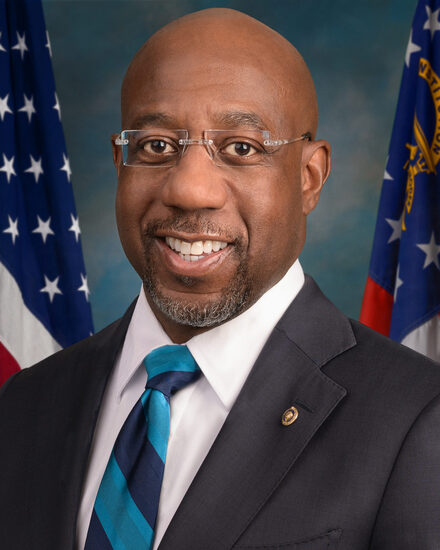
Raphael G. Warnock
100% support rate
Top opponent
Thomas Massie
14% support rate
Ranked legislators
10
5 support · 5 oppose
Key legislators

Who's moving education in United States

Legislators moving education in United States
Legislator Party Stance Support rate Votes
Raphael G. Warnock
Raphael G. Warnock Senate
D
Strong +
100% 167
Elissa Slotkin
Elissa Slotkin Senate
D
Strong +
86% 166
Michael F. Bennet
Michael F. Bennet Senate
D
Strong +
86% 137
Mark R. Warner
Mark R. Warner Senate
D
Strong +
86% 167
Gary C. Peters
Gary C. Peters Senate
D
Strong +
86% 167
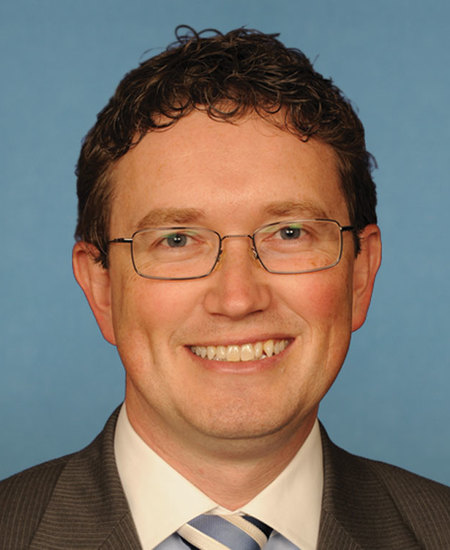
Thomas Massie
Thomas Massie House · District 4
R
Strong −
14% 126
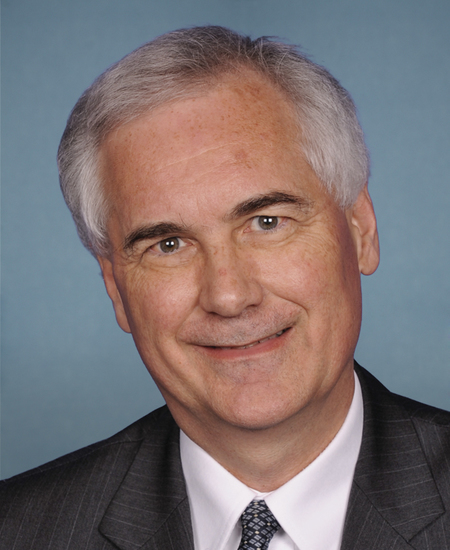
Tom McClintock
Tom McClintock House · District 5
R
Strong −
14% 125
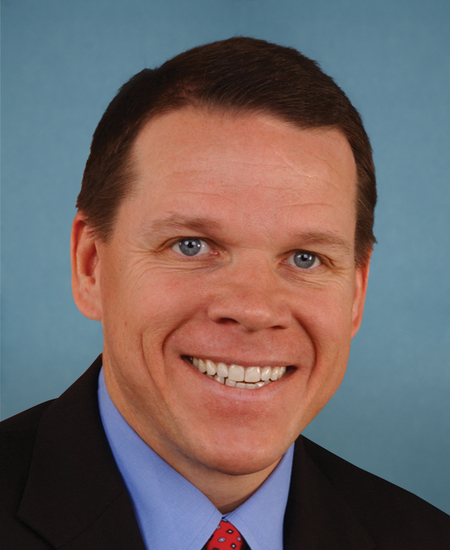
Sam Graves
Sam Graves House · District 6
R
Strong −
14% 124
Elijah Crane
Elijah Crane House · District 2
R
Strong −
14% 128
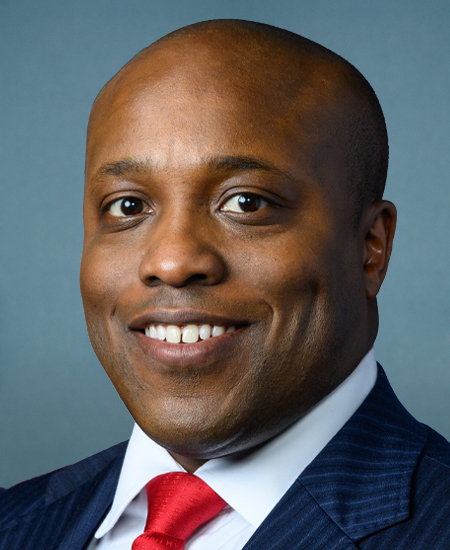
Wesley Hunt
Wesley Hunt House · District 38
R
Strong −
14% 109
Showing 961–970 of 1,179 bills

All education bills

in committee · United States · House Feb 27, 2025

HR 1660: BEST Act

The BEST Act establishes a federal grant program to help states create or improve Seal of Biliteracy programs for K-12 students. It provides $10 million annually (2025-2029) for states to develop programs recognizing students who demonstrate speaking and writing proficiency in both English and a second language, including Native American languages and American Sign Language. States must ensure equitable access for English learners, students with disabilities, and heritage language learners, and provide free testing for low-income students. The program requires states to award permanent seals or documentation on diplomas/transcripts for qualifying students.
Sub-Topics K-12 Education
in committee · United States · Senate Dec 11, 2025

S 3433: PELL Act

The PELL Act (S 3433) would eliminate federal funding for institutions that receive grants based on the racial or ethnic composition of their student bodies, including Hispanic-Serving Institutions and Historically Black Colleges and Universities. The bill amends the Higher Education Act to require institutions receiving federal funds to serve a substantial number of students receiving Federal Pell Grants and to prohibit racial discrimination in admissions or hiring, including through racial quotas. It redirects funds from Minority-Serving Institution programs toward increasing the Federal Pell Grant program, which provides need-based financial aid for college students regardless of race. The legislation would require federal agencies to identify and eliminate all provisions that allocate funds based on racial or ethnic criteria for institutions. This bill directly affects federal grant programs and institutions currently receiving funding based on racial or ethnic composition of their student bodies.
in committee · United States · Senate Apr 10, 2025

S 1431: School Meal Modernization and Hunger Elimination Act

This bill expands automatic eligibility for free school meals by adding new categories of children who qualify without needing separate applications, including those in kinship care, living with grandparents in low-income housing, and children in Native American housing programs. It creates a system for transferring meal eligibility when children move between school districts, extends eligibility for up to one year longer in certain cases, and establishes automatic certification for children receiving Medicaid benefits. The bill also provides $28 million in grants to states and tribal organizations to improve direct certification rates, and creates a demonstration program to test universal free school meals in up to 5 states. These changes aim to reduce administrative barriers and increase access to school meals for children from low-income families.
in committee · United States · Senate Mar 12, 2025

S 994: PROTECT Students Act of 2025

The PROTECT Students Act of 2025 requires institutions of higher education to disclose debt-to-earnings rates and earnings premium data to help students evaluate program value. It strengthens borrower defense protections for students misled by institutions, prohibits institutions from limiting students' legal rights to pursue claims, and mandates that institutions spend at least 30% of tuition revenue on instruction. The bill also requires transparency about institutional finances, program outcomes, and third-party relationships to help students make informed decisions. These provisions directly affect students, higher education institutions, and third-party servicers. The act aims to improve accountability and transparency in higher education, particularly for for-profit institutions.
in committee · United States · House Jun 30, 2025

HR 4260: To ensure the appropriate administration of the Impact Aid program.

This bill (HR 4260) prevents the U.S. Department of Education from making significant changes to how the Impact Aid program is run. It requires the Education Secretary to maintain the program's administration as it existed on January 1, 2025, unless federal law or a court order mandates otherwise. The bill also mandates annual certification to Congress confirming compliance with this requirement. Impact Aid provides funding to school districts near federal properties (like military bases or national parks) that lose tax revenue, so this bill directly affects those districts by preserving current administrative practices. The key mechanism is a freeze on administrative changes plus annual reporting to Congress.
Sub-Topics K-12 Education
in committee · United States · Senate Jun 25, 2025

S 2166: Head Start for Our Future Act

This bill amends the Higher Education Act to allow Head Start and Early Head Start programs to hire college students through federal work-study programs. It directly affects Head Start/EHS agencies and college students participating in work-study. Key provisions require agencies to ensure student employees comply with program standards, prohibit students from being left alone with children (requiring regular staff supervision), and clarify that student workers do not count toward staff-to-child ratios. The changes integrate student employment into existing early childhood programs without altering funding or eligibility.
in committee · United States · House Mar 31, 2025

HRES 269: Reaffirming the commitment of the Federal Government to historically Black colleges and universities and honoring their enduring legacy and contributions.

This resolution (HRES 269) is a symbolic statement honoring historically Black colleges and universities (HBCUs) and reaffirming the federal government's existing commitment to them. It does not create new laws or funding but formally recognizes HBCUs' role in educating nearly 300,000 students annually, producing 50% of Black teachers and 80% of Black judges, and contributing $16.5 billion to the economy. The resolution requests that federal agencies receive copies to align with ongoing support for HBCUs, though it does not alter any existing policies or resources. It directly affects HBCUs by affirming their national significance and the government’s longstanding partnership with them.
Sub-Topics Higher Education
in committee · United States · Senate Jul 28, 2025

S 2481: Pay Teachers Act

The Pay Teachers Act requires states to ensure public school teachers earn a minimum starting salary of $60,000 that increases with experience, and paraprofessionals and education support staff earn at least $45,000 annually or $30 per hour. The bill provides mandatory federal funding to support these salary increases and requires states to develop implementation plans within 4 years (with possible extensions for states facing financial challenges). It also establishes career ladder programs that allow teachers to earn additional compensation for taking on leadership roles and responsibilities. This legislation directly affects all public school teachers, paraprofessionals, and education support staff nationwide, as well as state and local education agencies responsible for implementing the changes.
in committee · United States · House Apr 4, 2025

HR 1952: Future FARMER Act

The Future FARMER Act reauthorizes annual funding for agricultural education programs under the National Agricultural Research, Extension, and Teaching Policy Act of 1977. It specifically allocates $40 million each year from fiscal years 2025 through 2029 for grants and fellowships supporting students and educators in food and agricultural sciences. This funding directly affects institutions like land-grant universities and their students participating in these programs. The bill makes no new requirements but ensures continued financial support for existing educational initiatives in agriculture.
Sub-Topics Career & Technical Education Higher Education Tags Agriculture
in committee · United States · House Jan 30, 2026

HR 7279: Nurse Faculty Shortage Reduction Act of 2026

HR 7279, the Nurse Faculty Shortage Reduction Act of 2026, creates a federal program to address nurse faculty shortages by covering the pay gap between nursing faculty salaries and clinical nursing salaries. It authorizes $15 million annually (2027-2031) for nursing schools to supplement faculty salaries for up to three years, targeting faculty who previously worked in clinical practice or are new hires. Schools must submit detailed salary data comparing clinical nurse pay to faculty pay and demonstrate plans to sustain funding after the grant period. The program prioritizes schools in health professional shortage areas, serving vulnerable populations, or focusing on underrepresented faculty, with a report due to Congress within three years of enactment.
Showing 961 to 970 of 1,179 bills
Previous 1 96 97 98 118 Next