Issue · Education

Education

Every education bill, vote, and legislator stance in United States, automatically classified by Maddy, our AI policy reader.

Total bills
1,179
119th Congress
Top supporter
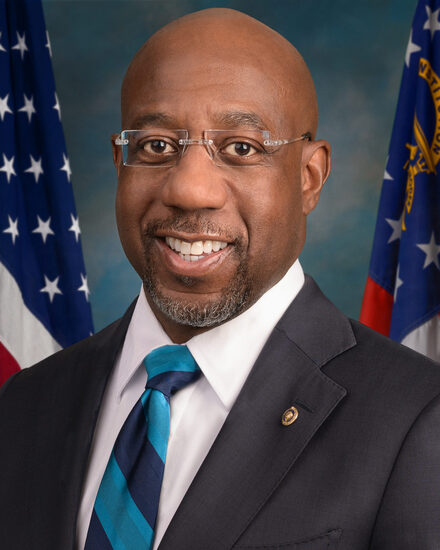
Raphael G. Warnock
100% support rate
Top opponent
Thomas Massie
14% support rate
Ranked legislators
10
5 support · 5 oppose
Key legislators

Who's moving education in United States

Legislators moving education in United States
Legislator Party Stance Support rate Votes
Raphael G. Warnock
Raphael G. Warnock Senate
D
Strong +
100% 167
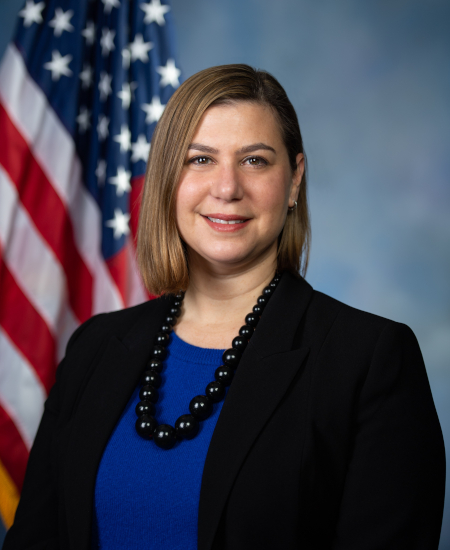
Elissa Slotkin
Elissa Slotkin Senate
D
Strong +
86% 166
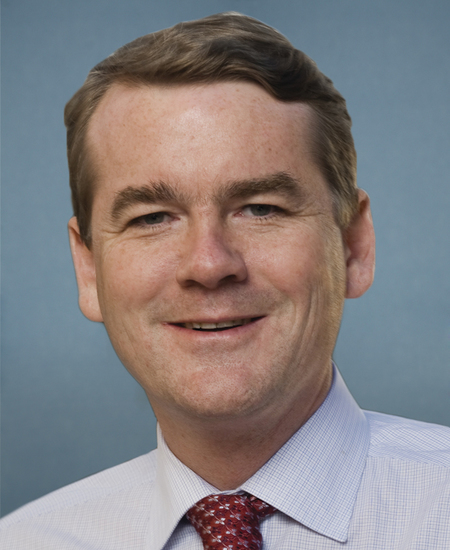
Michael F. Bennet
Michael F. Bennet Senate
D
Strong +
86% 137
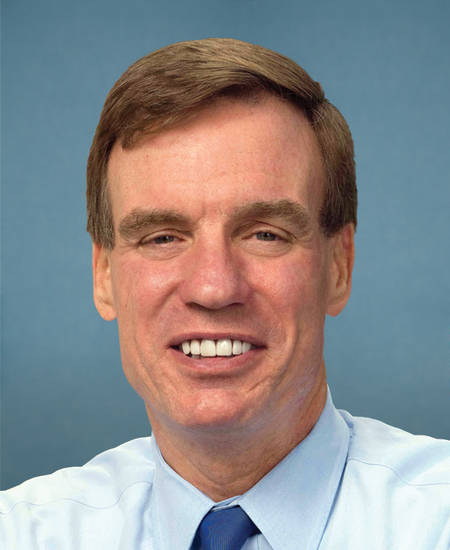
Mark R. Warner
Mark R. Warner Senate
D
Strong +
86% 167
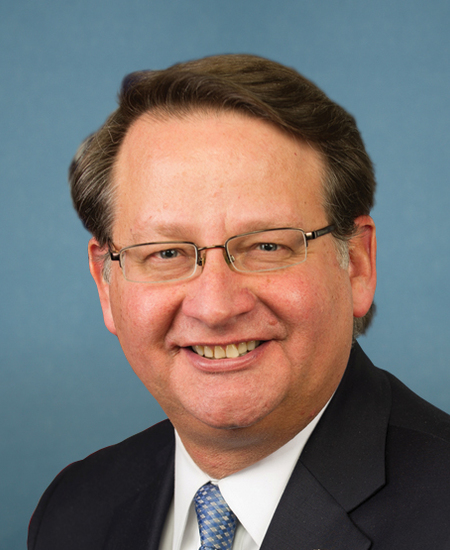
Gary C. Peters
Gary C. Peters Senate
D
Strong +
86% 167
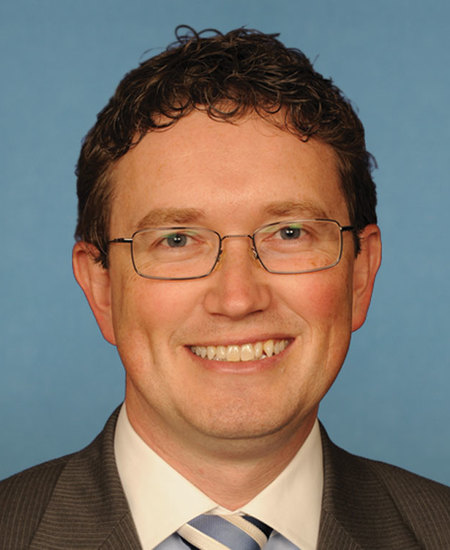
Thomas Massie
Thomas Massie House · District 4
R
Strong −
14% 126
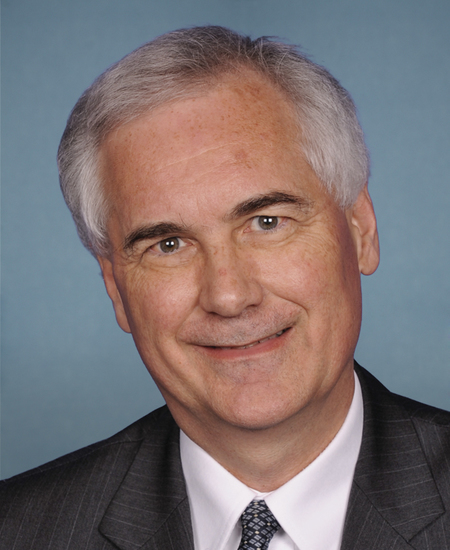
Tom McClintock
Tom McClintock House · District 5
R
Strong −
14% 125
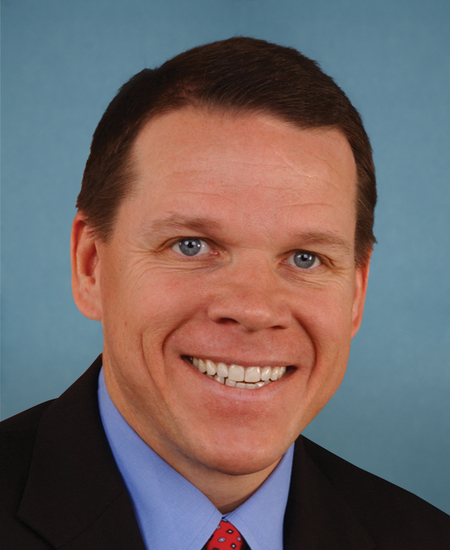
Sam Graves
Sam Graves House · District 6
R
Strong −
14% 124
Elijah Crane
Elijah Crane House · District 2
R
Strong −
14% 128
Wesley Hunt
Wesley Hunt House · District 38
R
Strong −
14% 109
Showing 951–960 of 1,179 bills

All education bills

in committee · United States · House Jan 31, 2025

HR 838: A PLUS Act

HR 838, the A PLUS Act, allows states to consolidate federal education funds into a single funding stream under a "declaration of intent," reducing administrative paperwork. States must submit a plan detailing which programs they’ll combine (excluding special education funds), how they’ll use the money to improve student achievement, and how they’ll report progress to parents and the public. The bill requires states to ensure federal funds "supplement, not supplant" state education spending and maintain accountability through annual public reports on student performance data. This directly affects states managing federal education programs, aiming to simplify compliance while keeping public oversight of how funds are used.
in committee · United States · House Jan 31, 2025

HR 847: BLOCK Act

HR 847, the BLOCK Act, replaces 10 specific K-12 education programs under the Elementary and Secondary Education Act with flexible block grants to states starting in fiscal year 2026. It directly affects all 50 states, the District of Columbia, and Puerto Rico by repealing targeted grants for local schools (Title I), English language learners (Title III), student support (Title IV), rural education, and other programs effective October 1, 2025. The bill shifts funding from federally mandated, program-specific grants to general block grants, giving states more discretion in how they allocate funds. This represents a major structural change to federal K-12 education financing, moving away from categorical funding toward broader state flexibility. The law takes effect with the 2026 budget cycle, using 2025 funding levels as the baseline for block grant amounts.
in committee · United States · Senate Oct 23, 2025

S 3040: Edith Nourse Rogers STEM Scholarship Opportunity Act of 2025

Edith Nourse Rogers STEM Scholarship Opportunity Act of 2025 This bill expands eligibility for and modifies administration of the Edith Nourse Rogers STEM Scholarship. The scholarship allows individuals who are entitled to Post-9/11 GI Bill educational assistance and are pursuing eligible degrees in science, technology, engineering, mathematics, or health care to receive up to nine additional months of benefits (capped at $30,000). The bill eliminates the requirement that an individual must have less than 180 days of remaining educational assistance entitlement (or no entitlement remaining) to be eligible for the scholarship. Additionally, the bill reduces by 25% the number of credits an individual must have completed in order to be eligible for the scholarship. In situations where there are insufficient funds available in a fiscal year, the bill authorizes the Department of Veterans Affairs to give priority to individuals who have used the most months of their educational assistance entitlement and those who are using their entitlement to pursue a program of post-secondary education in specified fields (e.g., engineering). The bill specifies that individuals who receive the scholarship benefit may only use the benefit after they have used all of their educational assistance entitlement under the Post-9/11 GI Bill.
in committee · United States · House Feb 25, 2026

HR 7689: Earl N. Williams, Sr., First Chance Act

This bill amends the Higher Education Act to create "basic and emergency supplemental living assistance grants" for first-year undergraduate students participating in their institution's student support services program. Basic grants cover anticipated expenses (like tuition or housing) for completing their first academic year, while emergency grants address unexpected costs (such as childcare, transportation, or personal needs) that could disrupt their studies. Grants are capped at $500 for the 2027-2028 academic year, with future limits adjusted annually using the Consumer Price Index. Institutions must allocate these funds without reducing existing non-Federal support and may use up to 2% of allocated program funds for these grants.
in committee · United States · House Sep 10, 2025

HR 5181: SOAR Act Improvements Act

The SOAR Act Improvements Act (HR 5181) amends Washington, D.C.'s scholarship program to extend grant durations from 5 to 10 years without competitive renewal, expand eligibility to schools across the Washington metropolitan region (including parts of Maryland and Virginia), and update funding rules. It allows scholarship funds to cover pre-kindergarten, increases annual academic assistance funding from $2 million to $2.2 million, and requires participating schools to maintain accreditation. The bill also modifies evaluation requirements to include annual reporting on student outcomes like graduation rates and school safety comparisons, with evaluations mandated every seven years starting in 2027. These changes directly affect D.C. scholarship recipients, participating schools, and eligible entities administering the program.
in committee · United States · House Feb 5, 2026

HRES 1040: Recognizing the significance of the Greensboro Four sit-in during Black History Month.

HRES 1040 is a symbolic resolution recognizing the Greensboro Four sit-in during Black History Month. It commemorates the 66th anniversary of the February 1, 1960, sit-in at a Greensboro Woolworth's lunch counter, where four Black students challenged racial segregation. The resolution encourages states to include the Greensboro Four's history and contributions in school curricula. As a non-binding resolution, it has no legal effect but formally honors this pivotal civil rights moment.
in committee · United States · House Dec 3, 2025

HR 6375: 21st Century STEM for Girls and Underrepresented Minorities Act

This bill creates federal grants to support STEM education programs for girls and underrepresented minorities in K-12 schools. It directs $250,000 annually per grant to school districts serving high-poverty communities (with at least 40% students eligible for free/reduced lunch) to fund specific activities like after-school STEM programs, teacher training on reducing bias, mentorship, parental engagement, and summer camps. The grants require schools to track student participation and academic progress in STEM through annual evaluations. The program aims to increase opportunities for these students to develop skills and pursue STEM careers, while ensuring funds supplement - rather than replace - existing resources.
in committee · United States · House Apr 8, 2025

HR 2738: Ending PUSHOUT Act of 2025

The Ending PUSHOUT Act of 2025 aims to address discriminatory school discipline practices that disproportionately push students of color, particularly Black, Brown, and Indigenous girls, out of school. It requires schools to collect and report detailed demographic data on discipline practices, including race, gender identity, disability status, and other factors. The bill provides grants to schools to implement trauma-informed alternatives to exclusionary discipline like suspensions and expulsions, while prohibiting certain practices such as out-of-school suspension for young students for minor offenses like grooming policy violations. It also establishes a joint task force with student, parent, and expert representation to study and recommend solutions to end school pushout of girls of color.
Sub-Topics School Safety
in committee · United States · Senate Sep 11, 2025

S 2782: Service Starts At Home Act

The Service Starts At Home Act (S 2782) creates two main programs: (1) grants to states and local governments for paid internships for high school students and college undergraduates in local government roles, and (2) scholarships for students based on volunteer service hours. It directly affects secondary and postsecondary students, local governments, and states by funding internships with educational value and awarding scholarships (ranging from $1,000 to $3,000 annually) to students who complete 100+ volunteer hours. Key mechanisms include competitive grant applications for internship programs, state-level scholarship administration with priority for renewal applicants, and requirements for volunteer work to be unpaid and non-religious. The bill authorizes $50 million annually for internships and $100 million annually for scholarships from fiscal years 2026-2030.
in committee · United States · House Sep 19, 2025

HR 5527: Stop Censoring Military Families Act

This bill requires the Secretary of Defense to restore access to all curricula, books, and learning materials previously available at Department of Defense Education Activity (DODEA) schools by 30 days after enactment, and prohibits new restrictions until the 2026-2027 school year. It adds new procedural requirements for future directives affecting DODEA schools, mandating advisory committee reviews and congressional notice before changes to curricula or materials. The bill also nullifies specific executive orders (including those restricting "radical indoctrination" or "gender ideology") that impacted DODEA schools and directs a study on creating an independent body to oversee DODEA curricula. It directly affects military-connected students and schools operated by the Department of Defense Education Activity.
Sub-Topics Curriculum
Showing 951 to 960 of 1,179 bills
Previous 1 95 96 97 118 Next