Issue · Education

Education

Every education bill, vote, and legislator stance in United States, automatically classified by Maddy, our AI policy reader.

Total bills
1,179
119th Congress
Top supporter
Raphael G. Warnock
100% support rate
Top opponent
Thomas Massie
14% support rate
Ranked legislators
10
5 support · 5 oppose
Key legislators

Who's moving education in United States

Legislators moving education in United States
Legislator Party Stance Support rate Votes
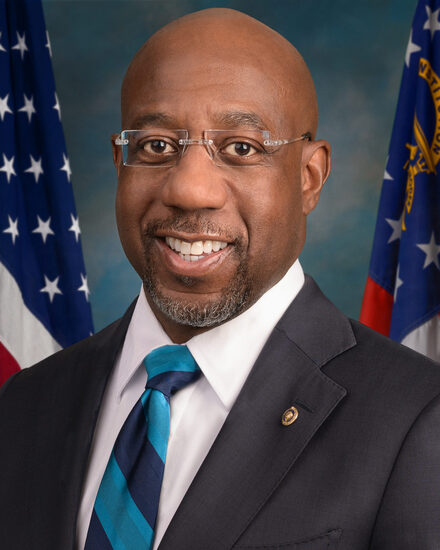
Raphael G. Warnock
Raphael G. Warnock Senate
D
Strong +
100% 167
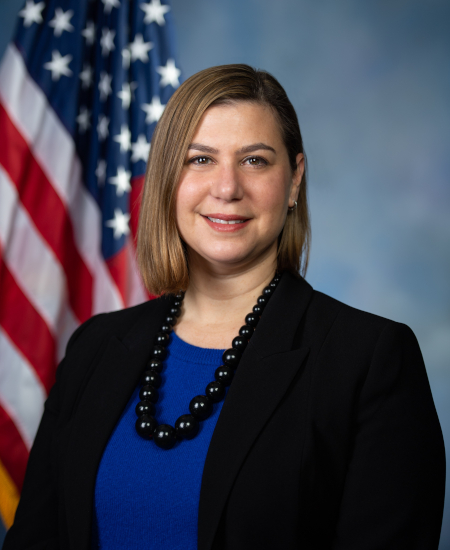
Elissa Slotkin
Elissa Slotkin Senate
D
Strong +
86% 166
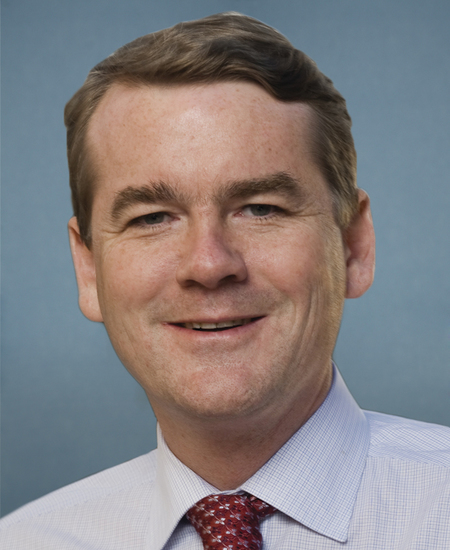
Michael F. Bennet
Michael F. Bennet Senate
D
Strong +
86% 137
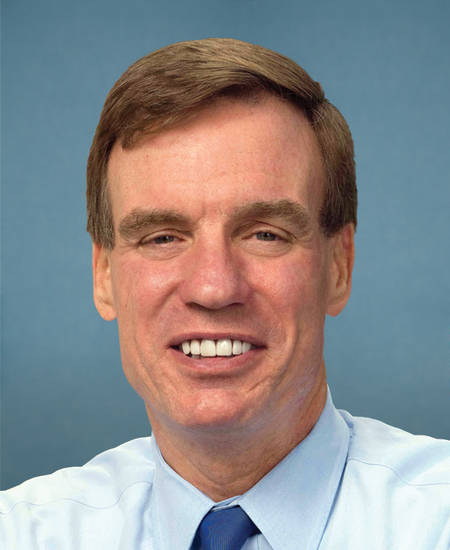
Mark R. Warner
Mark R. Warner Senate
D
Strong +
86% 167
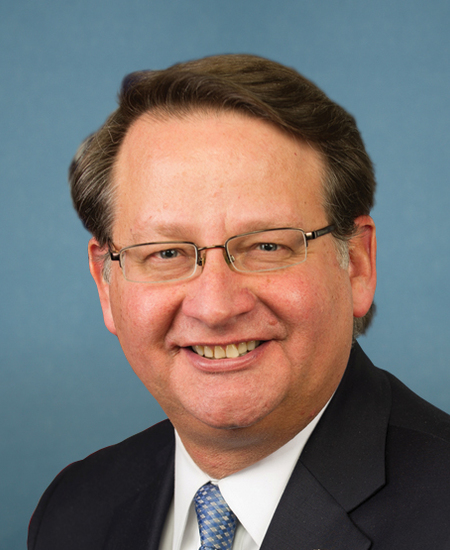
Gary C. Peters
Gary C. Peters Senate
D
Strong +
86% 167
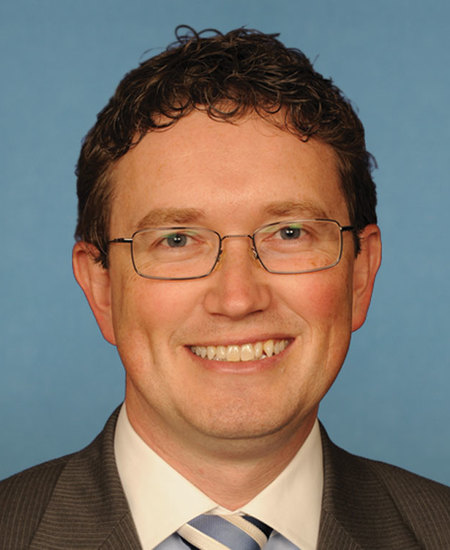
Thomas Massie
Thomas Massie House · District 4
R
Strong −
14% 126
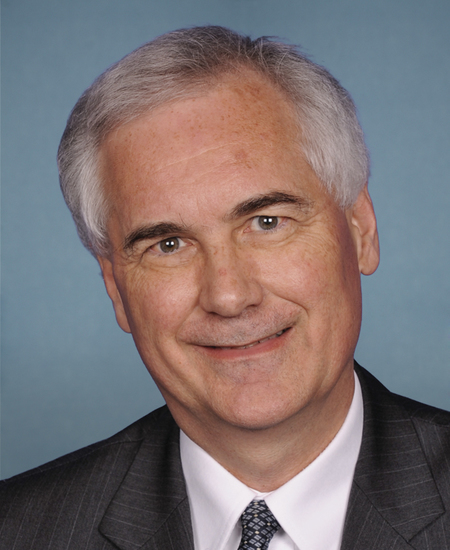
Tom McClintock
Tom McClintock House · District 5
R
Strong −
14% 125
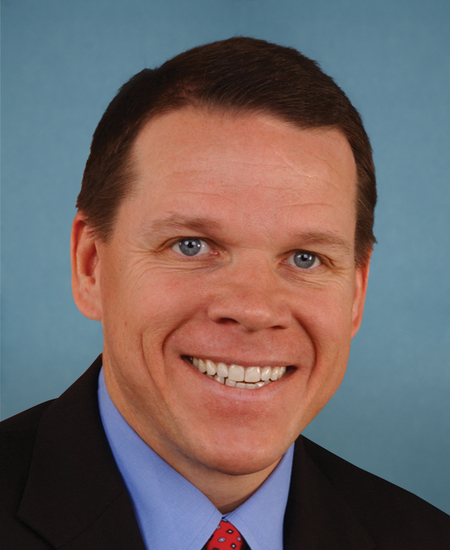
Sam Graves
Sam Graves House · District 6
R
Strong −
14% 124
Elijah Crane
Elijah Crane House · District 2
R
Strong −
14% 128
Wesley Hunt
Wesley Hunt House · District 38
R
Strong −
14% 109
Showing 971–980 of 1,179 bills

All education bills

in committee · United States · House Jun 25, 2026

HR 5505: Equal Campus Access Act of 2025

This bill prevents public colleges receiving federal funding from denying religious student groups access to campus facilities and official recognition - same as other student organizations. It requires equal treatment for religious groups regarding meeting spaces, events, and institutional support, prohibiting discrimination based on religious beliefs or practices. The law directly affects all public universities participating in federal student aid programs (over 400 institutions). It mandates policy changes to ensure religious groups receive the same access and benefits as secular clubs.
Sub-Topics Higher Education
in committee · United States · House Apr 3, 2025

HR 2634: Free Speech On Campus Act

HR 2634, the Free Speech On Campus Act, requires public colleges and universities to implement specific free speech education for students. It mandates that institutions provide new and transfer students with a written statement explaining First Amendment rights and their commitment to free expression, along with educational programming about campus speech policies and respectful discourse. Institutions must also post this statement on their public websites. The bill directly affects public higher education institutions by requiring these specific orientation and website disclosures as a condition of federal funding under the Higher Education Act.
Sub-Topics Higher Education
in committee · United States · House Jan 24, 2025

HR 739: Salad Bars in Schools Expansion Act

The Salad Bars in Schools Expansion Act provides grants to cover the installation costs of salad bars in schools participating in the National School Lunch Program, prioritizing schools with high rates of students eligible for free or reduced-price meals, those in food deserts, or schools offering nutrition education. It requires the Secretary of Agriculture to create a marketing plan and provide training, technical assistance, and resources to help schools implement salad bar programs. The grant program must be evaluated within one year, with a report to Congress detailing participation and outcomes, and will end after five years. The bill uses existing funding without new appropriations, focusing on expanding access to fresh fruits and vegetables in school meals.
Sub-Topics Student Health
in committee · United States · Senate Sep 16, 2025

S 2819: Head Start for America's Children Act

The Head Start for America's Children Act authorizes $144.872 billion for Head Start in fiscal year 2026 with annual inflation adjustments, creating new funding streams for facility improvements, transportation, workforce development, and mental health services. It updates eligibility criteria to include children developing English proficiency and children with disabilities, while adding specific requirements for Native American and Native Hawaiian Head Start programs, including culturally responsive curricula and language preservation. The bill mandates that most Head Start agencies provide center-based services for at least 1,380 hours annually (with exemptions for Native American and migrant programs), and improves staff compensation standards to ensure parity with public school educators. These changes directly affect Head Start programs serving children from birth through age 5, particularly in underserved communities and Native American and Native Hawaiian populations.
in committee · United States · Senate Mar 12, 2025

S 975: Expanding Medical Education Act

The Expanding Medical Education Act provides federal grants to establish or expand medical and osteopathic medicine schools in underserved areas, directly benefiting institutions in medically underserved communities or health professional shortage areas. It prioritizes new schools in regions without existing medical schools, especially minority-serving institutions, and requires grantees to recruit students from underrepresented racial/ethnic groups, rural/underserved areas, low-income backgrounds, and first-generation college students. Funds can also support curriculum development for underserved care, infrastructure improvements, faculty hiring, and accreditation efforts. The bill mandates annual reports from grantees and detailed five-year evaluations to Congress on student demographics, workforce impacts, and healthcare access outcomes.
in committee · United States · Senate Mar 26, 2025

SRES 139: A resolution expressing support for the designation of March 2025 as "Music in Our Schools Month".

SRES 139 is a non-binding Senate resolution supporting the designation of March 2025 as "Music in Our Schools Month." It expresses the Senate's recognition of music's historical role in U.S. education, its benefits for student development (including cognitive and social skills), and the disproportionate lack of access to music programs in schools serving low-income, urban, rural, and majority-Black, Hispanic, or Native American communities. The resolution does not create new laws or allocate funds but formally acknowledges these inequities and the importance of music education. It aims to raise awareness and encourage broader support for music programs in public schools.
in committee · United States · House Sep 16, 2025

HR 5374: Promoting Health Careers in Community and Technical Colleges Act

This bill requires community colleges and technical colleges receiving federal grants under the Health Professions Opportunity Demonstration Project to train participants to earn industry-recognized certifications, such as nursing assistant or medical coding credentials. It directly affects students in health career training programs at eligible community colleges and technical schools, as well as the institutions administering these grants. The bill expands eligibility for these grants by modifying federal law to include more types of colleges under the specified educational frameworks. The changes will take effect on October 1, 2025.
in committee · United States · House Jun 12, 2025

HR 3931: Kids on the Go Act of 2025

HR 3931, the Kids on the Go Act of 2025, requires states to appoint a "Safe routes to school coordinator" for transportation projects. If a state hires such a coordinator, the federal government will cover 95% of eligible project costs under the relevant transportation program (previously a lower percentage). This bill directly affects state transportation agencies and school districts receiving federal funds for safe routes to school initiatives. The key change is the increased federal funding rate tied to the coordinator position, aiming to improve student safety during school commutes. The bill does not mandate hiring but offers a significant funding incentive for states that choose to implement this role.
in committee · United States · Senate Dec 16, 2025

S 3487: PSLF Payment Completion Fairness Act

The PSLF Payment Completion Fairness Act (S 3487) corrects a technical error in the Public Service Loan Forgiveness (PSLF) program's eligibility rules under the Higher Education Act. It amends Section 455(m)(1)(B) to replace confusing language about employment and payment requirements with a clear statement that borrowers must have "been" employed in qualifying public service roles while completing 120 qualifying payments. This change ensures borrowers who meet both criteria - consistent public service employment and full payment history - receive automatic eligibility for loan forgiveness. The bill directly affects federal student loan borrowers working in public service jobs (e.g., teachers, nurses, government employees) who are seeking PSLF relief. The amendment is a straightforward clarification to prevent administrative barriers, not a policy change to the program's core requirements.
in committee · United States · Senate May 8, 2025

S 1684: A bill to require audits of institutions with respect to disclosures of foreign gifts, and for other purposes.

S 1684 requires the U.S. Department of Education to audit colleges and universities every two years to verify compliance with foreign gift and contract reporting rules, prioritizing institutions with large endowments, prior noncompliance, or significant foreign ties. It also imposes a 300% tax on income from foreign countries of concern for qualifying institutions (those with over 500 U.S. students and more than 50% of tuition-paying students in the U.S.) and an 110% tax on unreported foreign funding identified through audits. These provisions directly affect large colleges and universities receiving foreign contributions, particularly those meeting the prioritization criteria for audits. The bill aims to increase transparency in foreign financial relationships with higher education through mandatory audits and financial penalties for noncompliance.
Sub-Topics Higher Education
Showing 971 to 980 of 1,179 bills
Previous 1 97 98 99 118 Next