Issue · Education

Education

Every education bill, vote, and legislator stance in United States, automatically classified by Maddy, our AI policy reader.

Total bills
1,194
119th Congress
Top supporter
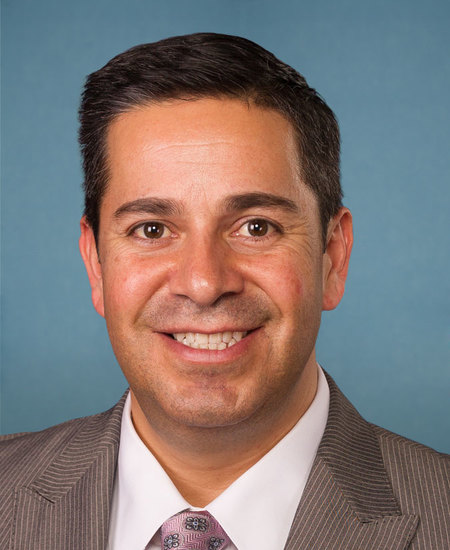
Ben Ray Luján
90% support rate
Top opponent
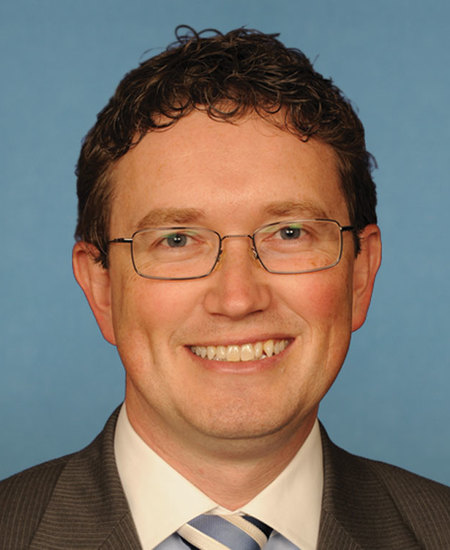
Thomas Massie
12% support rate
Ranked legislators
10
5 support · 5 oppose
Key legislators

Who's moving education in United States

Legislators moving education in United States
Legislator Party Stance Support rate Decisive votes
Ben Ray Luján
Ben Ray Luján Senate
D
Strong +
90% 10
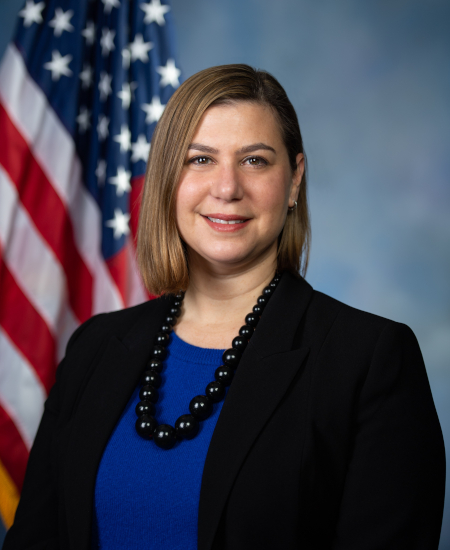
Elissa Slotkin
Elissa Slotkin Senate
D
Strong +
90% 10
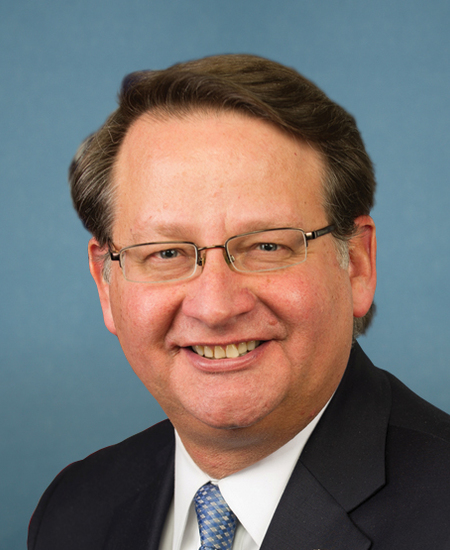
Gary C. Peters
Gary C. Peters Senate
D
Strong +
90% 10
John W. Hickenlooper
John W. Hickenlooper Senate
D
Strong +
90% 10
Maria Cantwell
Maria Cantwell Senate
D
Strong +
90% 10
Thomas Massie
Thomas Massie House · District 4
R
Strong −
12% 8
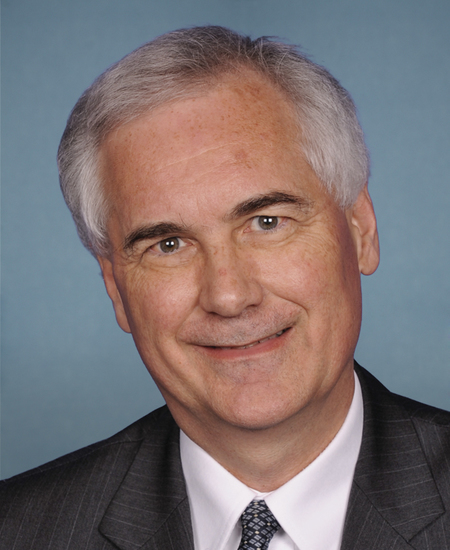
Tom McClintock
Tom McClintock House · District 5
R
Strong −
12% 8
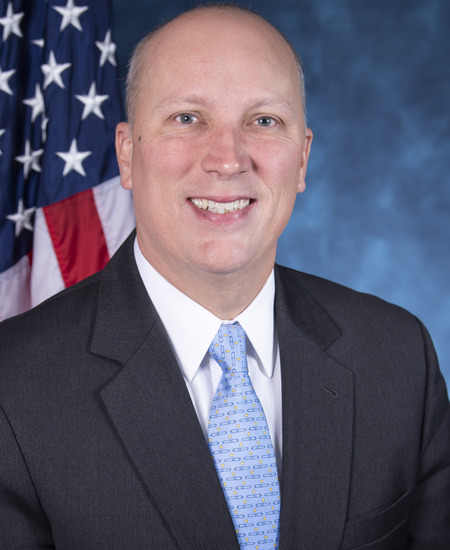
Chip Roy
Chip Roy House · District 21
R
Strong −
14% 7
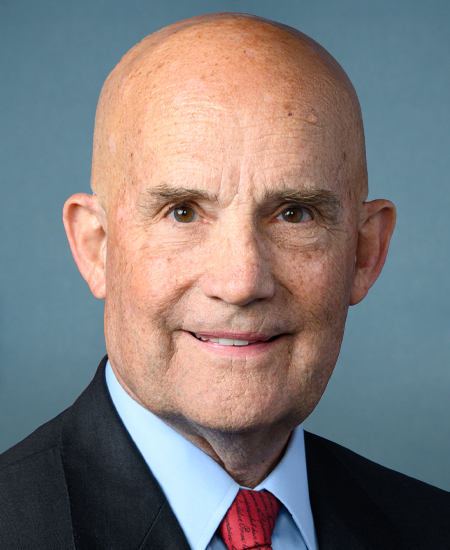
Andy Harris
Andy Harris House · District 1
R
Strong −
20% 10
Keith Self
Keith Self House · District 3
R
Strong −
20% 10
Showing 791–800 of 1,194 bills

All education bills

in committee · United States · Senate May 21, 2025

S 1832: College for All Act of 2025

College for All Act of 2025 This bill establishes measures to expand access to higher education, including by eliminating tuition and required fees for eligible students, revising the Federal Pell Grant program, and reauthorizing certain programs to assist students from disadvantaged backgrounds. Specifically, the bill provides funding to enable states and tribal colleges and universities, through a federal-state partnership, to eliminate tuition and required fees for (1) all students at community colleges and two-year tribal colleges and universities, and (2) working- and middle-class students at four-year public institutions of higher education and tribal colleges and universities. The bill provides funding to enable private, nonprofit historically Black colleges and universities and minority-serving institutions to eliminate tuition and required fees for eligible students. The bill permanently reauthorizes and otherwise revises the Federal Pell Grant program by providing funding to increase the maximum award for each eligible student, increasing the duration limit for the use of Pell Grants, allowing students to use their awards to cover living and nontuition expenses, and expanding eligibility to Dreamer students (i.e., students who have been granted Deferred Action for Childhood Arrivals status and who entered the United States before the age of 16) and students with other immigration statuses. Further, the bill requires the Department of Education to award grants to eligible states and tribal colleges and universities for improving student outcomes. The bill reauthorizes through FY2035 the Federal TRIO Programs and reauthorizes through FY2029 the Gaining Early Awareness and Readiness for Undergraduate Programs.
in committee · United States · Senate Apr 30, 2025

S 1534: Women and Underrepresented Minorities in STEM Booster Act of 2025

S 1534 establishes a National Science Foundation grant program to increase participation of women, underrepresented minorities (including Black, Hispanic, Native American, Asian subgroups, LGBTQ+ individuals), and people with disabilities in STEM fields. It authorizes $15 million annually (2026-2030) for competitive grants to fund specific activities like mentoring programs, internships, online workshops, K-12 outreach, and faculty recruitment. The program directly affects eligible educational institutions and organizations seeking to address documented disparities in STEM degree completion and workforce retention. Key provisions require grantees to target underrepresented groups identified through NSF data showing persistent gaps in enrollment, graduation, and career retention. The bill focuses on actionable support mechanisms rather than legislative changes.
Sub-Topics K-12 Education
in committee · United States · Senate Mar 12, 2025

S 993: School Lunch Debt Cancellation Act of 2025

This bill cancels all existing school meal debt owed by households for the National School Lunch Program and School Breakfast Program as of its enactment date. Within 180 days, the Secretary of Agriculture must eliminate this debt using Commodity Credit Corporation funds, paying local schools directly and confirming cancellation to affected households. It applies to households with outstanding balances under the Richard B. Russell National School Lunch Act and the Child Nutrition Act's breakfast program. The bill also updates funding rules to allow Commodity Credit Corporation funds for other nutrition programs like the Emergency Food Assistance Program.
Sub-Topics Student Health
in committee · United States · House Feb 4, 2025

HR 939: Student Empowerment Act

The Student Empowerment Act (HR 939) expands the use of 529 college savings plans to cover more K-12 education costs. It allows families to use these tax-advantaged savings for tuition, curriculum materials, books, online learning, approved tutoring (by licensed instructors), standardized test fees, dual enrollment, and educational therapies for students with disabilities. Homeschooling expenses are included if they meet state requirements. This change applies to distributions made after the bill's enactment, enabling tax-free savings for a broader range of elementary and secondary education expenses.
in committee · United States · Senate Jun 11, 2025

S 2028: Supporting Apprenticeship Colleges Act of 2025

S 2028, the Supporting Apprenticeship Colleges Act of 2025, provides federal grants to colleges offering construction and manufacturing apprenticeships to expand student recruitment and support services. It creates two grant programs: (1) community outreach grants (max $500,000 per college) to connect with high schools, employers in rural areas, and workforce boards - prioritizing rural, first-generation, minority, and nontraditional students; and (2) student support grants (max $500,000 per college) for advising, mental health services, childcare, and career development to improve program retention and completion. The bill authorizes $5 million annually (2026-2030) for these programs, targeting colleges that sponsor registered apprenticeships in construction or manufacturing. It directly affects eligible apprenticeship colleges by funding specific activities to grow enrollment and support underrepresented students in these fields.
in committee · United States · House Jan 30, 2026

HR 7302: Digital Literacy and Equity Act of 2026

The Digital Literacy and Equity Act of 2026 establishes a federal commission to study digital literacy and equity in the United States, with specific focus on low-income and disadvantaged communities as defined in the bill. The commission will examine current federal, state, and local programs; review international initiatives; and identify best practices to improve digital literacy skills, particularly through early education and community outreach. Within two years, the commission must submit a report to Congress with findings and recommendations, including strategies to expand digital literacy access in underserved areas and a proposed national measurement method for digital literacy. This bill creates a study framework but does not mandate immediate policy changes or funding.
Sub-Topics Broadband Access
in committee · United States · House Dec 2, 2025

HR 5731: School Food Modernization Act

HR 5731, the School Food Modernization Act, provides funding to help schools upgrade facilities and equipment for healthier meal programs. It authorizes $300 million in loan guarantees (covering up to 80% of costs) and $35 million annually for grants to support kitchen renovations, equipment purchases, and food safety improvements for local schools and tribal organizations. The bill also allocates $10 million yearly to fund training programs for school food service staff, developed by third-party organizations, to meet nutrition standards. These provisions directly affect public school districts, tribal schools, and their food service operations by enabling infrastructure upgrades and staff training.
Sub-Topics Student Health
in committee · United States · Senate Jan 21, 2025

S 169: Child Care Workforce and Facilities Act of 2025

This bill provides federal grants to states and tribal entities to address "child care deserts" - areas with insufficient affordable, quality child care - by funding two key initiatives. It offers grants for workforce development (helping child care providers earn portable credentials and supporting training for new workers, especially those without college degrees) and facility construction/expansion (funding building or renovating centers and family child care homes in underserved areas). Grants cover 50% of eligible costs, including tuition, equipment, and facility improvements, while requiring states to coordinate with existing workforce programs and prioritize nontraditional hours and affordability. The law aims to increase access to quality child care for families in underserved communities by directly supporting providers and infrastructure.
in committee · United States · House Dec 10, 2025

HR 6591: Computer Science for All Act of 2025

This bill authorizes $250 million over five years to fund grants for states, school districts, and eligible Tribal schools to expand computer science education. It requires grantees to provide computer science courses for all high school students within five years, create early access from pre-K through middle school, and implement plans to close equity gaps for underrepresented groups (including minority students, girls, and low-income youth). Grant funds must cover teacher training, high-quality learning materials, and targeted support for underrepresented students, with strict limits on equipment spending (max 15%). Grantees must report annually on student participation data disaggregated by race, gender, and socioeconomic status.
in committee · United States · House Dec 18, 2025

HR 4054: Accreditation Choice and Innovation Act

This bill amends the Higher Education Act to reform how accrediting agencies evaluate institutions of higher education. It establishes new criteria for accrediting agencies to demonstrate independence from trade associations, allows states to designate industry-specific quality assurance entities as accrediting agencies, and creates protections for religious institutions to maintain accreditation based on their religious mission. The bill requires accrediting agencies to use risk-based review processes that adjust oversight based on institutional performance, publicly share accreditation data, and provides religious institutions with a new process to challenge accreditation decisions they believe fail to respect their religious mission. These changes directly affect accrediting agencies, higher education institutions, and students by altering the accreditation evaluation process.
Showing 791 to 800 of 1,194 bills
Previous 1 79 80 81 120 Next