Issue · Education

Education

Every education bill, vote, and legislator stance in United States, automatically classified by Maddy, our AI policy reader.

Total bills
1,179
119th Congress
Top supporter
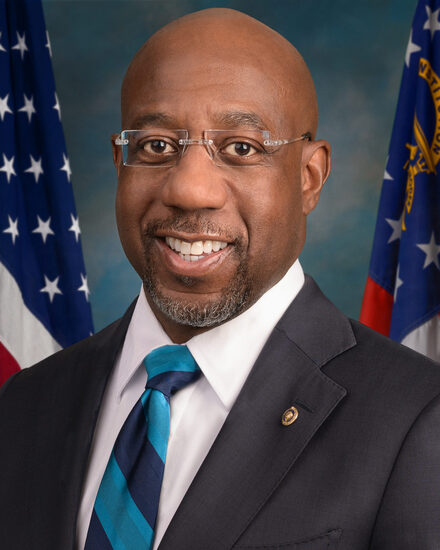
Raphael G. Warnock
100% support rate
Top opponent
Thomas Massie
14% support rate
Ranked legislators
10
5 support · 5 oppose
Key legislators

Who's moving education in United States

Legislators moving education in United States
Legislator Party Stance Support rate Votes
Raphael G. Warnock
Raphael G. Warnock Senate
D
Strong +
100% 167
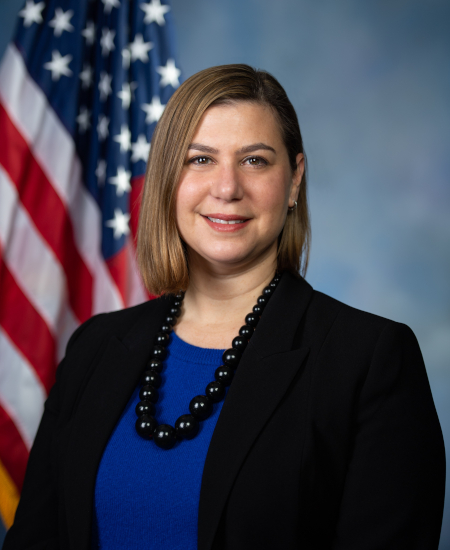
Elissa Slotkin
Elissa Slotkin Senate
D
Strong +
86% 166
Michael F. Bennet
Michael F. Bennet Senate
D
Strong +
86% 137
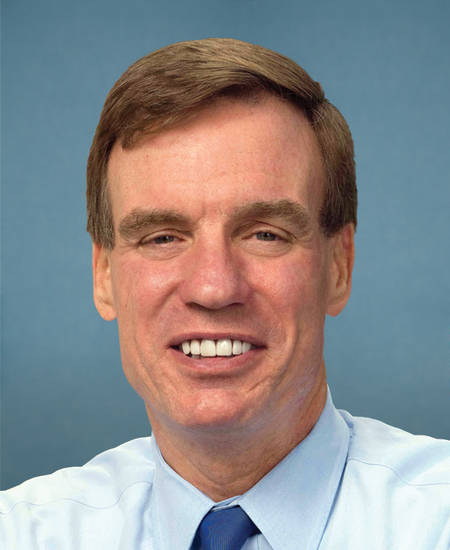
Mark R. Warner
Mark R. Warner Senate
D
Strong +
86% 167
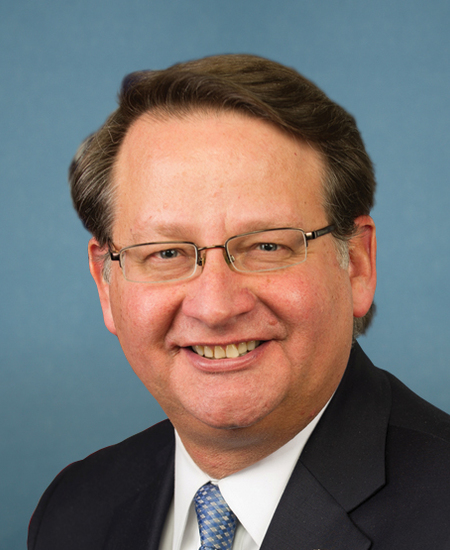
Gary C. Peters
Gary C. Peters Senate
D
Strong +
86% 167
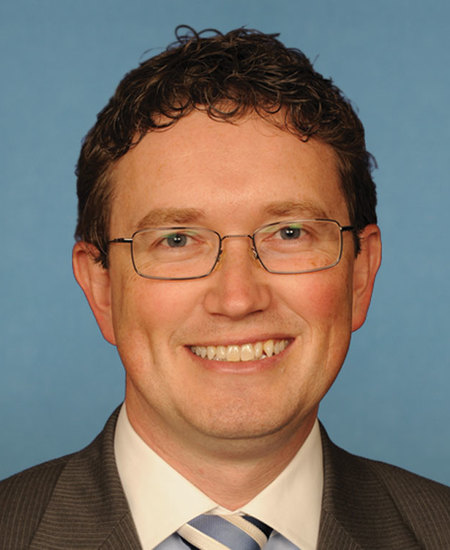
Thomas Massie
Thomas Massie House · District 4
R
Strong −
14% 126
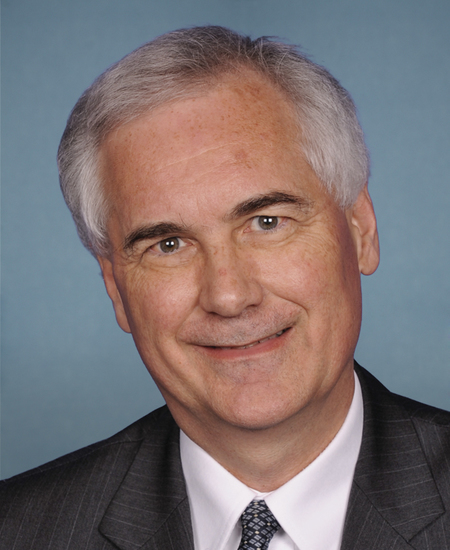
Tom McClintock
Tom McClintock House · District 5
R
Strong −
14% 125
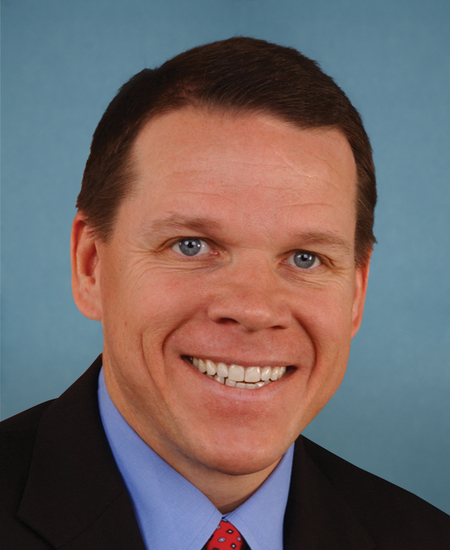
Sam Graves
Sam Graves House · District 6
R
Strong −
14% 124
Elijah Crane
Elijah Crane House · District 2
R
Strong −
14% 128
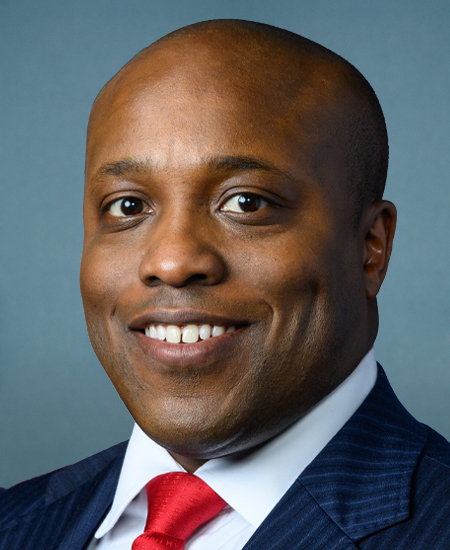
Wesley Hunt
Wesley Hunt House · District 38
R
Strong −
14% 109
Showing 61–70 of 1,179 bills

All education bills

passed · United States · Senate Aug 4, 2026

SRES 830: A resolution recognizing the 80th anniversary of the Fulbright Program.

This Senate resolution commemorates the 80th anniversary of the Fulbright Program, an initiative that facilitates international student and scholar exchanges in education, culture, and science. The bill formally acknowledges the program's role in promoting global goodwill and advancing U.S. foreign policy and national security through its extensive network of grants in over 160 countries. Additionally, it congratulates all past and present recipients of Fulbright awards and encourages people worldwide to pursue opportunities that foster international understanding and partnership.
in committee · United States · House Aug 3, 2026

HR 10043: Heritage Legacy Act

The Heritage Legacy Act directs the Secretary of Education to provide grants to Historically Black Colleges and Universities (HBCUs) in 2027 and subsequent years, with the grant amount equal to the total tuition charged to all qualified students at each institution. These funds must be used to offer direct scholarships to undergraduate students who are full-time enrollees and can prove they are descendants of individuals who were enslaved in the United States. To receive a scholarship, a student must provide documentation, such as census records, showing that at least one-quarter of their genes come from an ancestor who was enslaved, and the bill sets aside five percent of the funding to cover the costs of verifying these claims. Additionally, the legislation amends the Higher Education Act to ensure that scholarships awarded under this new program are excluded from calculations used to determine a student's financial aid index.
in committee · United States · Senate Jul 29, 2026

S 5165: POLAR Act

The POLAR Act establishes a new Directorate for Polar Programs within the National Science Foundation to oversee and advance scientific research, education, and infrastructure in the Arctic and Antarctica. This new directorate will manage logistics, support research stations and vessels, and coordinate with federal agencies and international partners to maintain a strong U.S. presence in these regions. The legislation authorizes the directorate to award grants and fellowships to universities, research institutions, and other entities, with a specific focus on incorporating indigenous knowledge and building a skilled workforce. Additionally, the act requires the creation of an advisory committee to guide program strategies and mandates annual reporting to Congress on funding priorities and progress.
in committee · United States · House Jul 27, 2026

HR 9973: Indigenous Students Excel through Parity Act of 2026 (II)

The Indigenous Students Excel through Parity Act of 2026 directs the Secretary of the Interior to update the funding formula for Bureau of Indian Education schools and tribally controlled schools by the end of 2027. This update requires matching teacher salaries to the highest quartile of state averages and includes specific adjustments for small rural schools and the Havasupai Elementary School. The bill also mandates that future federal budgets fully fund these programs, adjusting amounts annually for inflation and ensuring non-teacher staff receive pay increases equal to federal employees. Additionally, the Secretary must submit a report to Congress evaluating the current funding adequacy and offering recommendations for further improvements.
Sub-Topics K-12 Education School Funding Teachers Tags Tribal Nations
in committee · United States · Senate Jul 22, 2026

S 5068: Service Academy Parity Act

The Service Academy Parity Act establishes a competitive appointment system for the Coast Guard Academy, beginning in the 2029 academic year, to ensure fair selection of cadets alongside existing nomination methods. Under this new system, individuals nominated by the Vice President, Members of Congress, or the Coast Guard Commandant must meet minimum requirements and compete based on academic background, exam scores, and other indicators of success. The bill allocates specific slots for children of fallen or disabled service members, children of missing federal employees, and residents of each state and territory, with appointments made in order of merit within each group. Additionally, the law mandates that nominating officials be notified at least 48 hours before a cadet's appointment is announced to maintain transparency in the process.
in committee · United States · House Jul 27, 2026

HR 9971: Advancing International and Foreign Language Education Act

The Advancing International and Foreign Language Education Act amends the Higher Education Act to support research, innovation, and professional training in global education. It allows universities, libraries, and nonprofits to receive competitive grants for studying the capacity and demand for foreign language programs, as well as for developing new teaching methods and digital resources. The bill also expands funding for global business and professional education to help students gain international skills in fields like science, engineering, and law, while creating a national database to track education trends. Additionally, the legislation updates definitions to include community colleges and heritage students, and repeals certain existing programs to streamline requirements.
Sub-Topics Higher Education
in committee · United States · House Jul 2, 2026

HR 9587: Summer Meals REACH Act of 2026

The Summer Meals REACH Act of 2026 expands the Summer Food Service Program to allow all children to receive meals regardless of their income or residency status. It authorizes the distribution of these meals in noncongregate settings, such as homes or community centers, rather than requiring children to gather at specific locations. The bill mandates that states prioritize areas currently lacking congregate meal services and directs the Secretary of Agriculture to create new regulations ensuring the quality and integrity of these noncongregate meals within one year.
Sub-Topics Student Health
in committee · United States · Senate Jun 24, 2026

S 4918: Right Start Child Care and Education Act of 2026

The Right Start Child Care and Education Act of 2026 creates a new federal tax credit to support individuals working in licensed child care facilities. This credit provides up to $4,500 annually for workers with a bachelor's degree in early childhood education or related fields, $3,000 for those with an associate's degree, and $1,500 for other eligible providers. To qualify, workers must perform at least 1,200 hours of child care services per year at a licensed facility that is not primarily their home, and the bill limits the credit to a maximum of three consecutive years per individual. The legislation applies to tax years beginning after December 31, 2026.
Sub-Topics Tax Credits
in committee · United States · Senate Jul 23, 2026

S 5098: Enhancing K–12 Cybersecurity Act

The Enhancing K-12 Cybersecurity Act creates a new public website and database to help schools and school districts find cybersecurity tools, training, and federal funding opportunities. It also establishes a voluntary registry where schools can report cyber incidents to help identify trends and improve national monitoring. Additionally, the bill authorizes a program to deploy specific cybersecurity strategies and services to protect school systems from threats like ransomware. The Director of the Cybersecurity and Infrastructure Security Agency is tasked with running these initiatives in partnership with various government agencies and school leaders. Congress has authorized $10 million for each of fiscal years 2027 and 2028 to fund these efforts.
in committee · United States · House Jul 23, 2026

HR 9824: Daycare Not Detentions Act of 2026

The Daycare Not Detentions Act of 2026 provides additional funding to the Department of Health and Human Services to support child care programs, including the Child Care and Development Block Grant, Head Start, and preschool development grants. These funds are intended to help states and organizations cover necessary expenses for these programs through fiscal year 2029. The bill also rescinds $70 billion in previously allocated money for U.S. Customs and Border Protection and U.S. Immigration and Customs Enforcement that has not yet been spent. Overall, the legislation redirects federal resources toward early childhood education and care rather than immigration enforcement activities.
Showing 61 to 70 of 1,179 bills
Previous 1 6 7 8 118 Next