Issue · Education

Education

Every education bill, vote, and legislator stance in United States, automatically classified by Maddy, our AI policy reader.

Total bills
1,194
119th Congress
Top supporter
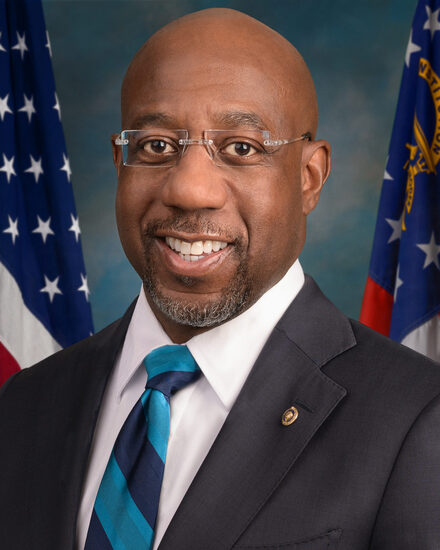
Raphael G. Warnock
100% support rate
Top opponent
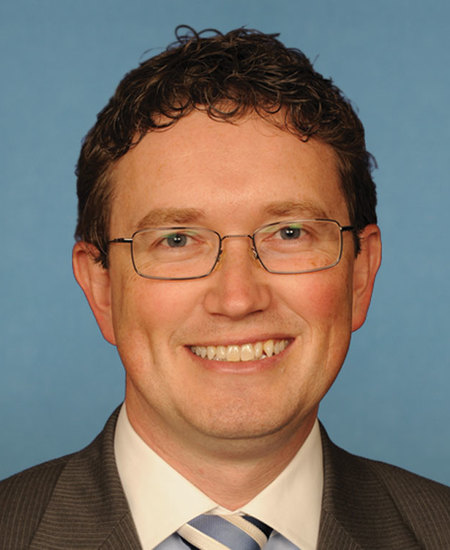
Thomas Massie
12% support rate
Ranked legislators
10
5 support · 5 oppose
Key legislators

Who's moving education in United States

Legislators moving education in United States
Legislator Party Stance Support rate Decisive votes
Raphael G. Warnock
Raphael G. Warnock Senate
D
Strong +
100% 6
Adam B. Schiff
Adam B. Schiff Senate
D
Strong +
86% 7
Angela D. Alsobrooks
Angela D. Alsobrooks Senate
D
Strong +
86% 7
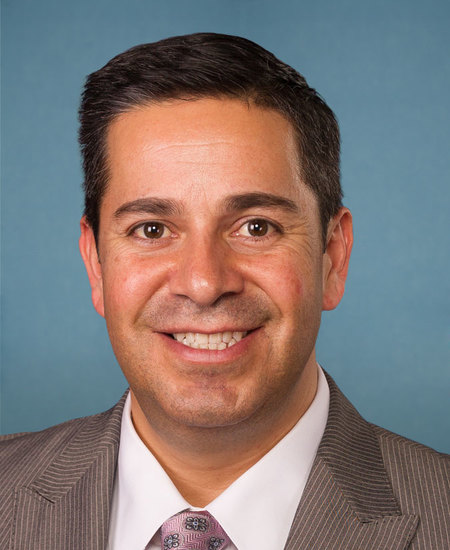
Ben Ray Luján
Ben Ray Luján Senate
D
Strong +
86% 7
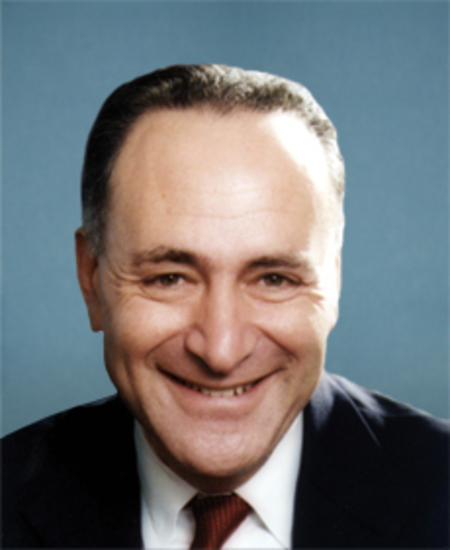
Charles E. Schumer
Charles E. Schumer Senate
D
Strong +
86% 7
Thomas Massie
Thomas Massie House · District 4
R
Strong −
12% 8
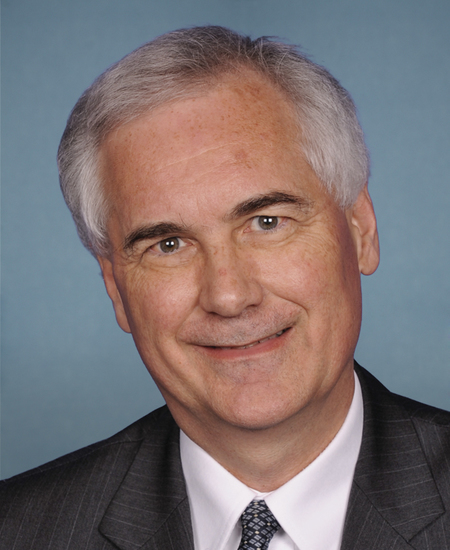
Tom McClintock
Tom McClintock House · District 5
R
Strong −
12% 8
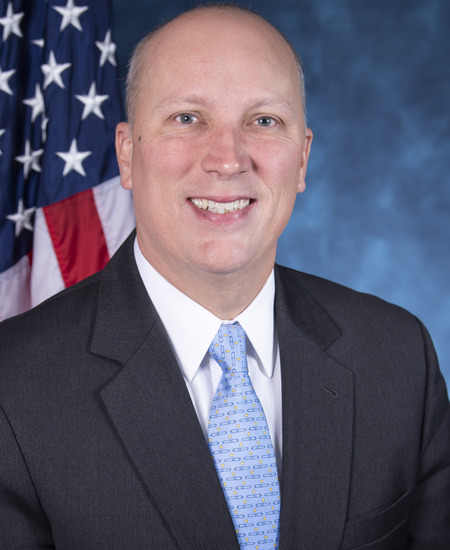
Chip Roy
Chip Roy House · District 21
R
Strong −
14% 7
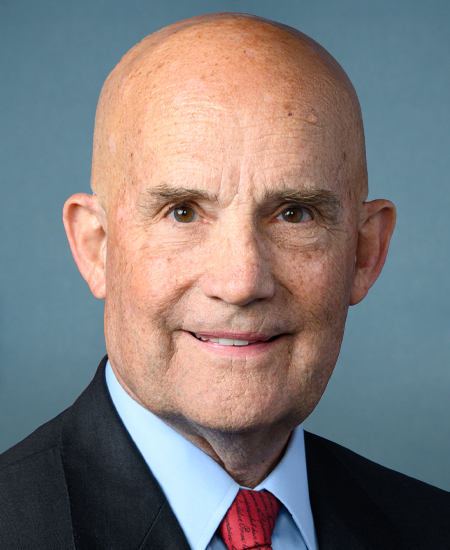
Andy Harris
Andy Harris House · District 1
R
Strong −
20% 10
Keith Self
Keith Self House · District 3
R
Strong −
20% 10
Showing 371–380 of 1,194 bills

All education bills

in committee · United States · Senate Mar 11, 2026

S 4056: Proprietary Education Oversight Task Force Act

This bill creates a new Proprietary Education Interagency Oversight Committee composed of representatives from multiple federal agencies including the Department of Education, Consumer Financial Protection Bureau, Department of Justice, and others. The committee will coordinate oversight of for-profit colleges that receive federal student aid, share complaint information among agencies, and publish an annual report on institutional performance and enforcement actions. The bill also establishes a 'For-Profit College Warning List' that would publicly identify institutions facing lawsuits, settlements, or federal assistance suspensions, requiring written responses from schools before publication.
in committee · United States · Senate Mar 11, 2026

S 4054: Every Student is a Citizen Act

This bill, titled the Every Student is a Citizen Act, amends the Elementary and Secondary Education Act of 1965 to increase funding and expand programs focused on American history and civics education. It authorizes $40 million annually for these activities and adds specific provisions to existing education programs. The bill allows schools to use funds for hands-on civic engagement like mock elections, lessons on the Constitution, media literacy training, and student participation in community governance and journalism. It also supports travel to government and historical sites, voter registration efforts, and respectful debate skills across diverse student groups.
in committee · United States · House Jul 21, 2026

HR 7994: HERO Act

This bill, known as the HERO Act, creates a federal grant program to help schools purchase opioid overdose reversal drugs and develop emergency response plans and educational resources for students and staff. Schools receiving federal funding would be required to report any distribution of these reversal drugs to federal tracking systems. The grants would be awarded competitively, with priority given to schools in areas with high rates of opioid overdoses, and recipients would need to submit annual reports on how they used the funds and implemented safety measures.
in committee · United States · House Mar 9, 2026

HR 7883: Addressing Teacher Shortages Act of 2026

This bill establishes the Addressing Teacher Shortages Act of 2026, which creates a federal grant program to help schools and districts prepare and retain educators in under-resourced and underserved communities. The program provides competitive grants to eligible entities for activities such as teaching residency programs, mentor teacher initiatives, Grow Your Own programs that recruit local community members, and 2+2 partnerships between community colleges and universities. Grant funds are specifically reserved to address shortages in rural areas, high-need subject areas like STEM and special education, and to diversify the teaching workforce. Recipients must provide matching funds and submit detailed reports on retention rates, licensure pass rates, and the percentage of teachers from underrepresented groups. The program authorizes funding from fiscal years 2027 through 2032 and includes provisions for planning grants for entities that have not previously received support.
in committee · United States · House Mar 24, 2026

HR 8039: Workforce and Education Partnership Act of 2026

This bill amends the Workforce Innovation and Opportunity Act to require state and local workforce development programs to create partnerships between educational institutions and employers. The changes apply to youth, adult, and local workforce development programs focused on high-demand occupations. These partnerships must aim to address specific education and skill needs identified through regional workforce analyses. The legislation affects state and local workforce boards, educational institutions, and employers by mandating collaborative program development.
in committee · United States · Senate Mar 23, 2026

SRES 658: A resolution expressing support for the designation of the week of April 6 through April 10, 2026, as "National Assistant Principals Week".

This resolution expresses support for designating the week of April 6 through April 10, 2026, as National Assistant Principals Week. It directly affects assistant principals in U.S. schools by formally recognizing their contributions to student success and school leadership. The bill honors the work of assistant principals who manage daily school operations, support teachers, maintain safe environments, and help ensure high-quality education for all students. It encourages communities to observe the week with ceremonies and activities that raise awareness about the important role assistant principals play in education.
Sub-Topics School Safety
in committee · United States · House Mar 18, 2026

HR 7989: ACE Act

This bill, known as the All Children are Equal Act, changes how federal education funds are distributed to local school districts under Title I of the Elementary and Secondary Education Act. It directly affects school districts that receive targeted grants and education finance incentive grants by adjusting the formula used to calculate how much money each district receives. The key change is that starting in fiscal year 2026, the bill will use only percentage-based weighting instead of the current dual system that also considers the absolute number of students, which the bill argues better targets funding to districts with high concentrations of economically disadvantaged students regardless of district size. This shift aims to ensure smaller districts with high poverty rates receive adequate funding without being disadvantaged by having fewer total students.
in committee · United States · Senate Mar 5, 2026

S 4018: GAAME Act of 2026

This bill, known as the Guarantee Access to Arts and Music Education Act of 2026, amends the Elementary and Secondary Education Act of 1965 to expand federal funding for arts and music programs in public schools. It requires that schools receiving federal education funds provide sequential, standards-based arts and music education taught by certified educators, including dance, theater, visual arts, and music. The legislation also allows schools designated for targeted assistance to use federal funds to support arts and music programs that address students' academic needs, covering costs for supplies, instruments, and teacher training. These changes directly affect public schools and school districts that receive funding under the Elementary and Secondary Education Act.
in committee · United States · House Apr 3, 2026

HR 7914: Agricultural Conservation Mentorship Act

This bill, titled the Agricultural Conservation Mentorship Act, amends the Food Security Act of 1985 to update the Experienced Services Program. It adds a new category of eligible activities that allows the program to support cooperative initiatives aimed at improving higher education teaching programs, specifically including paid work-based learning opportunities at colleges and universities. The legislation also clarifies definitions for institutions of higher education, land-grant colleges and universities, and work-based learning by referencing existing laws. These changes expand the scope of services the program can provide to better support agricultural education and training within higher education institutions.
Tags Agriculture
in committee · United States · House Mar 19, 2026

HR 7999: Breakfast After the Bell Act of 2026

This bill, known as the Breakfast After the Bell Act of 2026, provides additional funding to schools that serve breakfast to students after the school day begins. It directly affects local educational agencies and schools that participate in breakfast programs using specific service models, such as serving meals in classrooms or at kiosks outside cafeterias. Under the bill, schools would receive an extra 10 cents for each breakfast served that meets the program requirements, with funds flowing from the state educational agency to the individual school. Eligibility is limited to schools either receiving special assistance payments or having at least 40 percent of enrolled students identified as eligible for free or reduced-price meals in the prior school year. The legislation amends the existing Richard B. Russell National School Lunch Act to establish this new reimbursement category.
Sub-Topics Student Health
Showing 371 to 380 of 1,194 bills
Previous 1 37 38 39 120 Next