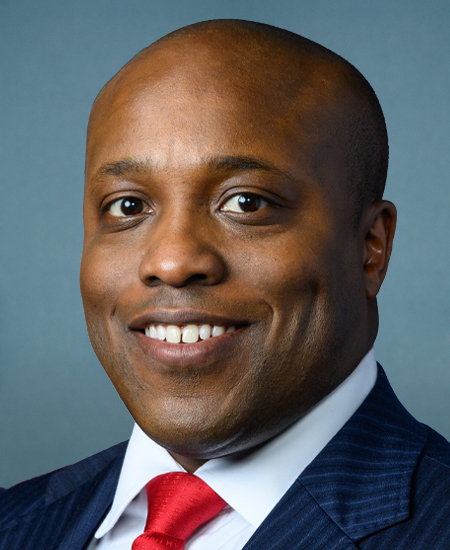
The Family Leave for Parental Involvement in Education Act amends the Family and Medical Leave Act to grant eligible private-sector employees up to 48 hours of unpaid leave per year to attend school conferences or activities for their children or grandchildren. This additional time is capped at 8 hours within any 30-day period and can be taken in intermittent blocks rather than all at once. Employers may require employees to use accrued paid vacation, personal, or sick leave instead of taking this unpaid time off. The bill also extends similar leave provisions to federal employees, allowing them to substitute accumulated annual or sick leave for the new parental involvement entitlements.
The High School Voter Empowerment Act of 2026 requires all public high schools in the United States to be designated as voter registration agencies under federal law. Schools must conduct at least one voter registration drive each academic year, with a specific goal of registering eligible students who are at least 17 years old and enrolled in American Government or Economics classes. To support these efforts, the Department of Education would establish a grant program that reimburses schools for the reasonable costs associated with running these drives. Additionally, state election officials may provide voting machines to schools upon request for use in student council elections.
The Head Start Expansion and Improvement Act of 2026 broadens eligibility for early childhood education services by including recipients of various public assistance programs, such as food stamps and Medicaid, in the definition of qualifying families. The bill authorizes $36 billion annually from fiscal years 2027 through 2032 to support these expanded operations and creates a separate grant program providing $1 billion per year until 2030 for agencies to repair or upgrade aging facilities with safety hazards. Additionally, the legislation establishes a loan forgiveness program that cancels federal student loans for childcare workers who complete three years of full-time service in Head Start or Early Head Start programs. Finally, it authorizes $6.8 billion annually through 2032 to provide salary supplements to Head Start employees, with funding allocated based on local wage gaps and cost-of-living factors.
The Green New Deal for Public Schools Act directs over $700 billion in federal funding to public schools, prioritizing those serving the most vulnerable communities based on CDC social vulnerability rankings. The legislation establishes a new Office of Sustainable Schools and authorizes grants for "healthy green retrofits" that convert school buildings into zero-carbon facilities with clean air, water, and energy systems, while also providing funds to hire additional educators, mental health professionals, and support staff. Additionally, the bill mandates increased federal funding for special education under the Individuals with Disabilities Education Act and creates a climate resiliency program that allows schools to function as community centers during natural disasters. All grant recipients must adhere to strict labor standards, including prevailing wage requirements, Buy American provisions, and local hiring goals that prioritize residents of the surrounding community.
The Protecting Student Athletes from Unexpected Tax Liability Act requires companies to withhold 30 percent of income tax from payments made for a student athlete's name, image, and likeness. This rule treats these specific commercial payments as if they were standard wages, even though the athletes are not classified as employees. The bill also waives penalties for underpaid taxes in the first year a student athlete is subject to this new withholding requirement. To ensure the policy works effectively, the Treasury Department must report to Congress by 2029 on whether the 30 percent rate is appropriate and how well companies are complying with the law.
This bill prohibits the Department of Education from transferring specific program functions to other federal agencies, focusing on offices that manage special education, postsecondary education, Indian education, and elementary and secondary education. It blocks new interagency agreements for these areas but allows existing contracts in place as of February 1, 2025, to continue or be renewed with similar terms. The legislation also requires the Secretary of Education to submit quarterly cost reports to Congress detailing the financial impact of any new interagency arrangements made after that date. Finally, it restricts the use of certain administrative travel funds for the Secretary until these required cost analyses are provided.
The SHIELD Act would prohibit local school districts that receive federal education funds from allowing organizations that provide abortions to distribute information about those services to students on school grounds or through the district's virtual platforms. This ban specifically covers sharing or reposting such materials on social media on behalf of outside abortion providers. The bill defines "abortion-related service" as any medical, surgical, or support care directly related to terminating a pregnancy.
The Back-to-School Supplies Affordability Act prevents new tariffs from being applied to specific school supplies and educational materials, ensuring their prices remain at levels seen before January 19, 2025. This legislation directly affects students, families, teachers, and schools by exempting items such as notebooks, backpacks, pencils, pens, and certain electronic devices from increased import duties. The Secretary of Commerce is tasked with designating additional classroom items for this exemption in coordination with the Secretary of Education, while providing regular reports to Congress on the covered products. To maintain legislative oversight, the bill includes a mechanism allowing Congress to pass a joint resolution to disapprove any specific item designated for tariff exemption by the executive branch.
The Summer Meals and Learning Act of 2026 authorizes the Department of Education to provide competitive grants to state library agencies, which then distribute subgrants to local school districts for summer early reading programs. These funds are specifically targeted at schools that operate summer meal sites and have a significant portion of their young students struggling with or at risk of falling behind in reading. The bill requires participating schools to offer at least six weeks of literacy activities and expanded learning opportunities, including access to the school library, while encouraging collaboration with community partners. Appropriations for this initiative are authorized at $5 million annually from fiscal years 2027 through 2031.
The Cooperative Institute Act of 2026 establishes a formal program for the National Oceanic and Atmospheric Administration (NOAA) to partner with non-federal academic and nonprofit research institutions. These partnerships, known as Cooperative Institutes, are designed to conduct collaborative research, support student and postdoctoral training, and expand scientific capacity in areas relevant to NOAA's mission. The bill authorizes five-year funding awards for these institutes, which can be renewed for an additional five years following a peer-reviewed performance assessment. It also sets specific procedures for selecting new partners through open competition or limited pools, allows for the co-location of federal and institutional staff, and requires detailed reports to Congress before any existing partnership is terminated or allowed to expire.