Issue · Education

Education

Every education bill, vote, and legislator stance in United States, automatically classified by Maddy, our AI policy reader.

Total bills
1,179
119th Congress
Top supporter
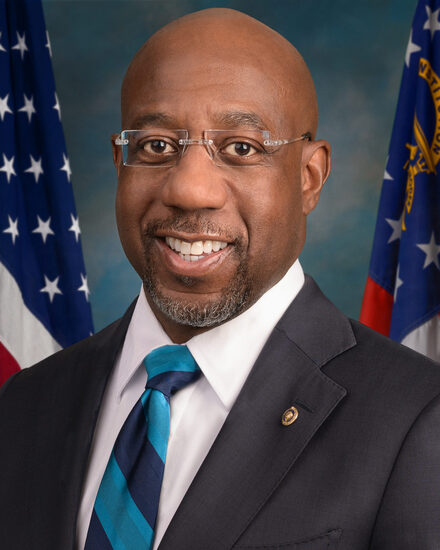
Raphael G. Warnock
100% support rate
Top opponent
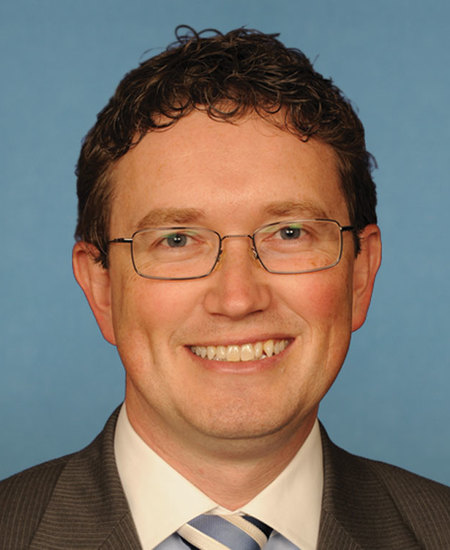
Thomas Massie
14% support rate
Ranked legislators
10
5 support · 5 oppose
Key legislators

Who's moving education in United States

Legislators moving education in United States
Legislator Party Stance Support rate Votes
Raphael G. Warnock
Raphael G. Warnock Senate
D
Strong +
100% 167
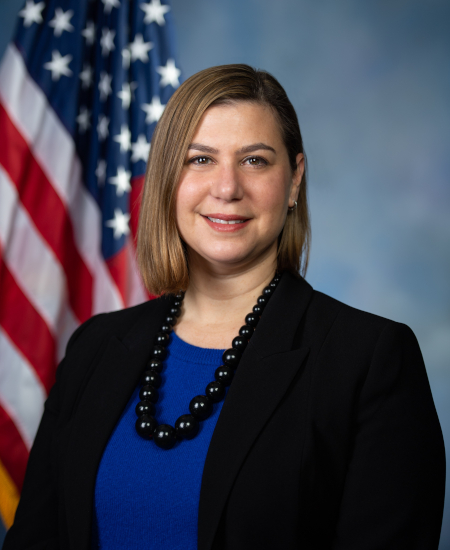
Elissa Slotkin
Elissa Slotkin Senate
D
Strong +
86% 166
Michael F. Bennet
Michael F. Bennet Senate
D
Strong +
86% 137
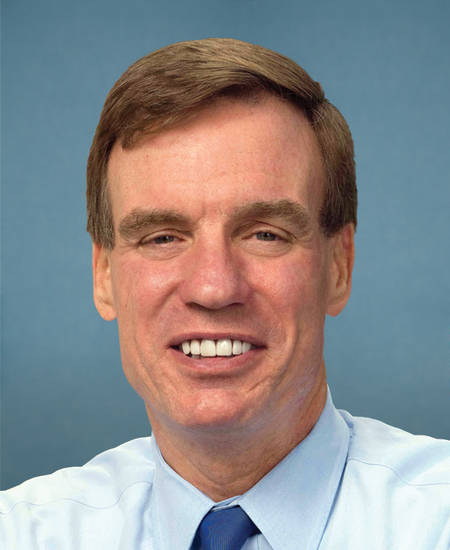
Mark R. Warner
Mark R. Warner Senate
D
Strong +
86% 167
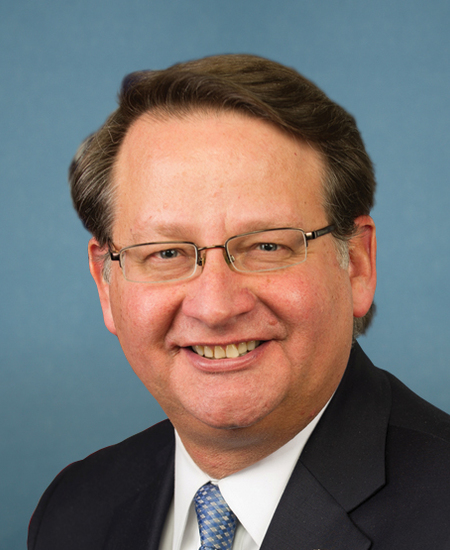
Gary C. Peters
Gary C. Peters Senate
D
Strong +
86% 167
Thomas Massie
Thomas Massie House · District 4
R
Strong −
14% 126
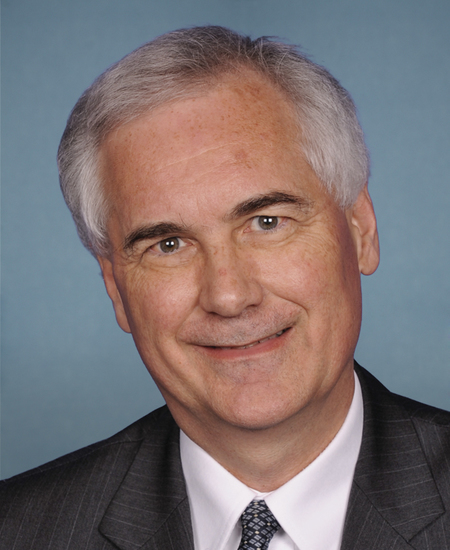
Tom McClintock
Tom McClintock House · District 5
R
Strong −
14% 125
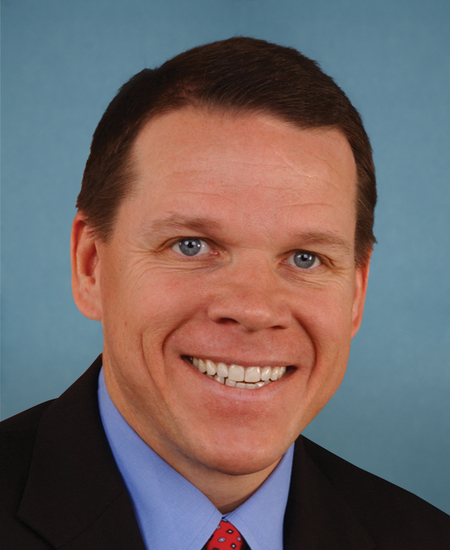
Sam Graves
Sam Graves House · District 6
R
Strong −
14% 124
Elijah Crane
Elijah Crane House · District 2
R
Strong −
14% 128
Wesley Hunt
Wesley Hunt House · District 38
R
Strong −
14% 109
Showing 131–140 of 1,179 bills

All education bills

in committee · United States · House Jun 8, 2026

HR 9196: Helen Keller Education Act

The Helen Keller Education Act aims to improve educational outcomes for children with deafblindness by requiring states to identify and serve these students regardless of how they are currently classified. The bill mandates that schools evaluate deafblind children using qualified professionals who understand their unique communication needs, including tactile sign language and other non-symbolic methods. It also establishes new requirements for state plans to ensure sufficient availability of specialized teachers and interveners, while providing technical assistance and updated policy guidance to parents and educators. Additionally, the legislation strengthens early intervention services for infants and toddlers with deafblindness by including specific language and communication goals in their individualized plans.
in committee · United States · House Jun 25, 2026

HR 9474: Local Foods for Healthy Schools Act of 2026

The Local Foods for Healthy Schools Act of 2026 creates a new program to help state and local governments purchase and distribute food grown within 400 miles of schools. This initiative provides $200 million annually to eligible state agencies, which can either buy local produce directly or give funds to school districts for that purpose. The bill defines local foods as minimally processed agricultural products and requires recipients to submit reports on their purchases while ensuring funds supplement rather than replace existing state support.
in committee · United States · House Jun 25, 2026

HR 9469: Outcomes-Based Financing (OBF) for Students Act

This bill establishes a new category of student loans called Outcomes-Based Financing (OBF) products, which allow borrowers to repay their debt based on their future income rather than a fixed schedule. It directly affects students, lenders, and educational institutions by creating specific tax rules that treat OBF payments similarly to interest and educational assistance. The legislation mandates strict consumer protections, requiring lenders to disclose key terms like income thresholds and payment calculations, while also capping monthly payments at 20% of a borrower's income and setting a maximum loan duration of 360 months. Additionally, the bill preempts conflicting state laws regarding interest rates and payment structures to ensure uniformity for these new financial products.
in committee · United States · Senate Jun 16, 2026

S 4797: Fresh Starts for Foster Youth Act

The Fresh Starts for Foster Youth Act amends federal law to require states to include legal counseling services for foster youth and to certify that their care plans address specific legal issues like housing, education, and family connections. This legislation directly affects the John H. Chafee Foster Care Program by updating how states must plan for the transition of foster youth into adulthood. The bill takes effect one year after enactment, with a provision allowing a delay if a state needs time to pass new laws to meet these updated requirements.
Tags Children
in committee · United States · House Jun 24, 2026

HRES 1386: Providing for the consideration of the bill (H.R. 2003) to amend the Higher Education Act of 1965 to lower the interest rate on Federal student loans to 2 percent.

This resolution does not change any laws or affect students directly; instead, it sets up a special voting procedure to consider a separate bill, H.R. 2003. That underlying bill would amend the Higher Education Act to lower the interest rate on federal student loans to 2 percent. The resolution waives standard debate rules and points of order to allow H.R. 2003 to be voted on quickly with limited discussion time.
in committee · United States · House Jun 18, 2026

HR 9344: EDUCATE Act of 2026

The EDUCATE Act of 2026 directs the National Institute of Food and Agriculture to create a grant program for universities to research marijuana cultivation and processing, with a specific focus on soil health, sustainability, and economic opportunities for minority farmers. This legislation also establishes a scholarship program to support students pursuing careers in marijuana agriculture and requires that at least 25% of the research funding be reserved for Hispanic-serving institutions. To encourage participation, the bill includes protections ensuring that institutions and individuals conducting federally authorized marijuana research cannot face denial of benefits or federal prosecution solely for their work. The program is authorized for five years, with $5 million allocated annually for research grants and $100,000 annually for scholarships, and recipients must agree to comply with all applicable federal laws regarding marijuana.
in committee · United States · House Jun 11, 2026

HR 9300: Postsecondary Student Success Act of 2026

The Postsecondary Student Success Act of 2026 creates a competitive grant program to help colleges improve graduation rates for high-need students, including those from low-income backgrounds, first-generation families, and military-connected individuals. To receive funding between 2027 and 2032, eligible institutions must submit plans detailing how they will use evidence-based strategies, such as better advising, accelerated learning options, and improved transfer pathways, to support student retention and completion. The law requires that at least 20 percent of the available funds go to projects using the most rigorously tested methods and mandates that 2 percent be reserved specifically for Tribal Colleges and Universities. Additionally, the Department of Education must evaluate the effectiveness of these programs and report the results to Congress within 18 months of the bill's enactment.
in committee · United States · House Jun 25, 2026

HR 9467: Green Ribbon Act of 2026

The Green Ribbon Act of 2026 establishes a new program to recognize schools and nonformal learning institutions that achieve high performance in environmental literacy, reducing their carbon footprint, and ensuring a positive impact on the health of their students and staff. Under this bill, the Department of Education would award grants to state agencies to support schools in meeting these goals, while the Institute of Museum and Library Services would create a similar award program for libraries, museums, and nature centers. The legislation also creates a new office within the Department of Education dedicated to providing technical assistance and resources for sustainable school infrastructure and facilities. Key provisions include setting aside specific funds for underresourced schools and Bureau of Indian Education schools, as well as requiring annual reports on the program's progress and outcomes.
Sub-Topics Libraries
in committee · United States · Senate Jun 17, 2026

S 4810: CHIPS Training in America Act of 2026

The CHIPS Training in America Act of 2026 strengthens the existing CHIPS and Science Act by creating a centralized online database for microelectronics education and workforce information. It directs federal agencies to develop a five-year national strategy to coordinate training programs, ensuring alignment with industry needs and other STEM initiatives. Additionally, the bill authorizes competitive grants of up to $7 million to support colleges and vocational schools in expanding semiconductor-related training, with a focus on recruiting individuals facing employment barriers. To maintain consistency, the legislation prohibits federal agencies from creating duplicate clearinghouses and requires regular public reporting on program outcomes and participant demographics.
in committee · United States · House Jul 6, 2026

HR 9351: COMPASS Act

The COMPASS Act expands protections for military families under the Servicemembers Civil Relief Act to ensure uninterrupted schooling during permanent relocations. It allows a dependent child of a servicemember to be considered compliant with a new state's homeschooling laws if they were already following the rules of their previous state or their legal residence. This change aims to reduce administrative burdens and prevent conflicting state requirements from penalizing military families who move frequently. By aligning these rules with existing federal protections, the bill seeks to support family stability and the readiness of servicemembers during transitions.
Showing 131 to 140 of 1,179 bills
Previous 1 13 14 15 118 Next