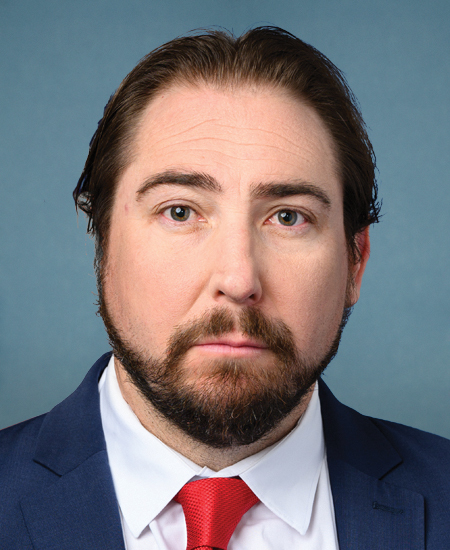
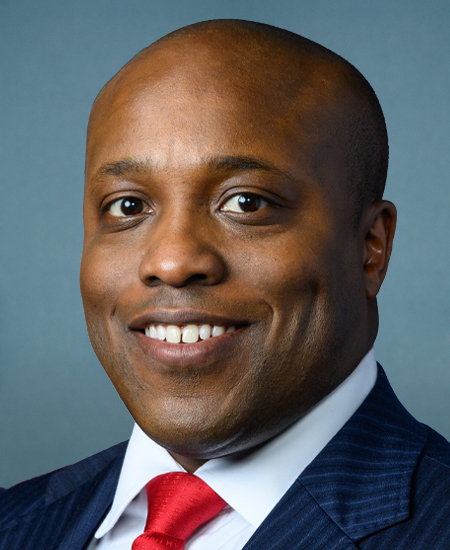
The Keep Kids in School Act creates a federal grant program to help public schools reduce chronic absenteeism and improve safety for students. The Department of Education will provide funds to states, which will then distribute money to local school districts for specific interventions like hiring counselors, offering teacher stipends for home visits, and covering transportation costs. The bill defines chronic absenteeism as missing 10 percent or more of school days and prioritizes funding for states with the highest rates of absenteeism among vulnerable student populations. Additionally, the act requires the Comptroller General to conduct a study on effective methods for reducing absenteeism and improving student well-being, with findings reported to Congress and the Education Department.
The National Fab Lab Network Act of 2026 establishes a new nonprofit corporation to create a nationwide network of digital fabrication facilities, known as fab labs, with a specific goal of placing at least one in every congressional district while prioritizing underserved communities. This independent organization will coordinate the expansion of these labs, which contain tools for 3D printing and electronics manufacturing, and serve as a resource for training leaders and maintaining a national registry. The bill mandates that the corporation's board includes representatives from diverse sectors such as education, Tribal communities, and the private sector, with initial members appointed by congressional leaders. Additionally, the nonprofit is authorized to accept private and government funding to distribute to local partners for establishing and operating these facilities, while it must submit annual activity reports to relevant congressional committees.
The Summer for All Act authorizes the Secretary of Health and Human Services to provide competitive grants to organizations and state agencies for creating affordable, high-quality summer programs for youth aged 5 to 22. These grants prioritize serving low-income, rural, and underserved populations, including English learners, students with disabilities, and those experiencing homelessness, by offering free programming that includes academic enrichment, health activities, and social support. The legislation allocates $4 billion over four years, with the majority of funds designated for direct community programs and a smaller portion for state-level planning to expand access and improve program quality. Recipients must use the funds to provide safe, supervised environments during the summer months and are required to submit annual reports detailing how the money was spent and how many youth were served.
The Green Ribbon Act of 2026 establishes a new program to recognize schools and non-formal learning institutions that meet specific goals for environmental literacy, emission reductions, and positive impacts on student and staff health. Under this act, the Department of Education will award grants to states and provide $10,000 honoraria to schools that demonstrate high performance in these three areas, while also creating a similar award program for museums, libraries, and other cultural institutions. The legislation creates a new office within the Department of Education to oversee technical assistance and training for sustainable school infrastructure, ensuring that under-resourced schools receive at least 40 percent of grant funding. Additionally, the bill requires the Department to update its award criteria within six months to align with health standards from the EPA and CDC and mandates annual reports on the program's progress and impact.
The PUPIL Act directs the Secretary of Education to commission a study by the National Academies of Sciences, Engineering, and Medicine on the workforce of paraprofessionals and education support staff in U.S. schools. This study will examine the roles, qualifications, compensation, and effectiveness of these workers, who include clerical, maintenance, and student service employees supporting over 54 million students. The report will also analyze salary data against local cost of living and review different employment models, such as outsourcing, to provide recommendations for improving job stability and educational outcomes. To fund this research, the bill authorizes $2 million in federal appropriations.
This Senate resolution honors the significant contributions of Black people to American musical history and formally designates June 2026 as Black Music Month. The bill highlights the diverse genres created by Black artists, from spirituals and jazz to hip-hop and rock, while acknowledging the obstacles these pioneers overcame to gain recognition. Additionally, the resolution addresses disparities in music education by noting that Black and low-income students often have less access to culturally relevant programs and lower participation rates in school music activities. By recognizing these achievements and educational gaps, the Senate aims to encourage greater inclusion and support for music education among Black students.
This resolution seeks to impeach Linda M. McMahon, the Secretary of Education, for three specific articles of misconduct: willfully violating federal laws, making false statements to Congress, and breaching the public trust. The bill alleges that McMahon illegally transferred the operations of six essential offices within the Department of Education to other federal agencies without congressional approval, contrary to the Department of Education Organization Act. It also claims she misled the Senate by promising to spend all congressionally appropriated funds while simultaneously canceling hundreds of grants and freezing funding for various educational programs. Additionally, the resolution accuses her of terminating approximately 2,000 employees, which disrupted the department's ability to manage federal funds and deliver services. If the House votes to adopt this resolution, the articles of impeachment would be sent to the Senate for a trial that could result in her removal from office.
This resolution celebrates the progress made under Title IX of the Education Amendments of 1972, which prohibits sex discrimination in federally funded education programs. It acknowledges the law's role in increasing graduation rates, expanding access to nontraditional fields, and improving athletic opportunities for women and girls. The document calls on the executive branch to protect students from discrimination based on sex, pregnancy, sexual orientation, and gender identity while condemning efforts to use the law to harm transgender and nonbinary students. Additionally, it urges the transfer of Title IX enforcement authority to remain within the Department of Education rather than the Department of Justice.
The Affordable Youth Enrichment Opportunities Act creates a new tax deduction allowing individuals to claim up to $5,000 for expenses related to youth programs for dependents under age 19. These eligible programs include tutoring, academic enrichment, athletics, and the arts, covering costs such as fees, equipment, and digital platform access. The deduction is subject to income limits, phasing out for taxpayers with modified adjusted gross income exceeding $100,000 to $200,000 depending on filing status, and cannot be claimed if the dependent is already claimed by another taxpayer. The provision applies to taxable years beginning after December 31, 2026, with the dollar amounts subject to inflation adjustments after 2027.
This resolution formally acknowledges the Black Women Best framework, a policy blueprint designed to address historical economic disparities faced by Black women in the United States. It highlights specific strategies such as implementing guaranteed income, expanding tax credits, improving healthcare access, removing police from schools, and prioritizing restorative justice. The measure serves as a non-binding statement of support rather than a law that directly changes federal programs or mandates new actions. By recognizing this framework, the House encourages policymakers to use it as a guide for creating more equitable legislation that centers the lived experiences of Black women.