Issue · Budget & Taxes

Budget & Taxes

Every budget & taxes bill, vote, and legislator stance in United States, automatically classified by Maddy, our AI policy reader.

Total bills
2,349
119th Congress
Top supporter
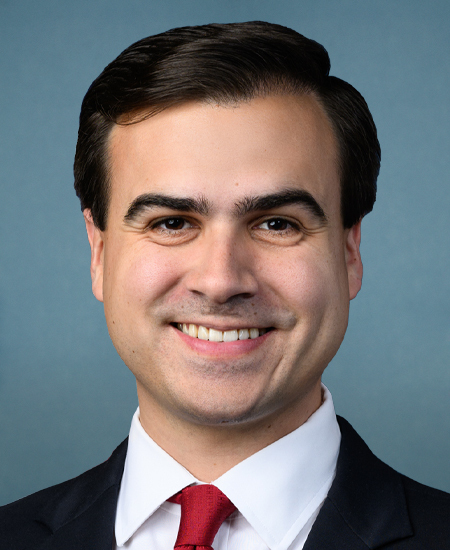
Clay Fuller
86% support rate
Top opponent
Eleanor Holmes Norton
0% support rate
Ranked legislators
10
5 support · 5 oppose
Key legislators

Who's moving budget & taxes in United States

Legislators moving budget & taxes in United States
Legislator Party Stance Support rate Votes
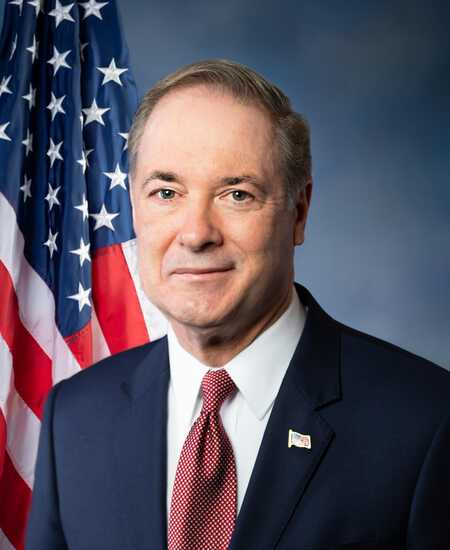
Clay Fuller
Clay Fuller House · District 14
R
Strong +
86% 55
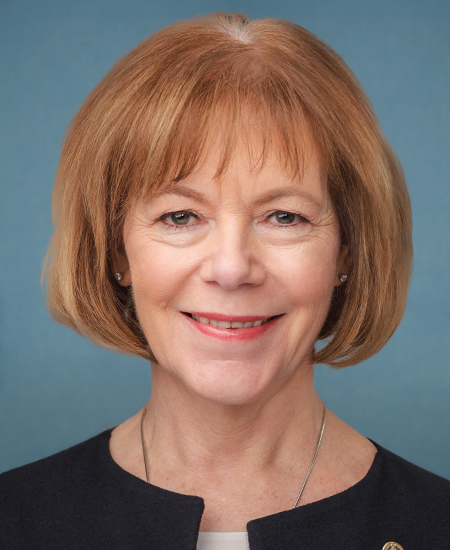
Tina Smith
Tina Smith Senate
D
Strong +
83% 251
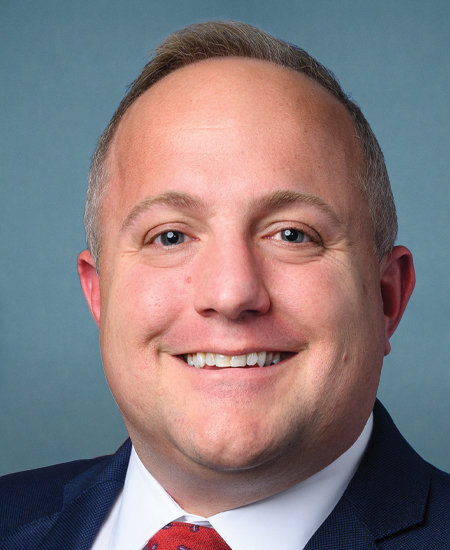
Andrew Ogles
Andrew Ogles House · District 5
R
Strong +
83% 175
Russell Fry
Russell Fry House · District 7
R
Strong +
82% 186
John Joyce
John Joyce House · District 13
R
Strong +
82% 185
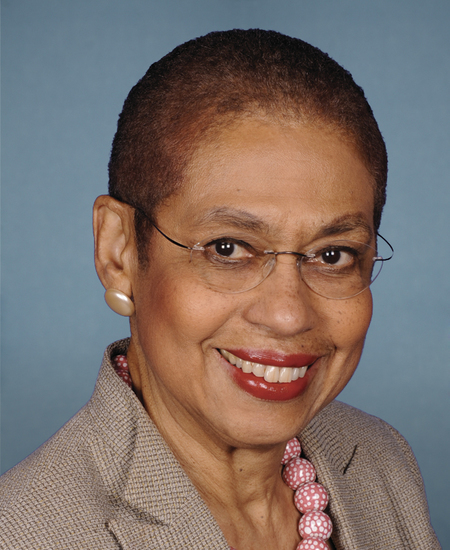
Eleanor Holmes Norton
Eleanor Holmes Norton House · District At-Large
D
Strong −
0% 46
Pablo José Hernández
Pablo José Hernández House · District At-Large
D
Strong −
7% 46
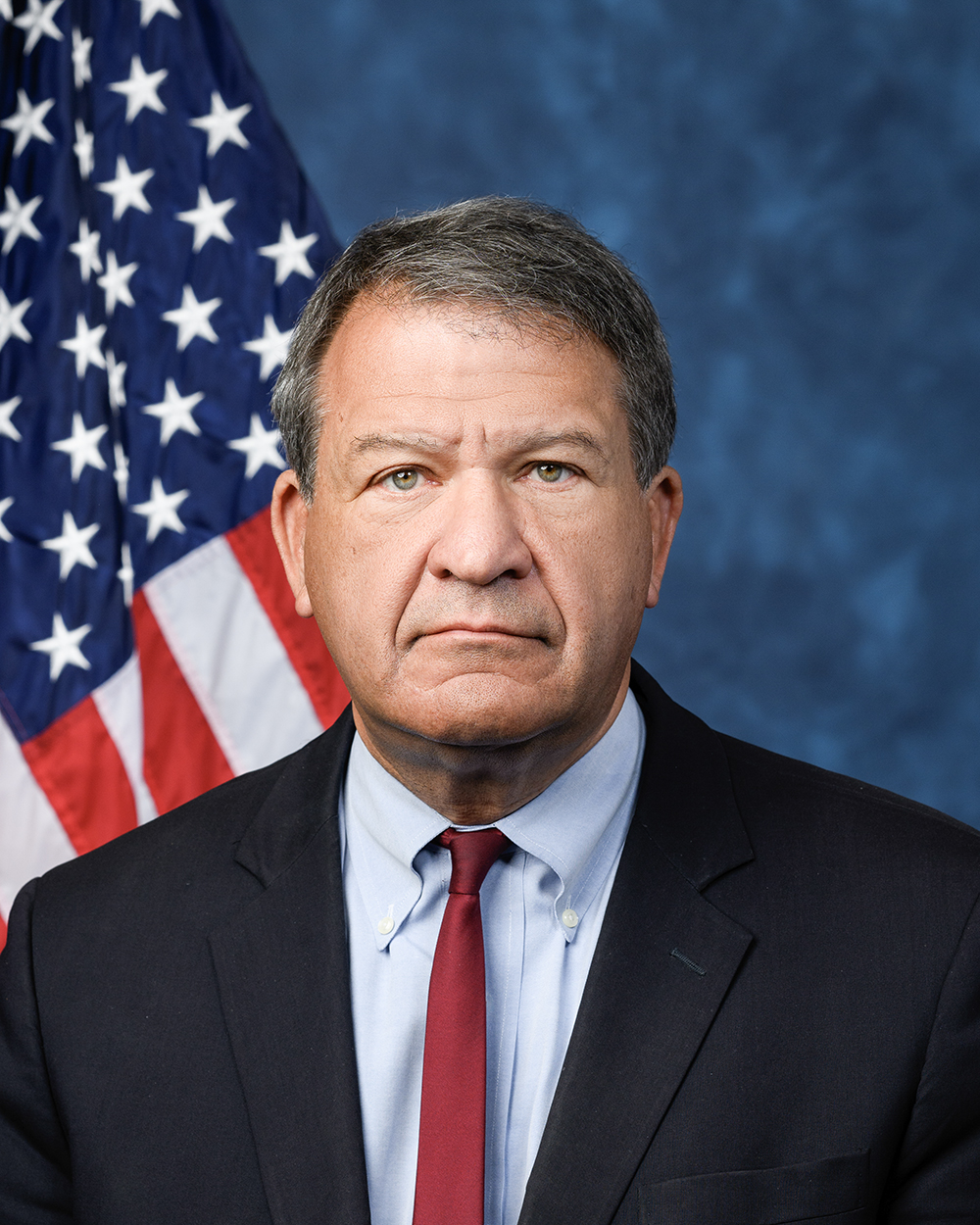
George Latimer
George Latimer House · District 16
D
Strong −
14% 181
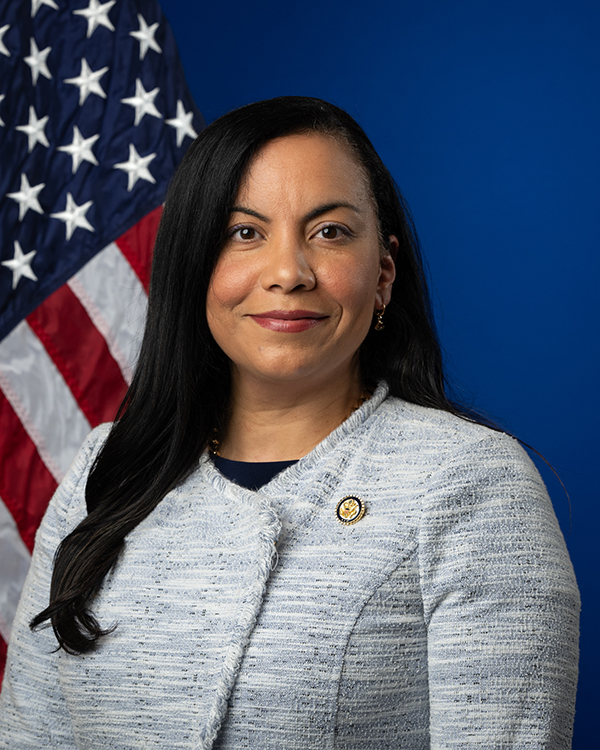
Analilia Mejia
Analilia Mejia House · District 11
D
Strong −
14% 52
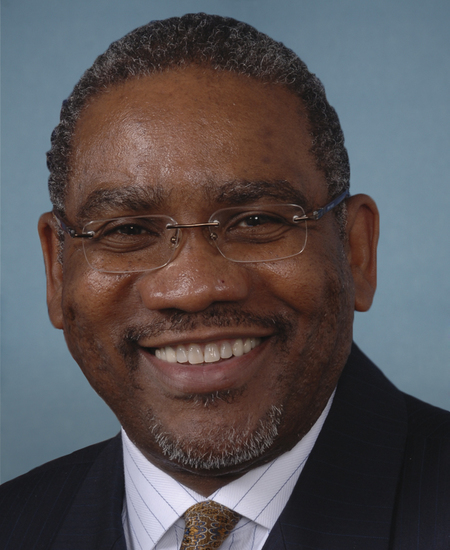
Gregory W. Meeks
Gregory W. Meeks House · District 5
D
Strong −
14% 181
Showing 81–90 of 2,349 bills

All budget & taxes bills

in committee · United States · House Jul 23, 2026

HR 9936: PERFORM Act

The PERFORM Act restricts the Postmaster General from receiving bonuses or performance-based pay if the Postal Service runs a financial deficit, misses service targets, or fails to pass its annual audit. To enforce this, the law requires the Postmaster General to submit an annual report to Congress detailing all executive compensation, the metrics used to justify those payments, and the agency's financial and service performance data. Additionally, the Postal Service Inspector General must review these reports to ensure compliance with the new restrictions. These measures directly affect the compensation of senior Postal Service leadership and increase transparency regarding the agency's financial and operational results.
in committee · United States · House Jul 23, 2026

HR 9897: Trump-Reagan Election Enforcement Act

This bill, known as the Trump-Reagan Election Enforcement Act, would require all U.S. states to implement strict new rules proving U.S. citizenship for anyone registering to vote in federal elections. Under the proposed law, states that fail to enforce these specific documentation requirements by fiscal year 2027 would face federal funding penalties, with 10 percent of certain transportation funds withheld initially and an additional 5 percent cut each subsequent year. The legislation mandates that applicants provide specific documents like a passport or certified birth certificate, requires states to actively remove noncitizens from voter rolls, and allows private lawsuits or criminal charges against election officials who register ineligible individuals.
in committee · United States · House Jul 21, 2026

HR 9809: Disabled Access Credit Modernization Act

The Disabled Access Credit Modernization Act updates the tax credit available to small businesses that make their facilities more accessible to people with disabilities. It allows these businesses to claim the credit for a broader range of expenses, including equipment and services that go beyond the minimum requirements of the Americans with Disabilities Act or are needed even if the business is not currently subject to those rules. Additionally, the bill clarifies the definitions of disability and reasonable accommodation within the tax code. The legislation also requires the Treasury Department to issue guidance and conduct public outreach to help eligible businesses understand the updated credit, with a report to Congress due two years after enactment. These changes will take effect for expenses incurred after December 31, 2026.
Sub-Topics Tax Credits Tags People with Disabilities
in committee · United States · Senate Jul 21, 2026

S 5037: MediKids Act

The MediKids Act expands Medicaid eligibility to cover children and young adults up to age 26, regardless of their immigration status, and establishes a system for automatic enrollment of newborns that allows parents to opt out if other qualifying health coverage is available. The bill ensures that states provide full federal funding for these expanded groups and extends specific pediatric health services, such as Early and Periodic Screening, Diagnostic, and Treatment (EPSDT), to individuals up to age 26. Additionally, the legislation modifies tax rules to prevent this new Medicaid coverage from counting as minimum essential coverage for the purpose of individual health insurance tax penalties.
in committee · United States · House Jul 23, 2026

HR 9911: Shipbuilding Investment and Workforce Act

This bill creates a new tax incentive program to encourage investment in specific areas designated for maritime industries, such as shipyards and ports. It allows certain census tracts identified by the Secretary of Commerce, in consultation with federal officials, to be treated as qualified opportunity zones, which offers tax benefits to investors who put money into businesses operating within those areas. To qualify, the businesses must be directly involved in maritime activities like building or repairing vessels, and the program is limited to a maximum of 100 designated zones. The changes to the tax code will take effect after December 31, 2026, with the initial selection process for these zones beginning by July 1, 2027.
Sub-Topics Tax Incentives Ports Tags Economic Development
in committee · United States · House Jun 30, 2026

HR 9543: To amend the Act of July 5, 1884, to permit the imposition of taxes on vessels operating as tourist accommodations, and for other purposes.

This bill amends a 19th-century law to allow state and local governments to impose taxes on cruise ships and their passengers or crew when they dock in U.S. ports. It defines a cruise ship as any vessel that stops at a U.S. port and charges a fee for lodging, such as a cabin or living quarter. The legislation also clarifies that non-federal entities have the authority to collect these specific taxes under existing constitutional provisions.
in committee · United States · Senate Jul 22, 2026

S 5073: Tax Complexity and Fraud Prevention Review Act

The Tax Complexity and Fraud Prevention Review Act requires the IRS to submit annual reports to Congress detailing its efforts to identify, prevent, and resolve various types of tax fraud. These reports must include specific data on fraud amounts, timelines of security actions, and recommendations for improving information sharing with tax filing providers and other government agencies. The legislation also mandates that certain redacted data from these reports be made available on the IRS public website to increase transparency. Additionally, the bill clarifies that a separate complexity report is required to remain distinct from the new fraud-focused reporting obligations.
in committee · United States · House Jul 14, 2026

HR 9677: Grad Student Affordable Housing Act of 2026

The Grad Student Affordable Housing Act of 2026 directs the Department of Housing and Urban Development to create a program offering rental assistance vouchers to graduate students. To qualify, students must be enrolled in graduate programs and meet specific income limits, which are set at $40,000 for dependents or independent individuals and $80,000 for families, with provisions for cost-of-living adjustments. Selected students receive vouchers that cover 80 percent of the fair market rental cost for their chosen housing. The bill requires students to apply through the Secretary of Housing and Urban Development within one year of the law's enactment.
in committee · United States · House Jun 30, 2026

HR 9540: Community Housing Act of 2026

The Community Housing Act of 2026 aims to increase the supply and affordability of housing by directing significant new federal funding to programs like the Housing Trust Fund and the Capital Magnet Fund. It establishes a new Office of Community Land Use and Zoning within HUD to help states and localities reform restrictive zoning laws that limit housing development. The bill also expands financial support for rural areas, creates a new fund to promote shared equity and community land trusts, and removes a legal cap on the number of public housing units agencies can manage. Additionally, it provides grants to protect tenants from eviction and authorizes low-cost financing options for affordable housing projects.
in committee · United States · House Jul 23, 2026

HR 9935: Indigenous Students Excel through Parity Act of 2026

The Indigenous Students Excel through Parity Act of 2026 directs the Secretary of the Interior to conduct two studies aimed at improving funding and resources for Bureau-funded and tribally controlled schools. The first study will evaluate the current Indian School Equalization Formula to ensure it provides salaries for teachers and staff that match the highest rates found in public schools or the Department of Defense, while also considering specific needs of small and rural schools. The second study will explore potential new revenue sources to help bring these schools into financial parity with other school systems. Both studies require the Secretary to consult with tribal organizations and submit a report to Congress with findings and recommendations on how to update the funding formula.
Sub-Topics School Funding Tags Tribal Nations
Showing 81 to 90 of 2,349 bills
Previous 1 8 9 10 235 Next