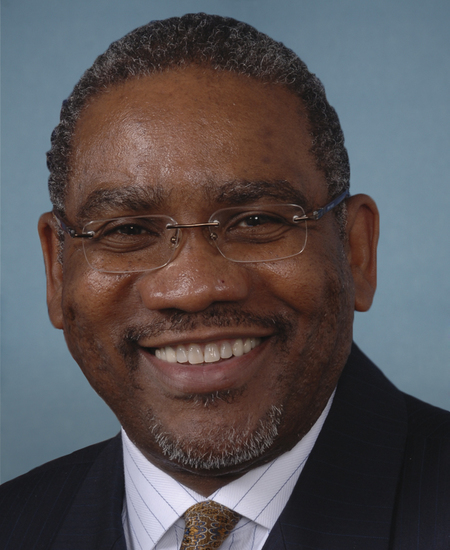
This bill creates two new tax credits to support homebuyers. It provides a first-time homebuyer credit of up to $50,000 for down payments on primary residences, with income limits ($150,000 single filers, $225,000 head of household, $300,000 joint filers). A separate starter home construction credit offers 15% (30% for first-time buyers) of costs for new homes under 1,200 square feet priced at or below 80% of local median home prices. The credits require repayment if the home is sold or no longer used as a primary residence within five years, with exceptions for new purchases, death, divorce, or military service.
SJRES 39 is a joint resolution seeking congressional disapproval of an Internal Revenue Service (IRS) rule interpreting the Clean Electricity Production Credit (Section 45Y) and Clean Electricity Investment Credit (Section 48E) tax provisions. If passed, this resolution would nullify the IRS rule, directly affecting businesses and individuals claiming these clean energy tax credits. The resolution uses the Congressional Review Act process to block the rule from taking effect, without altering the underlying tax code. This is a procedural disapproval measure, not a substantive policy change.
HRES 926, the RESPECT Resolution, is a non-binding House resolution urging states to adopt equity-focused cannabis policies. It recommends specific actions to address racial disparities, including eliminating criminal penalties for cannabis possession, creating fairer business licensing (prioritizing communities harmed by past enforcement), automatically expunging cannabis convictions, and reinvesting tax revenue in affected communities. The resolution also calls for the U.S. to advocate at the United Nations for cannabis descheduling from international drug treaties. It directly affects states, localities, and communities disproportionately impacted by cannabis prohibition, particularly communities of color.
This bill creates a new federal tax credit for low-to-moderate income homeowners to offset energy costs. It allows a 75% credit for energy expenses (heating/cooling) exceeding 3% of a taxpayer’s modified adjusted gross income, capped at $1,500 annually ($3,000 for joint filers), and only applies to principal residences. The credit is available to individuals with modified AGI under $75,000 ($150,000 for joint returns), beginning in 2025 and expiring after 2027. It directly affects eligible homeowners facing high energy bills relative to their income, without altering other tax provisions.
HR 6634 would establish a refundable tax credit providing $667 per month for each child aged 2-4 who receives early childhood education and lives with the taxpayer. The credit would be reduced for households earning above 300% of the poverty line, with monthly advance payments made directly to eligible families rather than as a yearly tax refund. To qualify, children must be enrolled in an early childhood education program (including licensed private prekindergarten), receive care from the taxpayer, and meet specific residency requirements. The bill includes provisions to prevent fraud, coordinate with other government programs, and adjust payments for inflation starting in 2026, with the credit applying to taxable years beginning after December 31, 2025.
This bill creates a new federal tax credit for homeowners who pay for flood insurance on their primary residence. It allows a credit equal to up to $1,500 for federal flood insurance, up to $3,000 (50% of private insurance costs), and up to $600 for contents coverage, with income-based phaseouts reducing the credit for higher earners. The credit applies only to insurance for a taxpayer's main home and takes effect for tax years beginning after December 31, 2025. It directly affects homeowners in flood-prone areas who purchase qualifying flood insurance policies.
HR 1878 creates a new federal tax credit for out-of-pocket expenses related to fertility treatments like IVF. It allows eligible taxpayers to claim a credit equal to up to $20,000 per year (or $40,000 for joint filers) for qualifying expenses, subject to income limits ($200,000 AGI for individuals, $400,000 for couples). The credit phases out for taxpayers earning above these thresholds and cannot be claimed for expenses covered by insurance or other deductions. This directly affects individuals and couples seeking fertility treatments who pay for them out-of-pocket.
This bill (S 3554) would amend tax law to strip tax-exempt status from organizations providing material support to terrorist groups. It defines "terrorist supporting organizations" as those that gave more than minimal material support (like funds or resources) to designated terrorist groups within the past three years. The Treasury Secretary must notify such organizations, giving them 90 days to prove they didn’t provide support, return funds, or challenge the designation in court before tax-exempt status is revoked. Organizations can later seek reinstatement if the Secretary later determines the designation was incorrect. The law establishes specific procedures for notice, dispute resolution through the IRS Appeals Office, and court review for challenges.
This bill would exclude certain union-provided payments to workers during strikes from taxable income. Specifically, it adds a new tax code section (139M) to exempt "qualified strike benefits" - payments from tax-exempt labor organizations (like unions) that replace lost wages during strikes, lockouts, or work stoppages arising from labor disputes - from gross income calculations. The change applies to compensation received after December 31, 2025, and also updates the Earned Income Tax Credit rules to include these excluded benefits. It directly affects union members who lose wages due to labor disputes and rely on union financial support during work stoppages.