

Issue · Budget & Taxes
Budget & Taxes
Every budget & taxes bill, vote, and legislator stance in United States, automatically classified by Maddy, our AI policy reader.
Total bills
2,411
119th Congress
Top supporter
Clay Fuller
87% support rate
Top opponent
Eleanor Holmes Norton
0% support rate
Ranked legislators
10
5 support · 5 oppose
Key legislators
Who's moving budget & taxes in United States
| Legislator | Party | Stance | Support rate | Decisive votes |
|---|---|---|---|---|
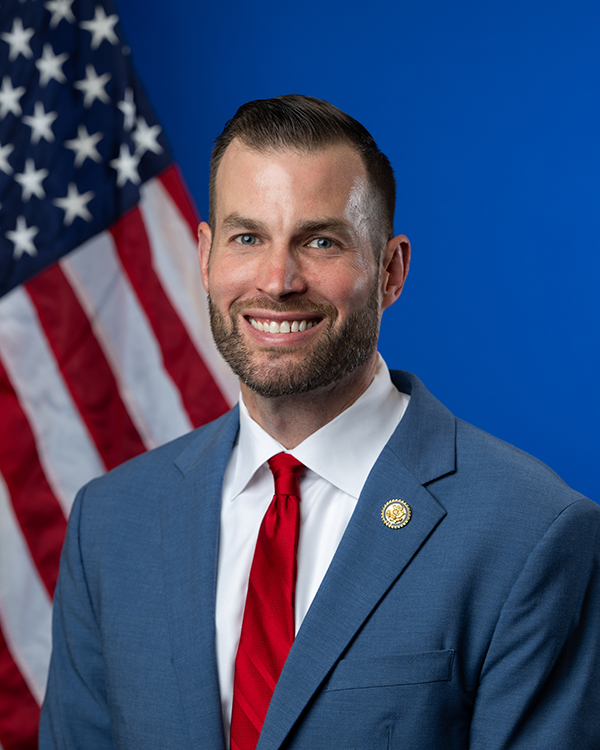
Clay Fuller
House · District 14
|
R |
Strong +
|
87% | 46 |
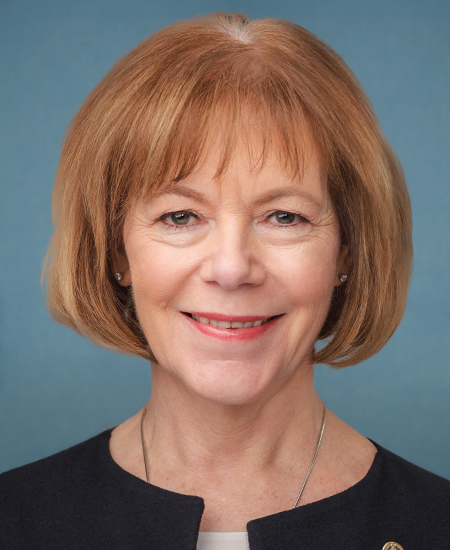
Tina Smith
Senate
|
D |
Strong +
|
83% | 77 |
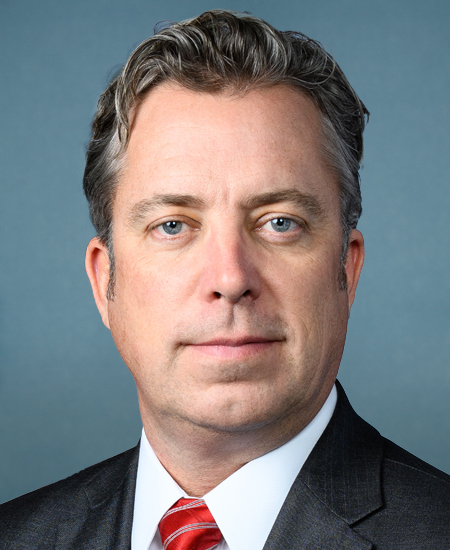
Andrew Ogles
House · District 5
|
R |
Strong +
|
83% | 65 |
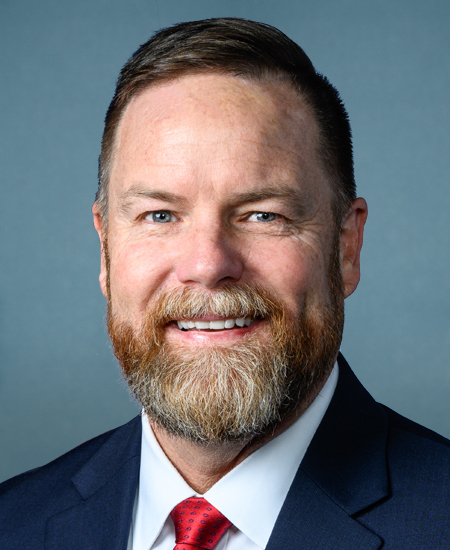
Aaron Bean
House · District 4
|
R |
Strong +
|
83% | 69 |
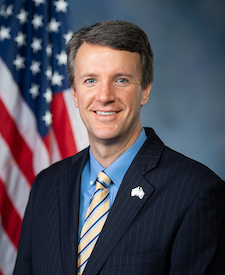
Ben Cline
House · District 6
|
R |
Strong +
|
83% | 69 |
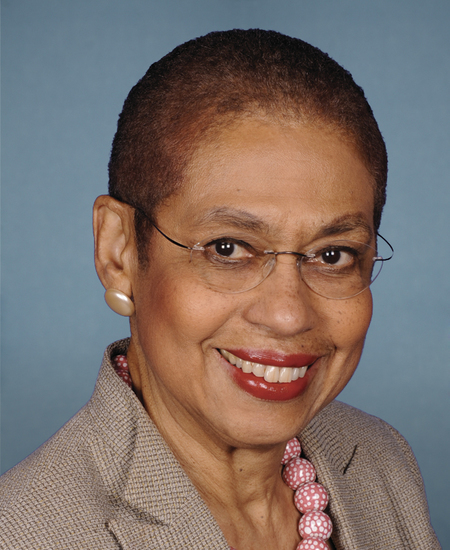
Eleanor Holmes Norton
House · District At-Large
|
D |
Strong −
|
0% | 26 |
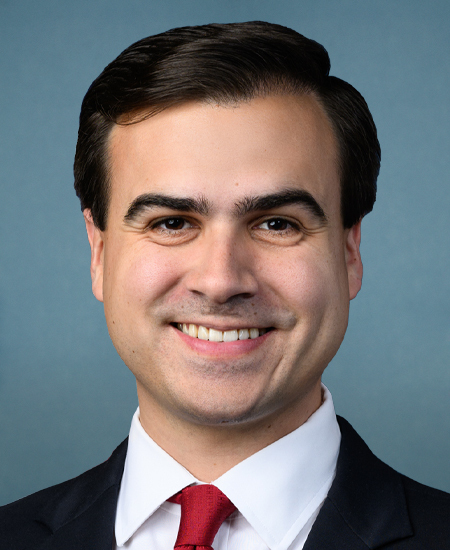
Pablo José Hernández
House · District At-Large
|
D |
Strong −
|
7% | 28 |
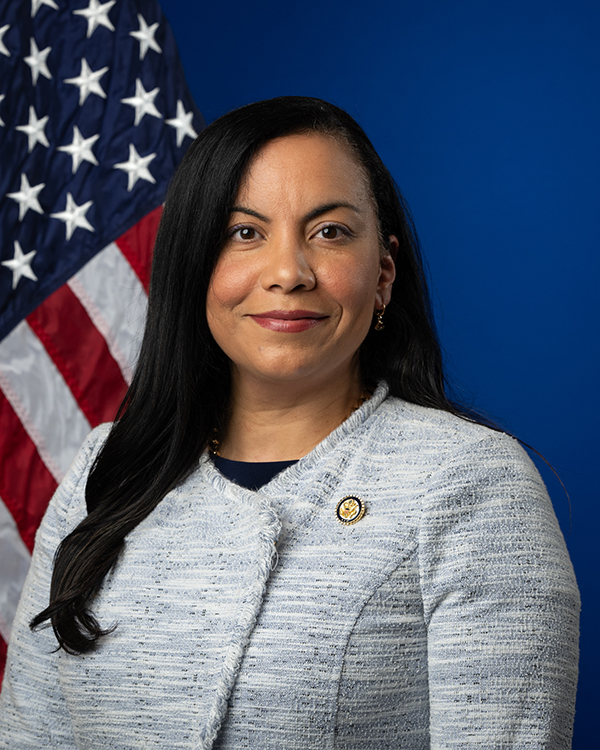
Analilia Mejia
House · District 11
|
D |
Strong −
|
13% | 45 |
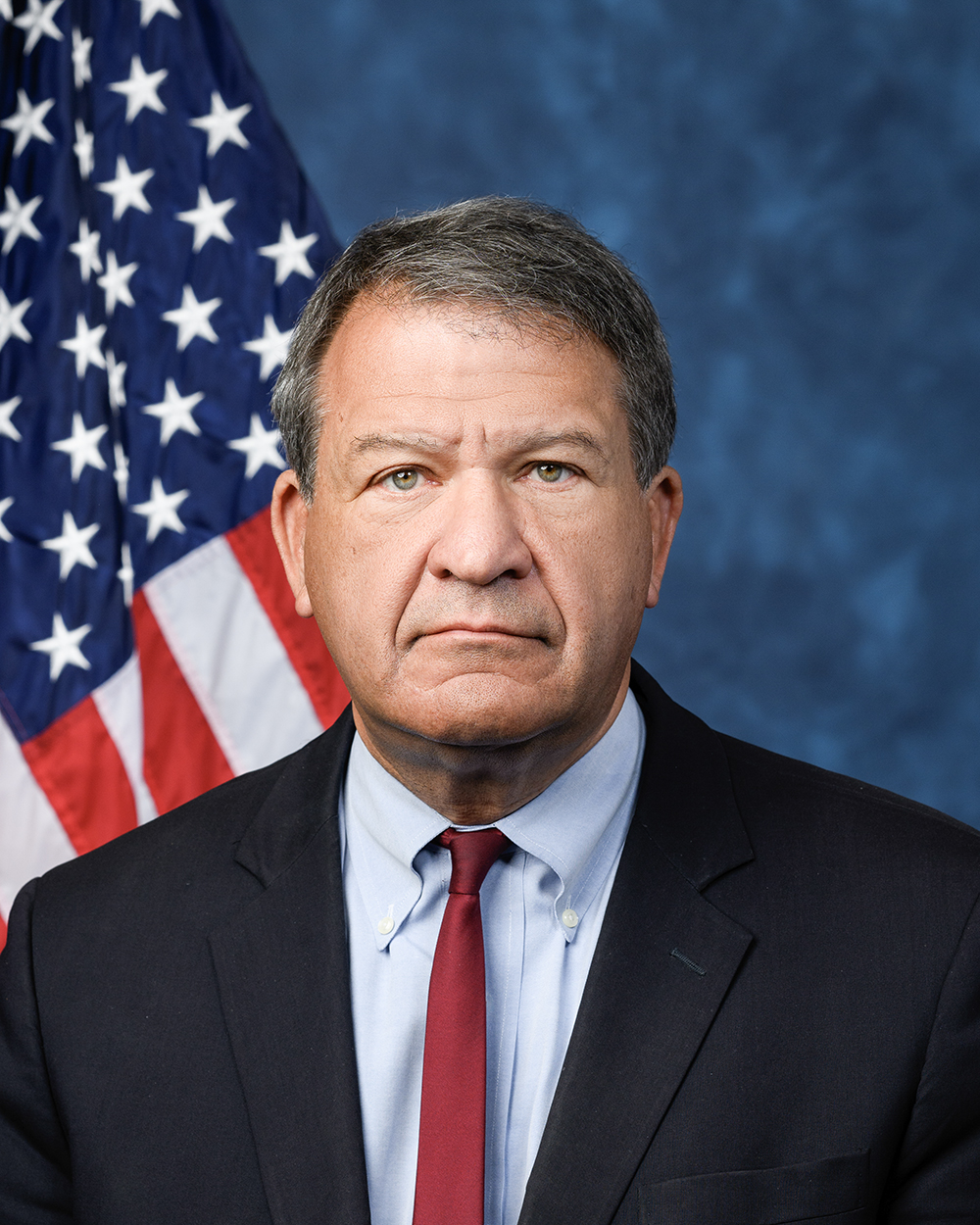
George Latimer
House · District 16
|
D |
Strong −
|
13% | 67 |
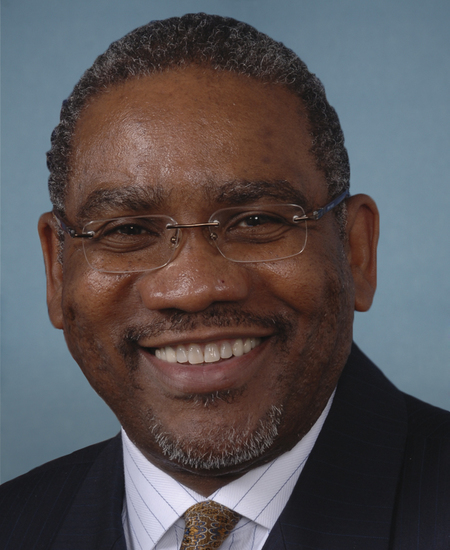
Gregory W. Meeks
House · District 5
|
D |
Strong −
|
14% | 66 |
Showing 881–890 of 2,411
bills
All budget & taxes bills
HR 39: Original Honoring Our WWII Merchant Mariners Act of 2025
Topics
✓ Budget & TaxesSupports Budget & TaxesBill authorizes $125 million in FY2026 for one-time payments to WWII Merchant Mariners, directly increasing government spending on veterans' benefits.
✓ VeteransSupports VeteransFunds $25k one-time payments to eligible WWII Merchant Mariners (veterans) via VA, authorizing $125M to advance benefits for a recognized veteran group.
HR 173: High Rise Fire Sprinkler Incentive Act of 2025
Sub-Topics
Tax Incentives
HR 82: Defund National Endowment for the Humanities Act of 2025
Topics
✗ Budget & TaxesOpposes Budget & TaxesDefunds NEH humanities programs, directly restricting government funding for public services like historical research and education.
✗ EducationOpposes EducationDefunds NEH programs supporting humanities education, directly cutting federal funding for historical research, library, and educational initiatives per bill summary.
Sub-Topics
Libraries
HR 205: No Congressional Funds for Sanctuary Cities Act
Topics
✗ Budget & TaxesOpposes Budget & TaxesDefunds sanctuary jurisdictions by prohibiting federal earmarks, restricting government spending on these areas per bill's explicit language.
✗ ImmigrationOpposes ImmigrationDefunds sanctuary jurisdictions that limit DHS cooperation, mandating compliance with federal enforcement to restrict immigrant protections and limit sanctuary policies.
HR 143: Unauthorized Spending Accountability Act
HR 115: No Free Rent for Freeloaders Act of 2025
Topics
✗ Budget & TaxesOpposes Budget & TaxesBill automatically cuts HUD management budget for noncompliant units, defunding a specific federal program and reducing government spending.
✗ HousingOpposes HousingBill cuts HUD management budget by subsidies for noncompliant public housing units, defunding public housing programs. Aligns with 'defund' OPPOSE indicator for housing assistance.
HR 74: Freedom for Families Act
Topics
✓ Budget & TaxesSupports Budget & TaxesIncreases HSA contribution limits and allows tax-free distributions, providing direct tax relief for individuals, aligning with support indicators for tax policy.
✓ HealthcareSupports HealthcareExpands HSA accessibility by removing high-deductible requirement and increasing contribution limits, enhancing tax-advantaged healthcare savings for individuals.
Sub-Topics
Insurance
HR 138: Lowering Costs for Caregivers Act of 2025
Topics
✓ Budget & TaxesSupports Budget & TaxesAmends tax code to expand HSA/FSA/HRA use for parents' medical expenses, providing tax relief for caregivers through broader tax-advantaged account eligibility.
✓ HealthcareSupports HealthcareExpands HSA/FSA eligibility to cover parents' medical expenses, increasing access to healthcare funding for caregivers under existing tax-advantaged accounts.
✓ Labor & EmploymentSupports Labor & EmploymentBill expands tax-advantaged health benefits to include parents, directly supporting caregivers and expanding worker benefits in the labor and employment context.
HR 284: GLRI Act of 2025
Topics
✓ Budget & TaxesSupports Budget & TaxesReauthorizes $500M annual federal funding for Great Lakes cleanup, directly increasing budget allocation for environmental programs without tax changes.
✓ EnvironmentSupports EnvironmentBill reauthorizes $500M annual funding for Great Lakes cleanup, restoration, and pollution prevention, directly advancing environmental protection and conservation efforts.