Issue · Budget & Taxes

Budget & Taxes

Every budget & taxes bill, vote, and legislator stance in United States, automatically classified by Maddy, our AI policy reader.

Total bills
2,411
119th Congress
Top supporter
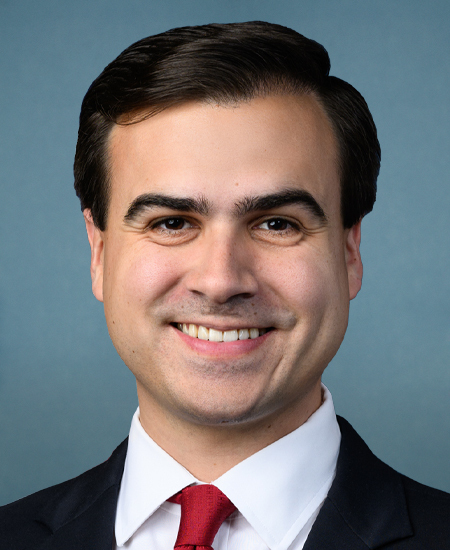
Clay Fuller
87% support rate
Top opponent
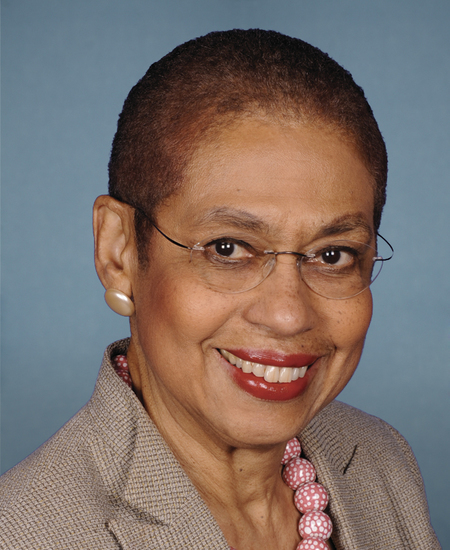
Eleanor Holmes Norton
0% support rate
Ranked legislators
10
5 support · 5 oppose
Key legislators

Who's moving budget & taxes in United States

Legislators moving budget & taxes in United States
Legislator Party Stance Support rate Decisive votes
Clay Fuller
Clay Fuller House · District 14
R
Strong +
87% 46
Tina Smith
Tina Smith Senate
D
Strong +
83% 77
Andrew Ogles
Andrew Ogles House · District 5
R
Strong +
83% 65
Aaron Bean
Aaron Bean House · District 4
R
Strong +
83% 69
Ben Cline
Ben Cline House · District 6
R
Strong +
83% 69
Eleanor Holmes Norton
Eleanor Holmes Norton House · District At-Large
D
Strong −
0% 26
Pablo José Hernández
Pablo José Hernández House · District At-Large
D
Strong −
7% 28
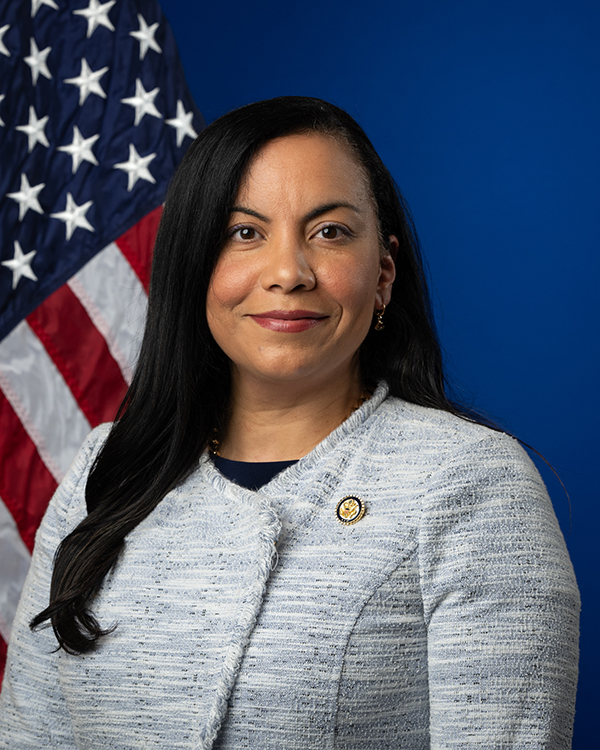
Analilia Mejia
Analilia Mejia House · District 11
D
Strong −
13% 45
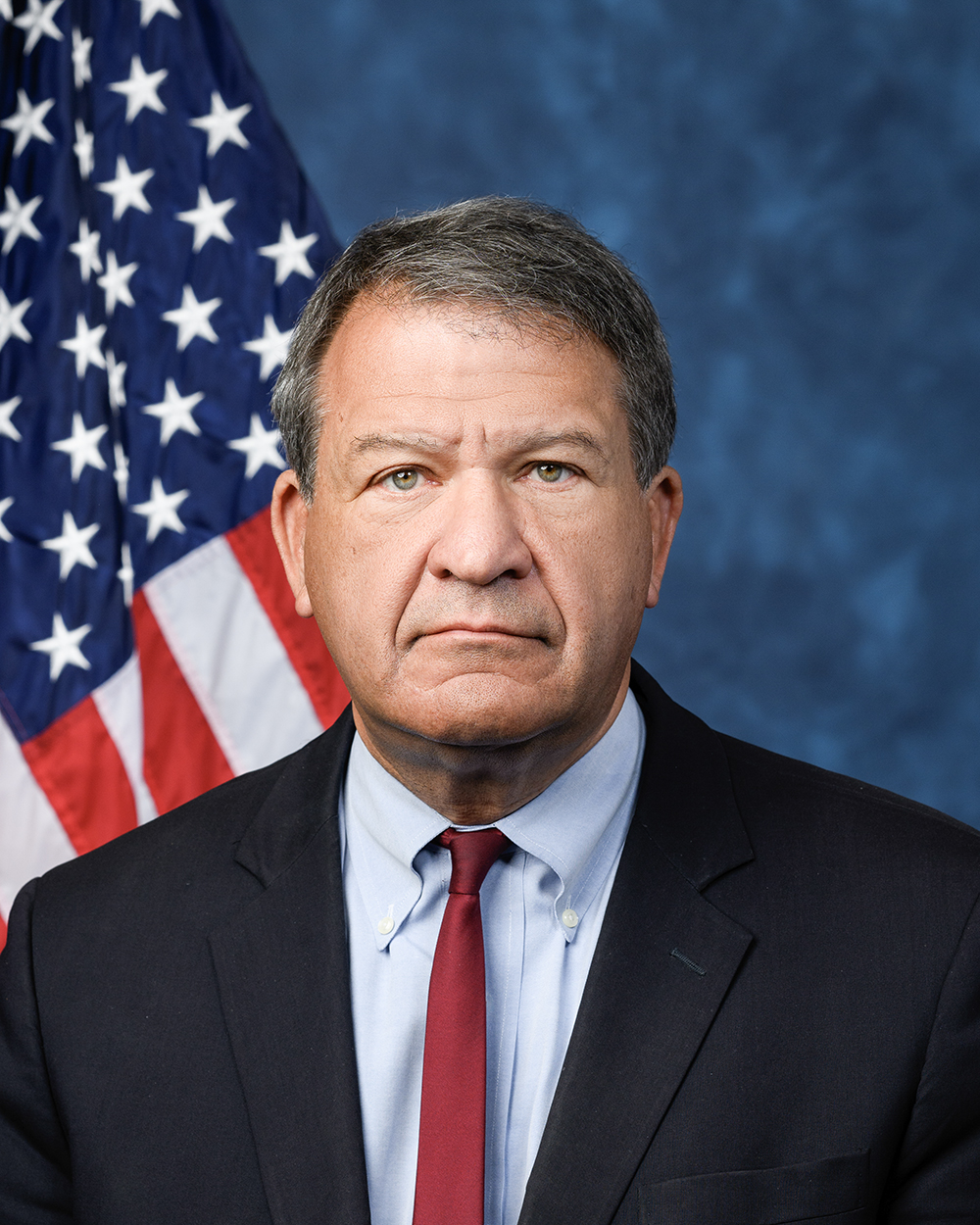
George Latimer
George Latimer House · District 16
D
Strong −
13% 67
Gregory W. Meeks
Gregory W. Meeks House · District 5
D
Strong −
14% 66
Showing 681–690 of 2,411 bills

All budget & taxes bills

in committee · United States · Senate Mar 5, 2026

S 4024: Federal Taxpayer Funds Protection and Clawback Act

This bill, titled the Federal Taxpayer Funds Protection and Clawback Act, aims to improve oversight and accountability for federal funds distributed through state block grants and other pass-through mechanisms. It directly affects states, local governments, and organizations that receive federal funding by requiring them to comply with stricter rules regarding inspections, audits, and record-keeping. Key provisions include expanding the definition of claims under the False Claims Act to cover funds passed through intermediaries, mandating that states temporarily return disputed federal funds within 180 days of a legal challenge, and establishing automatic penalties for violations of immigration laws or other federal requirements. The bill also gives federal agencies clearer authority to withhold payments, suspend awards, or terminate funding when recipients fail to meet compliance standards.
in committee · United States · Senate Mar 3, 2026

S 3978: Investments in Rural Transit Act

This bill, titled the Investments in Rural Transit Act, aims to improve funding and administrative support for public transportation in rural areas and on Tribal lands. It increases the Federal operating share for rural transit from 50 percent to 80 percent and allows Tribal transit agencies to receive up to 100 percent Federal funding for eligible projects. The legislation also streamlines how rural and Tribal agencies can purchase vehicles and equipment through cooperative purchasing arrangements and requires the creation of a new Associate Administrator position focused on Tribal transit support. Additionally, the bill mandates a joint report from the Departments of Transportation and Energy on improving the procurement of low-emission vehicles in rural communities.
Sub-Topics Procurement Electric Vehicles Public Transit Rail Tags Rural Communities Tribal Nations
in committee · United States · House Mar 4, 2026

HR 7808: Debt-to-GDP Transparency and Stabilization Act

Debt-to-GDP Transparency and Stabilization Act This bill requires the President's annual budget and congressional budget resolutions to include (1) the ratio of the public debt to the estimated gross domestic product (GDP), and (2) the ratio of the surplus or deficit to the estimated GDP.
in committee · United States · Senate Mar 18, 2026

S 4059: End-of-Year Fiscal Responsibility Act

This bill, titled the End-of-Year Fiscal Responsibility Act, would limit how much money federal executive agencies can spend near the end of each fiscal year. It directly affects federal agencies that receive discretionary funding, restricting their spending in the two months before a fiscal year ends to no more than their average monthly spending over the previous 10 months. The law requires agencies to submit detailed reports to Congress and publish them online within 60 days after each fiscal year concludes. Certain spending for national security and disaster relief would be exempt from these limits.
in committee · United States · Senate Mar 2, 2026

S 3956: Make Billionaires Pay Their Fair Share Act

The Make Billionaires Pay Their Fair Share Act (S. 3956) imposes a new 5% annual wealth tax on individuals and trusts whose net assets exceed $1 billion, with the threshold adjusted for inflation. The bill also expands Medicare coverage to include dental, hearing, and vision services, establishes a $60,000 minimum annual salary for public school teachers, and creates a birth-through-five child care entitlement program for families with income up to 250% of state median income. Additional provisions include permanent extensions of Medicaid protections for home and community-based services, increased funding for housing trust funds, and expanded child care and early learning support for working families.
in committee · United States · Senate Mar 5, 2026

S 4020: Housing Supply and Affordability Act

This bill, known as the Housing Supply and Affordability Act, creates a federal grant program to help states, cities, counties, and regional planning agencies develop and implement plans to increase housing supply and affordability. The program provides competitive grants that can be used for activities such as updating zoning codes, improving housing strategies, reducing development barriers, and coordinating with transportation agencies, but cannot be used for construction or repairs. Local governments receiving funds must limit administrative costs to no more than 10 percent of the grant amount and must coordinate with federal transit authorities where possible. The authority to award these grants is limited to a five-year period, after which the program will end.
in committee · United States · House Mar 5, 2026

HR 7821: Promoting Reduction of Emissions through Landscaping Equipment Act

This bill creates a business tax credit for companies that purchase zero-emission electric lawn, garden, and landscaping equipment. The credit equals 40 percent of the equipment's cost, with annual limits of $25,000 and a ten-year aggregate cap of $100,000 per business. Eligible equipment includes electric-powered mowers, trimmers, and other landscaping tools powered by solar, batteries, fuel cells, or grid electricity, as well as batteries and generators used to power them. The credit applies to equipment placed in service after December 31, 2024, and expires five years after the bill is enacted.
in committee · United States · Senate Mar 5, 2026

S 4001: Supplemental Security Income Restoration Act of 2026

The Supplemental Security Income Restoration Act of 2026 updates eligibility rules and benefit amounts for the Supplemental Security Income (SSI) program, which provides financial assistance to low-income individuals with limited resources. The bill increases income and resource limits for SSI recipients, exempts certain retirement accounts and tribal welfare payments from counting toward eligibility limits, and extends the SSI program to U.S. territories including Puerto Rico, the U.S. Virgin Islands, Guam, and American Samoa. Additionally, the legislation repeals a marriage penalty that previously reduced benefits for married couples and clarifies how various state tax credits and in-kind support are treated when determining eligibility.
in committee · United States · Senate Sep 2, 2025

S 2067: Rescissions Act of 2025

S 2067, the Rescissions Act of 2025, cancels over $7.6 billion in unobligated foreign aid funds that were previously allocated but not spent. It directly affects U.S. international programs by permanently rescinding unused balances across multiple categories, including contributions to international organizations, global health initiatives, refugee assistance, economic support, and disaster aid. The bill targets specific line items from the 2024 and 2025 appropriations acts, such as $2.5 billion for Development Assistance and $800 million for Migration and Refugee Assistance. These rescissions take effect immediately upon the bill’s enactment, reducing available funding for these programs without altering their underlying policy structure.
in committee · United States · House Mar 5, 2026

HR 7843: No Free Rides Act of 2026

This bill, known as the No Free Rides Act of 2026, would prohibit federal public transportation funding recipients from offering universal free fare policies that allow all riders to use transit services without paying. The law would still permit targeted fare policies that provide free or reduced-cost rides for specific groups such as seniors, low-income riders, students, or employees with employer-paid agreements. Additionally, the Secretary of Transportation could grant waivers if a transit agency can demonstrate a dedicated non-federal revenue source to support universal free fare programs. The measure directly affects public transportation agencies that receive federal assistance under Title 49 of the United States Code.
Showing 681 to 690 of 2,411 bills
Previous 1 … 68 69 70 … 242 Next