Issue · Budget & Taxes

Budget & Taxes

Every budget & taxes bill, vote, and legislator stance in United States, automatically classified by Maddy, our AI policy reader.

Total bills
2,349
119th Congress
Top supporter
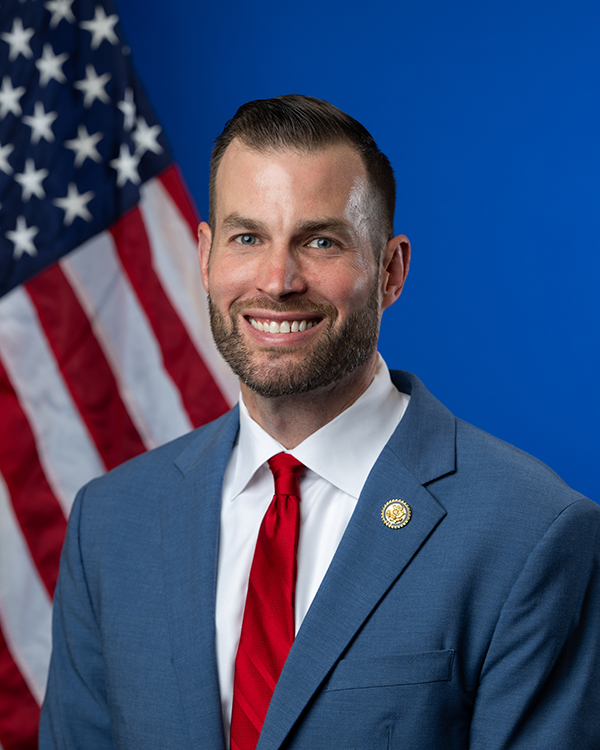
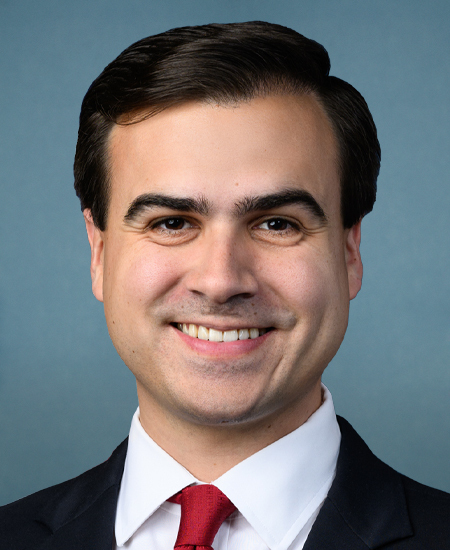
Clay Fuller
86% support rate
Top opponent
Eleanor Holmes Norton
0% support rate
Ranked legislators
10
5 support · 5 oppose
Key legislators

Who's moving budget & taxes in United States

Legislators moving budget & taxes in United States
Legislator Party Stance Support rate Votes
Clay Fuller
Clay Fuller House · District 14
R
Strong +
86% 55
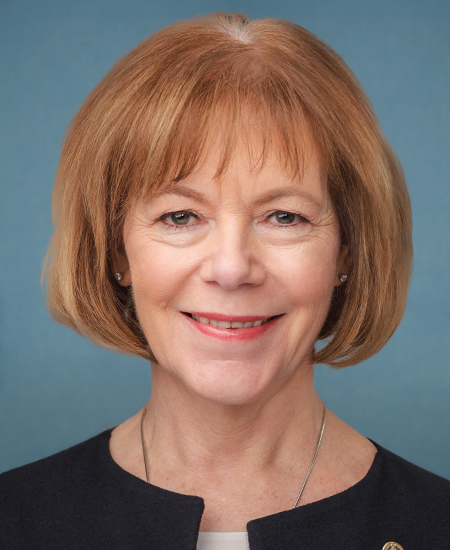
Tina Smith
Tina Smith Senate
D
Strong +
83% 251
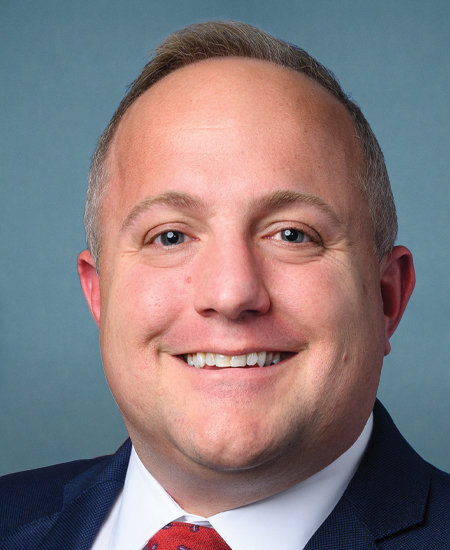
Andrew Ogles
Andrew Ogles House · District 5
R
Strong +
83% 175
Russell Fry
Russell Fry House · District 7
R
Strong +
82% 186
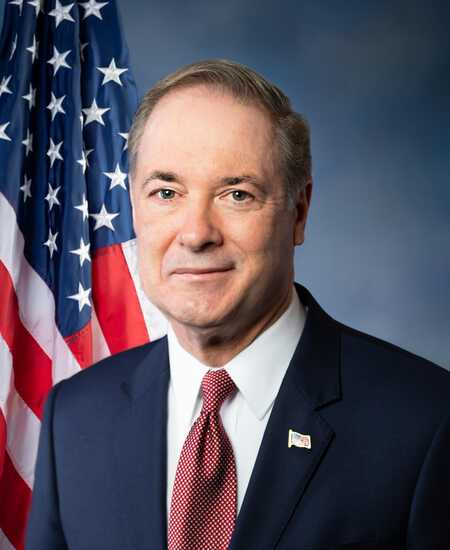
John Joyce
John Joyce House · District 13
R
Strong +
82% 185
Eleanor Holmes Norton
Eleanor Holmes Norton House · District At-Large
D
Strong −
0% 46
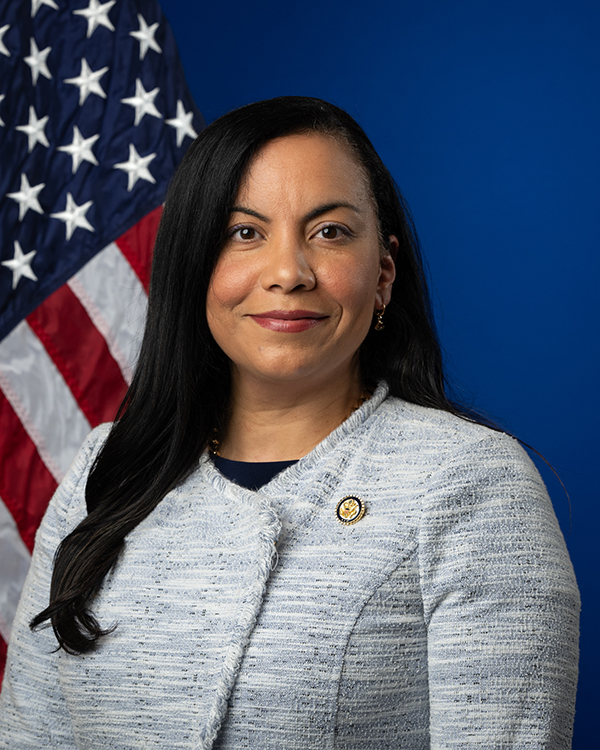
Pablo José Hernández
Pablo José Hernández House · District At-Large
D
Strong −
7% 46
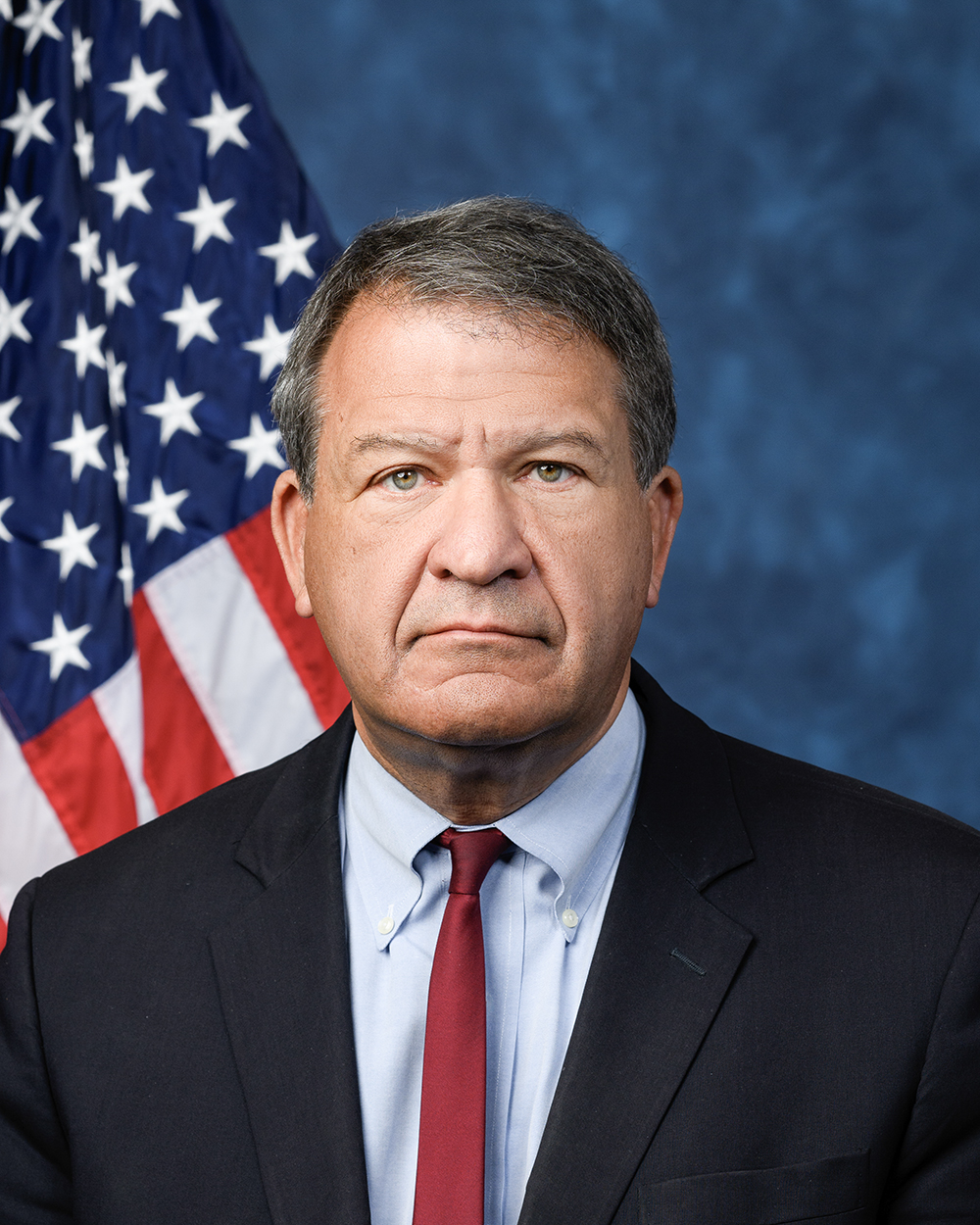
George Latimer
George Latimer House · District 16
D
Strong −
14% 181
Analilia Mejia
Analilia Mejia House · District 11
D
Strong −
14% 52
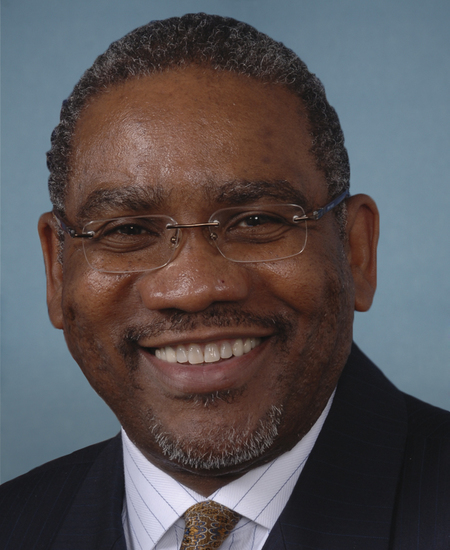
Gregory W. Meeks
Gregory W. Meeks House · District 5
D
Strong −
14% 181
Showing 2,221–2,230 of 2,349 bills

All budget & taxes bills

in committee · United States · Senate Oct 3, 2025

S 2972: Fishing Equipment Tax Relief Act of 2025

This bill lowers the federal excise tax rate for a specific type of fishing equipment. It changes the tax rate for portable, electronically-aerated bait containers from 10% to 3%, applying to manufacturers, producers, or importers selling these containers after December 31, 2025. The key provision replaces the standard tax rate with a reduced 3% rate for this defined product category. This directly affects businesses that produce or import these specialized bait containers used by anglers.
Sub-Topics Sales Tax
in committee · United States · Senate Feb 3, 2025

S 360: A bill to provide for across-the-board rescissions of nonsecurity discretionary spending.

S 360 would automatically reduce nonsecurity federal spending by specific percentages each fiscal year: 1% for 2026, 2% for 2027, and 5% annually starting in 2028. It directly affects nonsecurity discretionary programs like education, transportation, and scientific research (excluding defense and intelligence), as defined by the bill. The reductions apply pro rata across all such programs funded through annual appropriations. The Office of Management and Budget must report these cuts to Congress annually after each fiscal year ends.
in committee · United States · House Jul 2, 2025

HR 4280: Bipartisan Tax Fairness Act of 2025

HR 4280, the Bipartisan Tax Fairness Act of 2025, modifies federal income tax brackets for all filing statuses, including married couples filing jointly, heads of households, single filers, married filing separately, and estates/trusts. It lowers the income thresholds where higher tax rates apply - for example, the 10% bracket for married couples ends at $19,050 (down from current law) instead of $20,550. The bill retains the same marginal tax rates (10% to 39.6%) but adjusts bracket ranges annually for inflation to prevent taxpayers from moving into higher brackets due to rising prices. These changes apply to taxable years beginning after December 31, 2025.
Sub-Topics Income Tax
in committee · United States · House Jan 3, 2025

HJRES 2: Proposing a balanced budget amendment to the Constitution of the United States.

This joint resolution proposes a constitutional amendment that prohibits total outlays for any fiscal year from exceeding total receipts for that fiscal year. The amendment also prohibits (1) increases to the federal debt limit, and (2) a bill that increases revenue from becoming law unless the bill has been approved by two-thirds of each chamber of Congress with a roll call vote.
Sub-Topics State Budget
in committee · United States · Senate Feb 5, 2025

S 409: No Tax Breaks for Outsourcing Act

The "No Tax Breaks for Outsourcing Act" (S 409) amends U.S. tax rules to prevent corporations from avoiding taxes through foreign operations. It changes the definition of taxable foreign income from "global intangible low-taxed income" to "net CFC tested income" and requires country-by-country reporting of income for tax purposes. The bill also limits interest deductions for certain corporations in international financial reporting groups and modifies rules for "inverted corporations" (foreign companies that acquire U.S. companies to avoid taxes). These changes aim to close tax loopholes that allow companies to outsource operations to foreign jurisdictions while reducing their U.S. tax burden. The bill's provisions would generally apply to taxable years beginning after December 31, 2024.
in committee · United States · House Jan 13, 2026

HR 7026: Fiscal State of the Nation Act

The Fiscal State of the Nation Act requires the chairs of the House and Senate Budget Committees to hold an annual joint hearing within 45 days after the Treasury submits its annual financial report. At this hearing, the Comptroller General must present a nonpartisan analysis of the federal government's financial condition, including budget deficits, surpluses, and long-term fiscal projections, based on the Treasury's report. The hearing must be open to the public and media, and all members of Congress may participate, regardless of committee membership. This requirement applies to financial reports submitted on or after the bill's enactment date.
in committee · United States · House Jul 23, 2025

HR 4740: No Tax on Overtime for All Workers Act

This bill creates a federal tax deduction for certain overtime pay, making it non-taxable for eligible workers. It directly affects employees who earn overtime under the Fair Labor Standards Act (FLSA) or as specified in binding collective bargaining agreements, specifically pay exceeding 40 hours per workweek at 1.5x their regular rate. The key provision amends tax law to exclude this defined "qualified overtime compensation" from taxable income, removing federal income tax liability for those specific overtime earnings. The change applies to tax years beginning after December 31, 2024.
in committee · United States · House Feb 26, 2025

HR 1611: RAISE Act of 2025

The RAISE Act of 2025 creates a new tax credit for teachers and early childhood educators, with a base of $1,000 plus additional amounts based on school poverty rates. Teachers working in schools where more than 39% of students live in poverty can receive up to $14,000 more in tax credits, calculated based on how much a school's poverty rate exceeds 39%. The bill also increases the deduction for teachers' classroom expenses from $250 to $500 and requires schools to maintain teacher pay levels to receive certain federal funds. This directly affects public school teachers, early childhood educators, and schools serving communities with high poverty rates.
in committee · United States · Senate Mar 3, 2025

S 819: End Tobacco Loopholes Act

This bill closes tax loopholes by equalizing excise tax rates across all tobacco products. It increases cigarette taxes to $100.66 per pack, matches pipe tobacco tax to $49.56 per pound, sets smokeless tobacco at $26.84 per pound (with a new $100.66 tax per thousand single-use units), and imposes a new tax of $50.33 per 1,810 milligrams on nicotine for vaping products. The bill also establishes an annual inflation adjustment for tax rates starting in 2026 and requires manufacturers of nicotine to pay the tax unless products are FDA-approved for medical use. These changes primarily affect tobacco manufacturers and importers who will pay higher taxes on their products.
Sub-Topics Sales Tax
in committee · United States · House Feb 14, 2025

HR 1388: Fair-Value Accounting and Budget Act

HR 1388 requires the Congressional Budget Office (CBO) and Office of Management and Budget (OMB) to use "fair-value" accounting for federal loan and loan guarantee programs, replacing traditional budget estimates with market-based cost calculations. This means the CBO must provide fair-value cost estimates for new or modified loan programs, and the OMB must annually report these estimates starting in 2026. The bill directs Congress to use these fair-value estimates when enforcing budget rules, ensuring budgetary decisions reflect the true economic cost of credit programs. It directly affects the CBO, OMB, and Congress in how they measure and manage federal credit program costs.
Showing 2,221 to 2,230 of 2,349 bills