Issue · Budget & Taxes

Budget & Taxes

Every budget & taxes bill, vote, and legislator stance in Texas, automatically classified by Maddy, our AI policy reader.

Total bills
434
119th Congress
Top supporter
Wesley Hunt
81% support rate
Top opponent
Marc A. Veasey
14% support rate
Ranked legislators
10
5 support · 5 oppose
Key legislators

Who's moving budget & taxes in Texas

Legislators moving budget & taxes in Texas
Legislator Party Stance Support rate Votes
Wesley Hunt
Wesley Hunt House · District 38
R
Strong +
81% 152
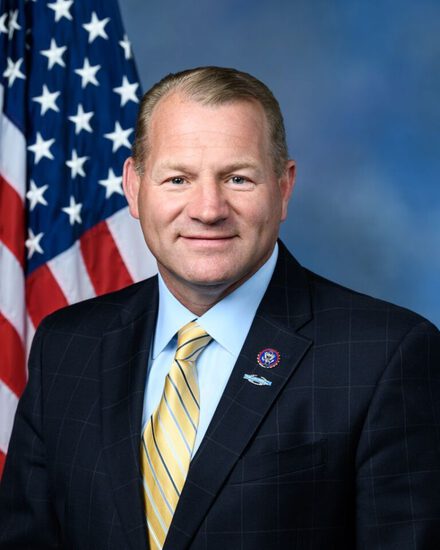
Troy E. Nehls
Troy E. Nehls House · District 22
R
Support
78% 173
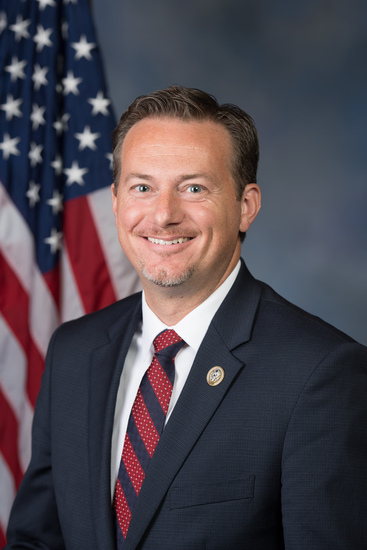
Michael Cloud
Michael Cloud House · District 27
R
Support
77% 184
Brandon Gill
Brandon Gill House · District 26
R
Support
77% 183
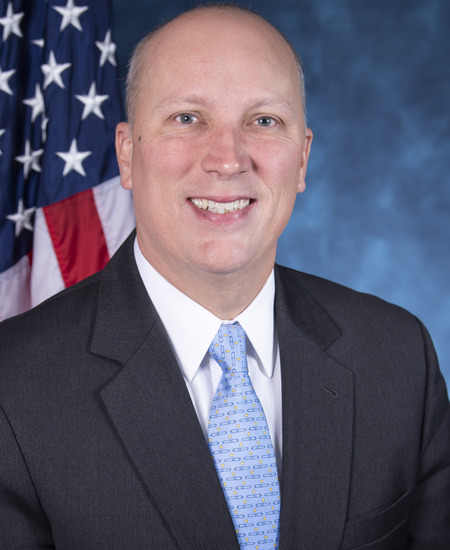
Chip Roy
Chip Roy House · District 21
R
Support
75% 181
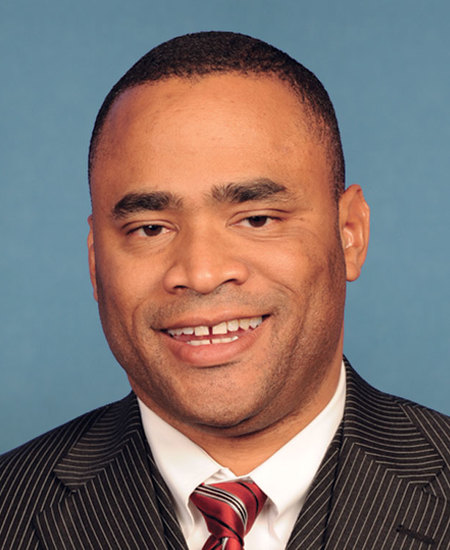
Marc A. Veasey
Marc A. Veasey House · District 33
D
Strong −
14% 179
Christian D. Menefee
Christian D. Menefee House · District 18
D
Strong −
16% 68
Jasmine Crockett
Jasmine Crockett House · District 30
D
Strong −
17% 177
Lizzie Fletcher
Lizzie Fletcher House · District 7
D
Strong −
18% 186
Lloyd Doggett
Lloyd Doggett House · District 37
D
Strong −
18% 181
Showing 1–10 of 434 bills

All budget & taxes bills

in committee · United States · House Sep 10, 2026

HR 10327: Cost Estimates Improvement Act

The Cost Estimates Improvement Act requires the Congressional Budget Office and the Joint Committee on Taxation to include public debt servicing costs in their financial estimates, to the extent practicable. This change directly affects federal budgeting processes by ensuring that the interest payments on national debt are factored into official cost projections for new legislation. The bill amends the Congressional Budget and Impoundment Control Act of 1974 to mandate this specific inclusion in all future estimates prepared by these two bodies.
in committee · United States · House Jul 21, 2026

HR 9616: EMRTAI Authorization Act of 2026

The EMRTAI Authorization Act of 2026 directs the Environmental Protection Agency to create a program that investigates methods for finding and recovering critical materials from contaminated sites. This initiative allows the EPA to provide funding to states, local governments, tribes, nonprofits, and private entities to support these recovery efforts and monitor environmental cleanup. The program is limited to a total of $10 million per year, with no single recipient receiving more than $3 million, and grants are evaluated based on their potential to strengthen domestic supply chains and protect human health. The authority to run this program will end ten years after the bill is enacted.
Sub-Topics Hazardous Materials
in committee · United States · House Sep 3, 2026

HR 10277: Access to School Supplies Act of 2026

The Access to School Supplies Act of 2026 establishes a five-year pilot program that provides competitive grants to up to ten local school districts serving high-poverty schools. These funds are intended to help districts purchase books, supplies, and other materials for students and instructional staff at no cost. The legislation authorizes $100 million annually from fiscal years 2027 through 2031 and requires recipients to submit annual reports detailing how the money was spent and which schools benefited. A small portion of the total funding is reserved for outlying areas and Bureau of Indian Education schools, while the program sunsets on September 30, 2031.
in committee · United States · House Aug 6, 2026

HR 10044: AI Tax and Work Protection Act

The AI Tax and Work Protection Act imposes a new excise tax on companies that develop or sell artificial intelligence foundation models, with rates that increase based on the national unemployment level. The revenue generated from this tax is placed into a dedicated trust fund to finance a new federal jobs program administered by a newly created Office of Job Creation within the Department of Labor. This program awards grants to state, local, and tribal governments to hire permanent, full-time workers for specific public service roles, such as in education, healthcare, infrastructure, and community safety. To ensure the jobs created do not replace existing workers, the bill includes strict nondisplacement rules and mandates that grant recipients provide employees with strong labor protections, including collective bargaining rights, competitive wages, and paid leave. Additionally, the legislation directs the Bureau of Labor Statistics to study the impact of AI on the workforce and establishes an advisory committee to guide the implementation of the job creation initiatives.
in committee · United States · Senate Apr 1, 2025

S 1244: Education Savings Accounts for Military Families Act of 2025

This bill creates "Military Education Savings Accounts" that would provide eligible military children with funds for educational expenses. The program would give parents of military dependents (children of active-duty service members who attended public school for 100+ consecutive days the previous year) up to $6,000 in the first year, with annual increases based on inflation. Parents could use these funds for private school tuition, tutoring, online learning, educational materials, and other approved educational expenses, but not for public school full-time enrollment. The program would prioritize accounts for siblings of previously enrolled children, then children of enlisted members, warrant officers, and finally commissioned officers, with accounts terminating when children turn 22 (or 26 for those with disabilities) or enroll full-time in public school.
in committee · United States · House Jul 21, 2026

HR 9795: Never Forget the Victims of Terrorism: Joseph D. Mistrulli and Alan Kleinberg USVSST Fund Solvency Act

This bill establishes a temporary funding mechanism for the United States Victims of State Sponsored Terrorism Fund by requiring the Treasury Department to loan $3 billion annually to the fund for fiscal years 2027, 2028, and 2029. The borrowed money must be distributed immediately to victims as part of the annual payment and cannot be saved for future use. Interest on these loans will be set by the Treasury based on market rates and will be repaid only from future fines and penalties collected from state sponsors of terrorism after the fund ends. The authority to make these loans expires on September 30, 2029, and the funds are treated as direct spending rather than new appropriations.
in committee · United States · House Aug 6, 2026

HR 10060: Presidential Tax Accountability and Audit Integrity Act

This bill, known as the Presidential Tax Accountability and Audit Integrity Act, prevents the President and their close family members or related business associates from entering into agreements that waive or release federal tax debts while the President is in office. It stops the IRS from honoring any such waivers or orders made during the President's term and requires the agency to publicly report the identities of any taxpayers affected by these instruments within seven days. Additionally, the law ensures that the standard time limits for the government to collect unpaid taxes or sue for collection do not expire until at least three years after the President leaves office. These measures aim to increase transparency and maintain the integrity of the tax system by restricting special treatment for the highest office holder and their connections.
in committee · United States · House Jul 23, 2026

HR 9911: Shipbuilding Investment and Workforce Act

This bill creates a new tax incentive program to encourage investment in specific areas designated for maritime industries, such as shipyards and ports. It allows certain census tracts identified by the Secretary of Commerce, in consultation with federal officials, to be treated as qualified opportunity zones, which offers tax benefits to investors who put money into businesses operating within those areas. To qualify, the businesses must be directly involved in maritime activities like building or repairing vessels, and the program is limited to a maximum of 100 designated zones. The changes to the tax code will take effect after December 31, 2026, with the initial selection process for these zones beginning by July 1, 2027.
Sub-Topics Tax Incentives Ports Tags Economic Development
in committee · United States · Senate Jul 22, 2026

S 5073: Tax Complexity and Fraud Prevention Review Act

The Tax Complexity and Fraud Prevention Review Act requires the IRS to submit annual reports to Congress detailing its efforts to identify, prevent, and resolve various types of tax fraud. These reports must include specific data on fraud amounts, timelines of security actions, and recommendations for improving information sharing with tax filing providers and other government agencies. The legislation also mandates that certain redacted data from these reports be made available on the IRS public website to increase transparency. Additionally, the bill clarifies that a separate complexity report is required to remain distinct from the new fraud-focused reporting obligations.
in committee · United States · House Jun 30, 2026

HR 9540: Community Housing Act of 2026

The Community Housing Act of 2026 aims to increase the supply and affordability of housing by directing significant new federal funding to programs like the Housing Trust Fund and the Capital Magnet Fund. It establishes a new Office of Community Land Use and Zoning within HUD to help states and localities reform restrictive zoning laws that limit housing development. The bill also expands financial support for rural areas, creates a new fund to promote shared equity and community land trusts, and removes a legal cap on the number of public housing units agencies can manage. Additionally, it provides grants to protect tenants from eviction and authorizes low-cost financing options for affordable housing projects.
Showing 1 to 10 of 434 bills
1 2 3 44 Next