

Maddy summaryHB 1293 appropriates $6.8 million from South Dakota's general fund to increase benefit amounts for the Temporary Assistance for Needy Families (TANF) program. It directs the Department of Social Services to provide TANF benefits equal to fiscal year 2025 levels starting immediately and continuing through July 1, 2027. The bill declares an emergency to allow immediate implementation of these increased benefits. This funding directly affects TANF recipients by raising their monthly support payments for a two-year period.
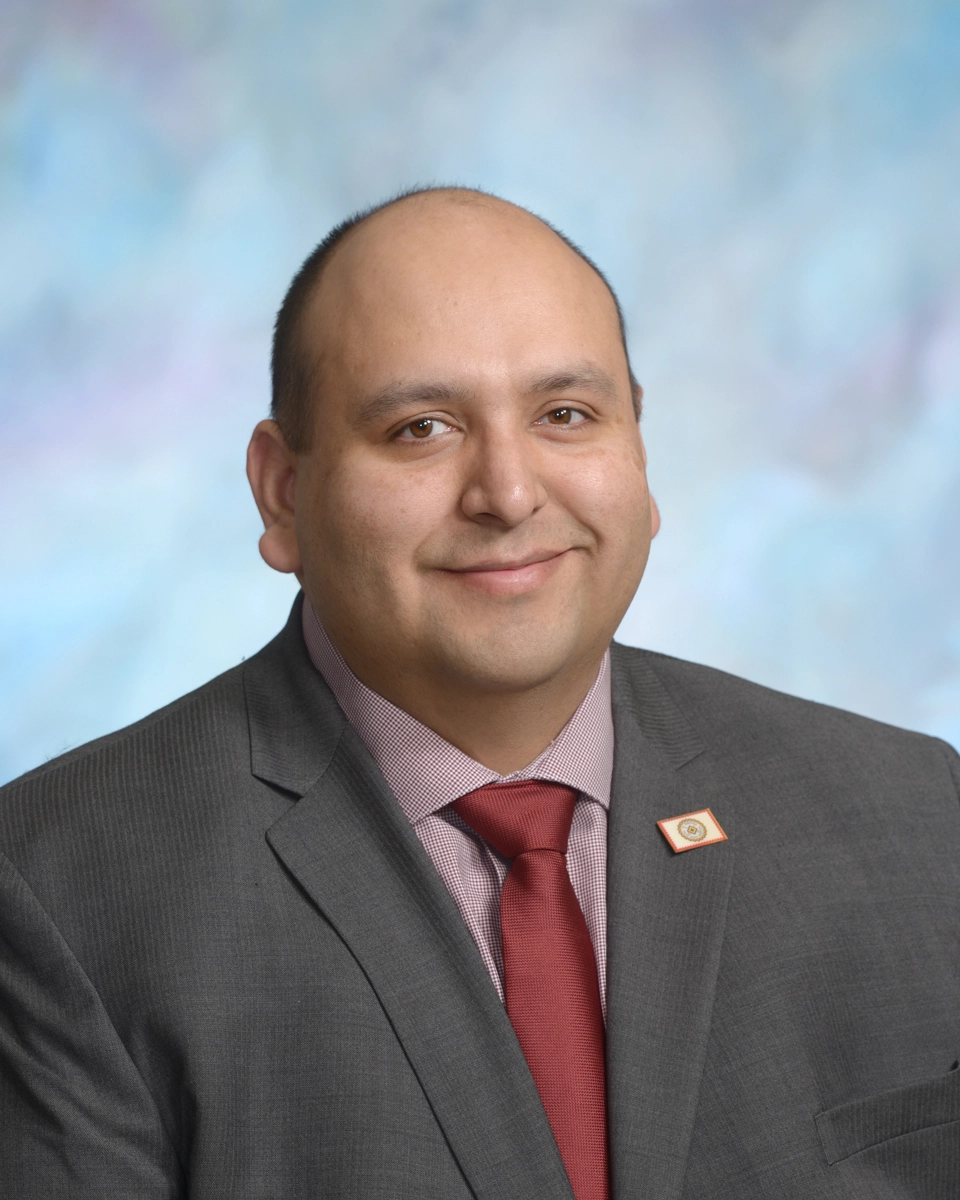
Rep. Eric Emery
Sponsored bills
Maddy summaryHB 1105 prevents property owners in specific areas from using contracts or declarations to block healthcare services on commercial property. It applies to municipalities/townships under 3,000 people (per federal census) or areas officially designated as medically underserved by South Dakota’s Department of Health. The bill invalidates any contract or declaration that restricts the use of commercial property for healthcare services like clinics, diagnoses, or treatment in these areas. This directly affects property owners and developers who previously could impose such restrictions, while enabling healthcare providers to operate in underserved communities.
Maddy summaryHB 1150 provides $8 million in total funding ($4 million from the general fund and $4 million in federal fund expenditure authority) to the South Dakota Department of Social Services. This funding increases payment rates for federally qualified health centers (FQHCs) in South Dakota, as defined by federal regulations (42 C.F.R. § 405.2401). The bill directly affects FQHCs by raising reimbursement rates for services they provide, improving their funding stability. The funding becomes effective June 30, 2026, and unspent amounts revert per standard state procedures.
Maddy summarySB 117 appropriates $5,040,000 for the design and construction of a new soccer venue at South Dakota State University (SDSU). The bill directly affects SDSU by funding the project through state funds and allows the Board of Regents to accept additional external funding (e.g., federal grants or donations) for the venue. It declares an emergency to expedite the project, stating the appropriation is necessary for supporting state public institutions. The bill includes provisions for cost adjustments due to inflation or regulatory changes but limits total funding to 125% of the initial $5.04 million estimate.
Maddy summarySenate Concurrent Resolution 605 is a non-binding resolution recognizing the monarch butterfly's ecological importance and encouraging voluntary conservation efforts in South Dakota. It urges state agencies, local governments, and land managers to preserve existing milkweed habitats where practical and prioritize pollinator-friendly native seed mixes - including milkweed - in plantings that align with land management goals. The resolution specifically emphasizes voluntary cooperation with landowners and agricultural operations, avoiding regulatory impacts, while urging federal agencies to support these efforts through technical assistance. It does not create new legal requirements but formally supports existing conservation practices.
Maddy summaryHB 1147 appropriates $5 million from the general fund to the South Dakota Department of Agriculture for a single grant to a statewide food distribution organization. This organization must distribute food to all counties across South Dakota, with at least $1.5 million of the grant required to purchase food directly from local South Dakota farmers and producers. The bill mandates annual reports detailing grant spending, types/amounts of food purchased, and distribution to food pantries, to be submitted to the Department of Agriculture until the full grant is expended. The funding becomes effective June 30, 2026, and is intended to support food pantries statewide while prioritizing local agricultural purchases.
Maddy summaryHB 1137 allocates $40 million from state funds for the design and construction of a new athletic facility at the University of South Dakota. The facility will include an indoor track, practice areas, seating for 2,000 spectators, and supporting amenities like locker rooms and training spaces. The bill allows for cost adjustments up to 125% of the original estimate to account for inflation or regulatory changes, and declares an emergency to expedite the project. Unspent funds would revert per state procedures, and the project cannot create state debt or liens. The bill directly affects the University of South Dakota's athletic programs and facilities.
Maddy summarySB 211 prohibits ambulance providers from billing patients for out-of-network emergency services beyond required coinsurance, copayments, or deductibles. It requires health insurance plans to reimburse out-of-network ambulance providers at local rates (or 325% of Medicare rates if no local rate exists) within 30 days, and mandates clear billing explanations for patients. The law also establishes a complaint process through the Division of Insurance for violations and requires the division to post reimbursement rates online by 2027. It excludes self-funded employer plans, Medicaid, Medicare, and other federally regulated programs from these rules.
Maddy summaryHB 1113 establishes a downpayment assistance program for manufactured or mobile home buyers in South Dakota. The program provides zero-interest loans of up to $10,000 per applicant from a $5 million revolving fund in the South Dakota housing infrastructure fund. Eligibility requires household income below 120% of the state median income and purchasing a home meeting federal safety standards and local zoning requirements for single-family residences. Repayments return to the fund to support new loans, with loans secured by a second lien due upon home sale or repayment of the primary mortgage. This directly assists low-to-moderate income residents seeking to purchase qualifying manufactured or mobile homes.
Maddy summarySB 225 directs that 4% of the interest earnings from South Dakota's unclaimed property trust fund (without touching the principal) be distributed annually to school districts starting in fiscal year 2026. The funds will be apportioned to school districts based on their student enrollment, following the existing method used for other school funding. This adds a new source of revenue for school districts through the trust fund's interest, calculated using the fund's market value as of December 31 each year. The bill modifies existing statutes to implement this distribution, ensuring the funds are added to the general fund before being allocated to schools under current apportionment rules.