

Maddy summaryHB 1250 updates the list of community-based providers eligible for state-funded services, including Medicaid and other state programs. It adds a provision allowing the secretaries of the Department of Social Services or Human Services to approve new provider types beyond the current list (such as nursing homes, mental health centers, and federally qualified health centers). This change directly affects organizations providing care services that rely on state funding for operations. The key mechanism streamlines eligibility adjustments without requiring new legislation for each new provider type.

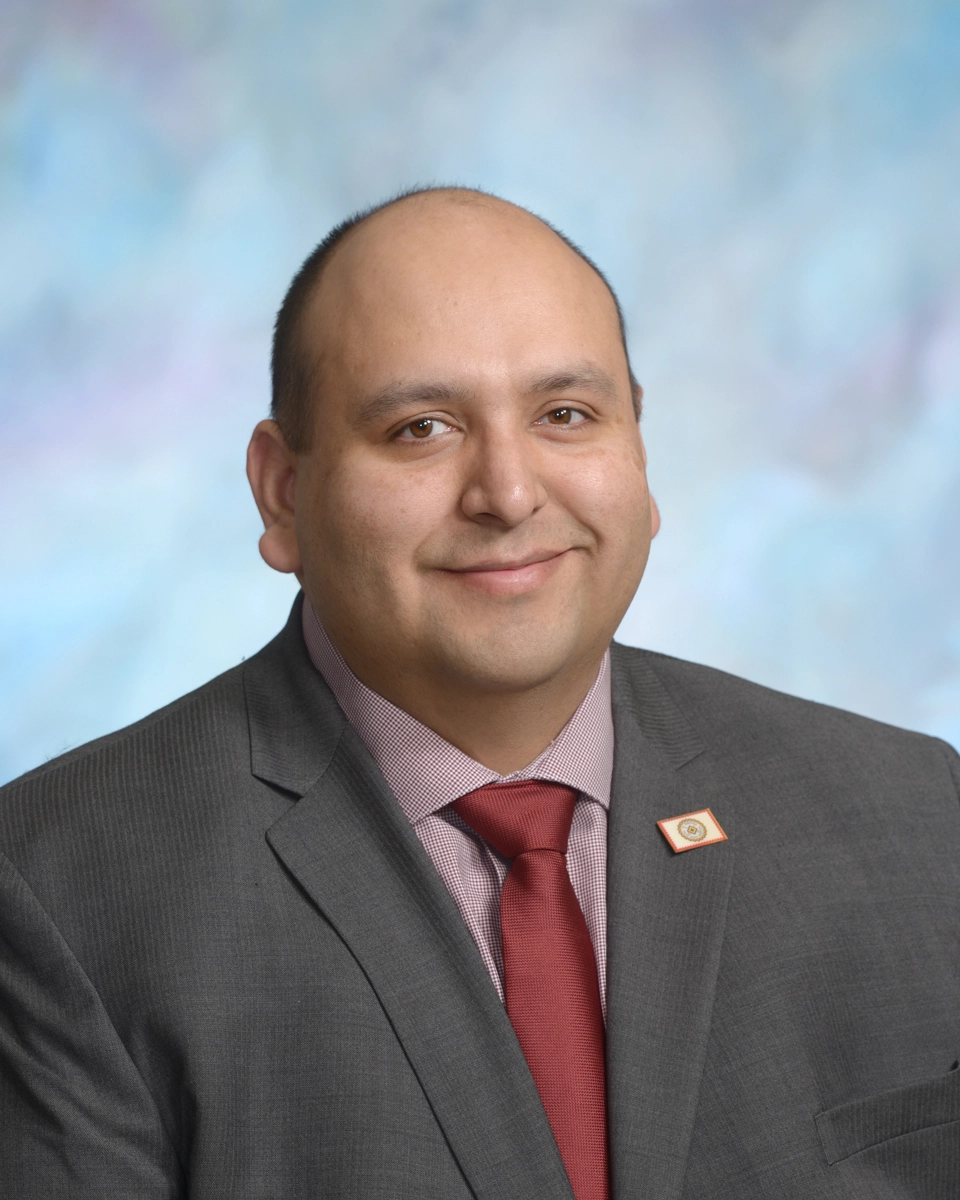
Rep. Eric Emery
Sponsored bills
Maddy summaryHB 1299 allows small lodging establishments (with 15 or fewer sleeping rooms) to apply for a permit to use biological filtration systems in their water recreational facilities, such as pools or spas. These systems filter water naturally using plants, beneficial bacteria, and microbes - without relying on continuous chemical disinfectants - to meet public health and safety standards. To obtain a permit, establishments must submit proof the system meets water quality requirements, pay a $50 fee, and undergo annual department inspections. If an inspection fails, the permit is revoked, and reapplication is barred for one year. The bill requires the department to establish rules for applications, maintenance, and testing procedures.
Maddy summaryHB 1292 limits South Dakota health insurance companies' ability to take back payments they've already made for medical services. It requires insurers to provide written notice at least 30 days in advance if they seek to recoup a payment, and restricts such actions to claims paid within the previous 18 months (with exceptions for fraud, Medicare/Medicaid, workers' compensation, or duplicate payments). The bill establishes a dispute resolution process through the Division of Insurance for disagreements, preventing insurers from withholding future payments during the review. This directly affects healthcare providers (like doctors and clinics) who receive payments from insurers and the insurers themselves, applying to claims for services provided on or after July 1, 2026.
Maddy summaryThis bill exempts victims of human trafficking or domestic abuse from specific clemency notice requirements when applying for clemency. It directly affects individuals in these victim categories who are seeking clemency by removing a requirement to receive certain notices. To qualify, applicants must submit their own affidavit confirming victim status (citing specific statutes) plus affidavits from two professionals (e.g., law enforcement, mental health providers, or victim advocates) who verify the claim. The professionals must represent different agencies to ensure independent verification.
Maddy summaryHB 1298 prohibits publishing a judicial or law enforcement officer's home address, date of birth, or social security number online without their consent if done with the intent to cause fear for the officer's safety or their immediate family's safety. The law applies only to electronic publications and targets individuals who share such sensitive personal information under these specific conditions. Violating this prohibition is classified as a Class 6 felony. The bill directly protects officers by restricting the online dissemination of their personal details that could enable threats or harassment.
Maddy summaryHB 1066 revises South Dakota's theft statute to clarify that contractors, subcontractors, or suppliers do not commit theft by withholding payment proceeds until work is completed and approved. The bill amends Section 44-9-13 to explicitly state that holding funds pending final work approval is not a violation of the theft law. This directly affects construction industry professionals who handle project payments and must pay for labor or materials before using funds. The key change removes ambiguity about when withholding payment constitutes theft, specifically excluding legitimate holds for completed work. The amendment maintains existing penalties for actual theft but clarifies the legal boundary for payment management.
Maddy summarySB 106 modifies South Dakota's funding for special education by increasing the state's annual allocation for unforeseen costs. Starting July 1, 2026, $4.5 million must be set aside for extraordinary expenses in special education programs, rising annually by an inflation index starting July 1, 2027, with a maximum cap of $5.5 million per year. Unspent funds will not revert to the general state budget, ensuring they remain available for future special education needs. The bill directly affects school districts providing special education services to children with disabilities across South Dakota.
Maddy summarySB 89 requires all South Dakota counties and municipalities to ensure a minimum level of emergency medical services (including response times, staffing, and treatment protocols) are available within their boundaries for prehospital care. It directs the state health department to create rules defining these minimum standards, covering aspects like ambulance response and required personnel. The bill also establishes a legislative task force to study funding mechanisms for these services and report recommendations by November 2026. The law would take effect on July 1, 2028, impacting local governments responsible for emergency medical service provision.
Maddy summarySB 131 clarifies the timing for nonprofit-hosted pheasant hunts benefiting disabled veterans and Purple Heart recipients. It revises the law to specify these hunts may occur "before or during the regular pheasant season" (removing confusing prior language about the "private shooting preserve season"). The bill directly affects nonprofit organizations hosting these events and the disabled veterans/Purple Heart recipients participating. Key provisions maintain that no fees may be charged to participants and require the Game, Fish and Parks Commission to create rules for administering these hunts. The bill does not change eligibility criteria for participants or alter the no-fee requirement.
Maddy summarySB 132 amends South Dakota law (§ 1-46A-5) to clarify the composition and consultation process of the South Dakota Veterans Council. The bill specifies that the Council must include one representative each from eight designated veterans organizations, such as the American Legion, Disabled American Veterans, and Veterans of Foreign Wars, plus a representative from Vietnam Veterans of America chapters 1054 and 959. It requires the Department of Veterans Affairs to consult with the Council quarterly on veteran-related matters and mandates the Council provide recommendations on budgets, legislation, policies, and programs affecting veterans and their dependents. This bill directly affects the Council's membership structure and its formal role in advising state veterans' affairs.