

Maddy summaryHB 1148 adopts the Respiratory Care Interstate Compact, allowing respiratory therapists licensed in South Dakota to practice in other participating states without obtaining separate licenses. The bill also requires respiratory care practitioners to undergo a criminal background check and submit fingerprints as part of their South Dakota licensure application. This compact aims to increase access to respiratory therapy services, support military families by easing relocation for therapists, and address workforce shortages through streamlined interstate practice. It preserves each state’s authority to regulate licensure and protect public health while creating a standardized process for therapists moving across state lines.
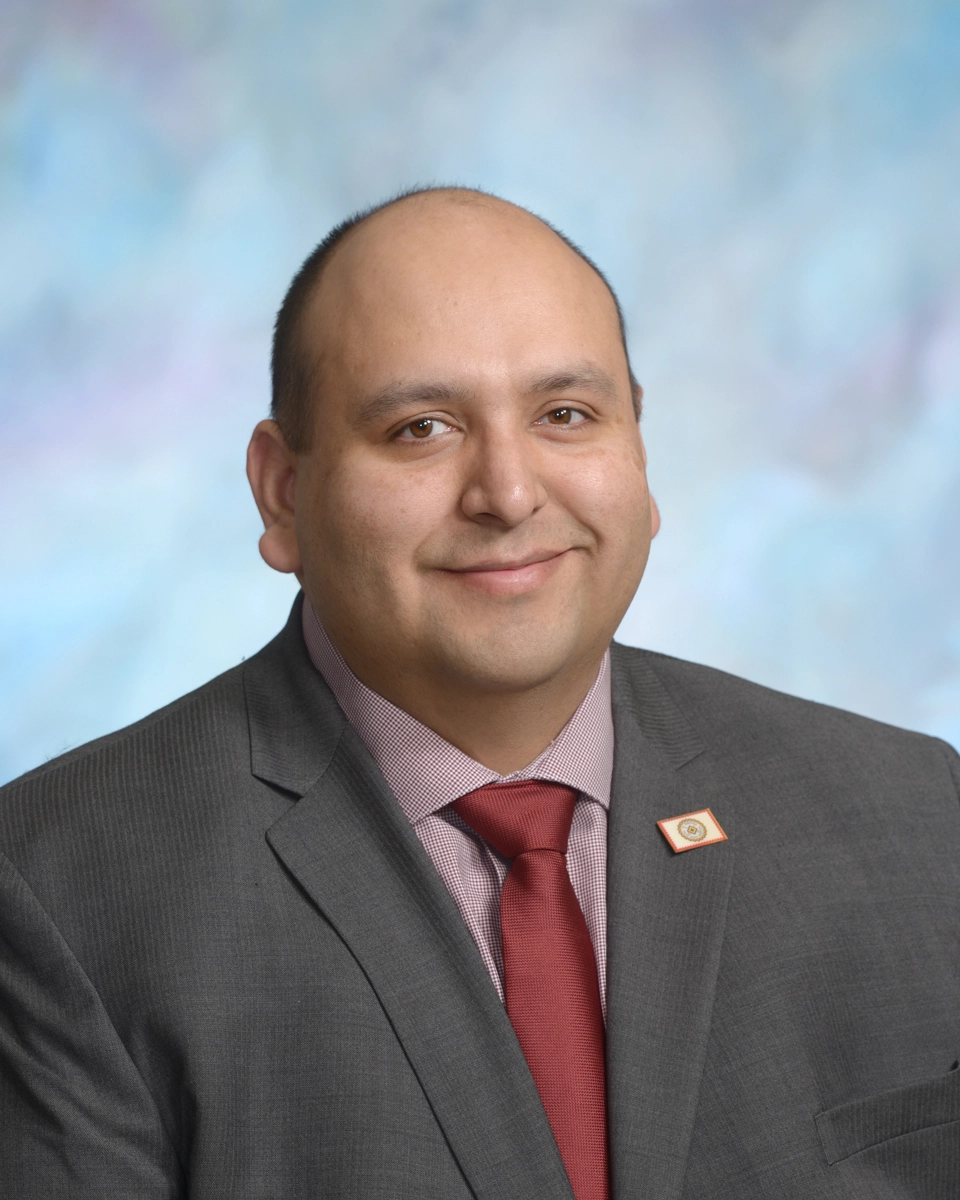
Rep. Eric Emery
Sponsored bills
Maddy summarySB 139 revises South Dakota law to clarify transportation requirements for inmates being discharged from correctional facilities. It requires correctional facilities to provide transportation to a location chosen by the inmate from three options: the county where the inmate lived at the time of the offense, the county where they received their sentence, or any location at the same distance as the closer of those two counties (based on mileage). This change gives inmates more flexibility in selecting a release location while ensuring transportation is provided to a reasonably accessible place near their previous residence or sentencing location. The bill directly affects inmates released from South Dakota correctional facilities under parole, suspended sentences, or final discharge.
Maddy summaryHB 1149 adopts the Athletic Trainer Licensure Compact, allowing South Dakota to join a multi-state agreement that enables licensed athletic trainers from participating states to practice in South Dakota without obtaining a separate license. The bill requires athletic trainers seeking to practice under the compact to undergo a fingerprint-based criminal background check (paid by the trainer) and establishes mutual recognition of licenses across member states. Key provisions include reducing administrative burdens for trainers, improving access to athletic care through streamlined interstate practice, and ensuring states maintain authority to regulate practice within their borders. This directly affects athletic trainers seeking to work across state lines and patients in South Dakota who may access care from out-of-state professionals.
Maddy summaryHB 1161 defines "female" and "male" based on biological reproductive systems and requires state-owned or leased facilities (like schools, government buildings, and public spaces) to designate multi-occupancy changing rooms, restrooms, and sleeping quarters for exclusive use by males or females. The bill specifies that exceptions apply for children under 10 with parents, individuals assisting those with disabilities, emergency personnel, and certain maintenance staff. It also clarifies that gender-specific designations do not apply to rooms used by firefighters, law enforcement, or performers in their professional capacity. The law directly affects public facilities operated by the state or its subdivisions.
Maddy summaryHB 1220 regulates the retail sale of nicotine products in South Dakota by requiring retailers to obtain a $1,000 license for each business location. It bans sales to anyone under 21, prohibits sales through vending machines, online, by phone, or in-person at locations within 1,000 feet of schools (with exceptions for pre-July 1, 2026, stores), and forbids free samples. Retailers must display age restriction signs and maintain sales records. The bill defines "nicotine products" broadly to include nicotine analogs (unless FDA-approved) and directly affects stores selling e-cigarettes, nicotine pouches, and similar items.
Maddy summaryHB 1200 appropriates $8 million from South Dakota's general fund to the Department of Public Safety for grants to nonprofit organizations providing specific victim services. It directly supports nonprofits focused on helping children abused or neglected, domestic violence victims, sexual assault victims, or victims of commercial sexual exploitation/trafficking. The bill allows grant funds to cover 24/7 emergency services, counseling, crisis lines, case management, sexual assault nurse examiner training, and child advocacy center services - excluding new programs or legal aid. Nonprofits must apply annually between July 1 and August 31, report on services delivered, and prioritize organizations seeking additional funding. The appropriation becomes effective June 30, 2026.
Maddy summaryHB 1082 requires South Dakota school districts to provide free or reduced-price meals to eligible students without charging them, as defined by federal programs (National School Lunch Program and School Breakfast Program) starting January 1, 2026. The bill mandates that the South Dakota Department of Education reimburse school districts for costs incurred on these meals, after subtracting any federal reimbursement received. This directly affects school districts serving students qualifying for federal meal programs and ensures state funding covers the gap between federal support and actual meal costs. The law amends Section 13-35-2 of South Dakota law to clarify these reimbursement parameters.
Maddy summaryHB 1232 requires South Dakota state agencies to document how they consider five specific principles when creating or changing policies or rules that directly affect tribal nations. These principles include committing to cooperation with tribes, respecting tribal sovereignty and government-to-government relationships, communicating early with tribal officials, being accountable for tribal concerns, and preserving tribal-state partnerships. The law applies to any agency policy or rule with direct tribal impacts, mandating written records of this consideration. It does not change existing tribal rights but sets a procedural standard for state agency engagement. This bill aims to improve transparency and collaboration between state agencies and tribal governments.
Maddy summaryHB 1199 is a definitional bill that clarifies terms related to health insurance preauthorization and utilization reviews. It adds specific definitions (like "adverse determination," "ambulatory review," and "authorized representative") to South Dakota law governing health benefit plans. The bill does not create new requirements or change current preauthorization rules - it only establishes clearer language for how these processes are described in law. This affects health insurers, providers, and patients by standardizing terminology used in coverage decisions. The bill has no substantive policy changes beyond these definitions.
Maddy summaryHB 1187 adds coaches to South Dakota's list of mandatory reporters required to report suspected child abuse or neglect. The bill directly affects coaches who work with children under 18, including those in school sports, youth programs, or other settings involving minors. Coaches would now be legally obligated to report suspected abuse or neglect, just like teachers, doctors, and other existing mandatory reporters listed in state law. This change aligns coaches with similar professionals already required to make such reports under South Dakota statutes.