

Maddy summaryHB 1140 allows South Dakota courts to require defendants on probation or parole to complete treatment at nonprofit organizations that have received state grants for "alternative care programs," specifically for individuals convicted of repeat DUI/DWI offenses. The bill adds this option as a condition of probation (under § 23A-27-18.3), requiring the defendant’s consent, program availability, and pre-sentencing application approval. It directly affects individuals convicted of third or fourth DUI/DWI offenses who are on probation or parole, offering an alternative to jail time through treatment. The law modifies driver’s license revocation rules (§ 32-23-4 and 32-23-4.6), allowing courts to permit limited driving (e.g., for work or treatment) upon successful completion of such programs. This creates a concrete pathway for court-mandated treatment instead of incarceration for eligible offenders.
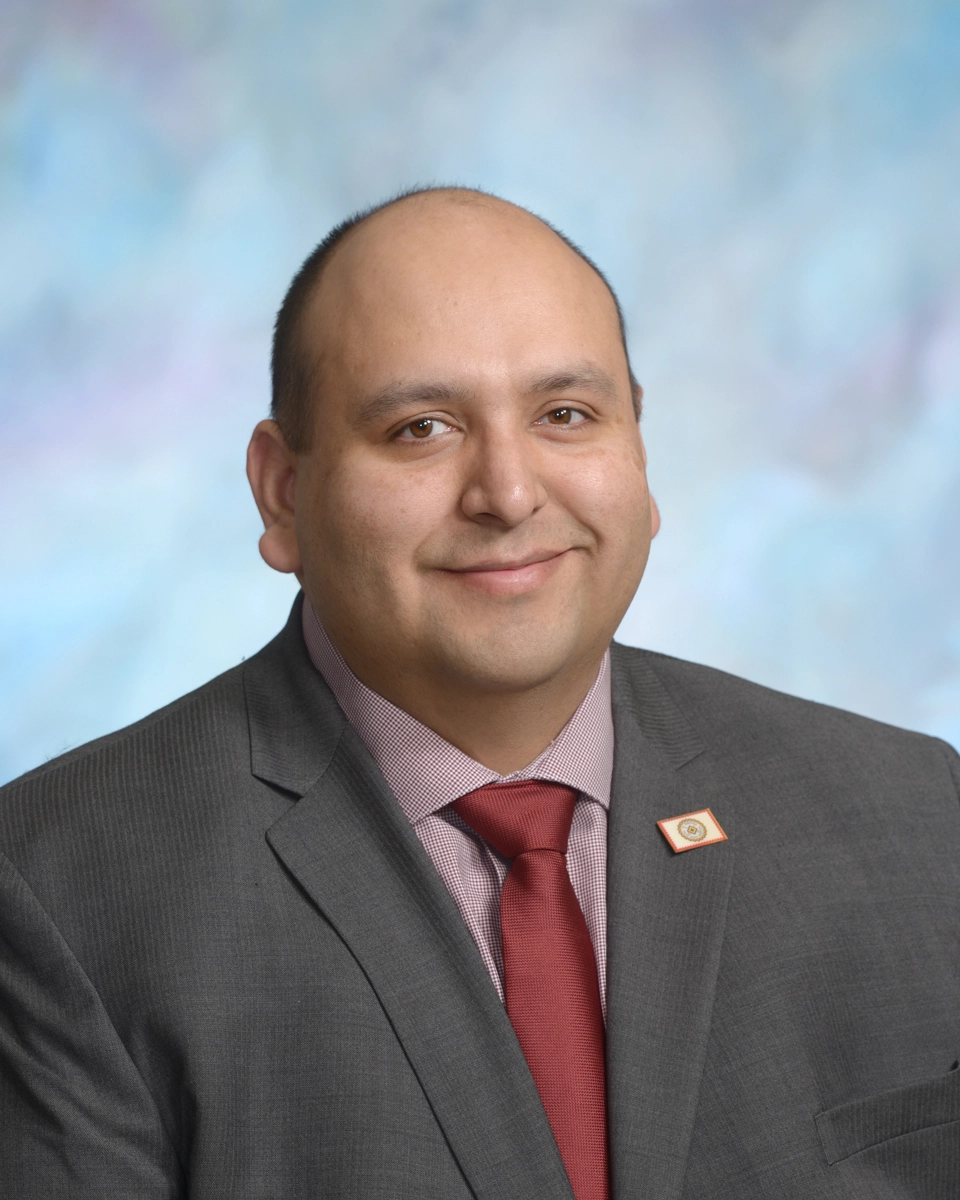
Rep. Eric Emery
Sponsored bills
Maddy summaryHB 1183 revises South Dakota's law granting immunity from prosecution for drug possession charges after an overdose. It directly affects individuals experiencing a drug-related overdose who contact emergency services for medical help. The key change specifies that immunity only applies if the evidence used for any charges stems from the overdose event itself and the need for medical assistance. This clarifies eligibility for the existing immunity provision, requiring that the evidence leading to prosecution originated during the overdose situation. The bill does not expand immunity but refines the conditions under which it applies.
Maddy summaryHB 1138 requires non-medical home care agencies in South Dakota to obtain a license from the Department of Health before operating. Agencies must submit applications, pay a fee (capped at $100), and verify that home care aides complete 10 hours of mandatory training (covering dementia care, safety, nutrition, and abuse reporting) and pass criminal background checks. The bill directly affects home care agencies, their employees (home care aides), and clients receiving services like bathing assistance, meal prep, or companionship in their homes. Operating without a license is a Class 1 misdemeanor, and agencies must maintain client records and allow department inspections.
Maddy summaryThis bill appropriates $5 million from the general fund to provide grants for volunteer fire departments in South Dakota to purchase safety gear (like helmets and suits) for their firefighters. It specifically targets departments where at least 70% of firefighters volunteer, prioritizing those with the greatest equipment needs. The Department of Public Safety will distribute funds based on application timing and need, with unspent funds reverting by June 2030. An emergency declaration allows the funding to take effect immediately upon passage.
Maddy summarySB 204 revises loan criteria for the South Dakota Housing Infrastructure Fund. It changes the fund's distribution to allocate 50% of monies to housing infrastructure in municipalities with populations over 50,000 (previously 30%) and 50% to other areas (previously 70%). The bill also increases the maximum loan amount from one-third to one-half of a housing infrastructure project's total cost and allows up to 1% of the loan principal to cover administrative expenses. This directly affects municipalities, housing developers, and projects seeking infrastructure loans under the fund.
Maddy summaryHB 1175 revises South Dakota law to clarify that the Sisseton-Wahpeton Sioux Tribe (and other Indian tribes) can request background checks through the Division of Criminal Investigation for specific tribal positions. It directly affects tribal members seeking roles as tribal council members, judges, conservation officers, educators, child protection workers, and others listed in the bill. The key mechanism requires tribes to submit applicants' fingerprints to the state division, which then forwards them to the FBI for a national check if no state-level disqualifications exist, with tribes or applicants covering processing fees.
Maddy summaryHB 1244 repeals South Dakota’s special donations fund (created under § 13-66-3) and appropriates $500,000 from the general fund to the Department of Education. This grant supports the Jobs for America's Graduates-South Dakota program by providing financial assistance to school districts and accredited nonpublic schools implementing the initiative. The funds must match private donations or federal grants for program operations and cannot be added to an endowment. It directly affects schools participating in the JAG program and transfers existing funds from the repealed special donations fund into the general fund. The bill takes effect June 30, 2026.
Maddy summaryHB 1215 allows South Dakota counties and municipalities to issue licenses for cigar bars, directly affecting business owners seeking to operate such establishments and local governments responsible for licensing. The bill requires cigar bars to have a humidor, be fully enclosed with proper ventilation, generate at least 10% of income from cigar sales, and prohibit all tobacco products except cigars. Local governments must hold public hearings for applications and report annual cigar sales income to the Department of Revenue, while also posting clear smoking restrictions. The law explicitly excludes these venues from other liquor license limits and prohibits transferring licenses to new owners.
Maddy summaryThis bill creates a taskforce to study how South Dakota could establish Medicaid managed care entities specifically serving tribal communities, as defined under federal law. The taskforce includes representatives from all federally recognized South Dakota tribes, state health and social services agencies, healthcare providers, insurance companies, and tribal relations officials. It must gather input from stakeholders and submit findings and potential legislation to the Governor by December 2028. The bill does not implement new programs but sets a process for evaluating this option.
Maddy summaryHB 1311 requires South Dakota's Board of Technical Education and Board of Regents to annually report funding received from specified foreign sources to public institutions they oversee. The bill defines "foreign sources" as governments or entities from China, Cuba, Iran, North Korea, Russia, or Venezuela, or foreign-owned organizations over 10% controlled by them. Institutions must disclose the amount, source, purpose, and documentation of such funding (excluding tuition payments) in a public annual report due by August 31 each year. This transparency measure applies only to funding received on or after July 1, 2026, and does not affect existing confidential information.