

Maddy summaryThis bill establishes a minimum hourly wage of $20 or a living wage for education support professionals in Pennsylvania public schools, effective for the 2024-2025 school year. It requires schools to pay overtime at 1.5 times the standard rate and mandates that salaried workers be paid based on their actual hours worked to meet this threshold. For employees currently covered by existing contracts with lower wages, the law requires schools to make supplemental payments to bridge the gap until the contract expires or is renewed. The Department of Labor and Industry is tasked with calculating and annually adjusting the living wage based on inflation data, while the state provides funding to school districts to cover the cost of these wage increases. Additionally, the legislation updates procedures for school boards, requiring a majority vote and proper recording for certain decisions.
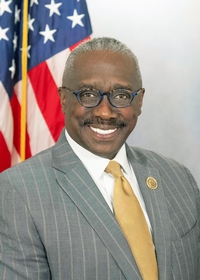
Rep. Dan Williams
Sponsored bills
Maddy summaryThis Pennsylvania bill establishes the Clean Hydrogen Production Act to regulate the development of clean hydrogen projects and create a state tax credit program to support them. It directs the Environmental Quality Board to oversee applications, conduct investigations, and set specific rules for these projects while requiring investor-owned utilities to report on their activities and federal funding. The legislation defines clean hydrogen based on low emissions standards and includes provisions to consider the impact on disproportionately impacted communities during the review process. Additionally, the bill creates a tax credit system that allows businesses to claim credits for qualifying clean hydrogen production, with options to carry forward, carry back, or sell these credits.
Maddy summaryThis bill amends Pennsylvania's Human Services Code to update definitions related to child care and establish a new copayment system for families receiving subsidized child care. It clarifies terms such as "child care," "child-care center," and "family child-care home" to specify who is covered and under what conditions. Under the new rules, parents or caretakers must pay a portion of the child care cost based on their family's annual income, with a cap of fifteen percent. The legislation also provides special provisions for families where the parent or caretaker works as a child-care employee or a direct support professional, ensuring they remain eligible for subsidies regardless of income level while still requiring a capped copayment.
Maddy summaryThis bill designates September of each year as "International Underground Railroad Month" throughout Pennsylvania. It aims to honor the courage of freedom seekers and the individuals who assisted them in escaping slavery through a clandestine network. The legislation includes a list of historical findings that highlight the significance of the Underground Railroad and its role in the state's history. Importantly, the bill clarifies that this designation does not require employers to treat September as a paid holiday or provide special leave for employees.
Maddy summaryThis bill requires Pennsylvania vehicle safety inspections to include a test for window tint levels using a specialized meter. If a car with tinted windows fails to meet state regulations, it will not pass the inspection. Additionally, the law makes it illegal for businesses to sell window tinting services without telling customers that the modification might violate tint limits. This provision aims to prevent deceptive practices by allowing consumers to take legal action against shops that hide potential compliance issues. The changes will become effective 60 days after the bill is signed into law.
Maddy summaryThis bill creates the Public Utility Credit Act to require public utilities in Pennsylvania to report customer credit information. It defines public utilities to include companies providing electricity, gas, water, transportation, and communications services, while excluding private cooperatives and certain internal building systems. The legislation mandates that these utilities maintain credit records and share them with other providers to help assess a customer's ability to pay for services. By establishing these reporting duties, the bill aims to improve credit assessment for utility accounts across the state.
Maddy summaryThis bill updates Pennsylvania's Landlord and Tenant Act to clarify lease rules and introduce a rent reporting system for residential properties. It maintains the existing distinction that leases of three years or less can be oral, while requiring written contracts for any lease term longer than three years. Additionally, the legislation establishes a voluntary program where landlords can report on-time rent payments to consumer reporting agencies, such as credit bureaus, to help tenants build credit history. Landlords participating in a specific building credit program must provide written notice to tenants about the option to report their rent payments. These changes aim to provide clearer guidelines for lease agreements and offer tenants a potential way to improve their credit profiles through consistent rent payments.
Maddy summaryThis bill updates Pennsylvania's Public Utility Confidential Security Information Disclosure Protection Act to create a specific exception for government agencies. It requires public utilities to share emergency response plans and other records with federal or state authorities, such as the National Transportation Safety Board, when there is a reasonable belief of a safety risk or potential harm. The legislation ensures that agencies receiving this information can use it without fear of violating confidentiality rules or triggering public record requests under the Right-to-Know Law. The changes apply to all public utilities in the state and take effect 60 days after the bill is passed.
Maddy summaryThis resolution directs the Joint State Government Commission to conduct a study on improving Home and Community-Based Services waivers for individuals with disabilities in Pennsylvania. The investigation will examine how these programs, managed by the Office of Long-Term Living and the Office of Developmental Programs, can better meet medical needs, reduce barriers to community living, and enhance employment opportunities. Specifically, the study will compare service menus and pay rates between the two offices, analyze administrative processes, and review how other states have addressed similar challenges. Ultimately, the commission is tasked with issuing a report containing recommendations to improve eligibility, access to care, and support services for this population.
Maddy summaryThis bill updates Pennsylvania laws regarding how the State Treasurer can distribute small amounts of unclaimed money or property left by deceased residents. It allows the Treasurer to pay these funds directly to eligible family members, such as spouses, children, or parents, without appointing a formal legal representative if the estate is valued at $11,000 or less and no five-year waiting period has passed. To receive the money, claimants must provide a death certificate and a sworn affidavit proving their relationship to the deceased and confirming that no personal representative has been appointed. The legislation also clarifies that once the State Treasurer makes a payment to an eligible family member, they are no longer responsible for how those funds are used.