

Maddy summaryThis bill creates a new grant program in Pennsylvania to encourage the construction of workforce housing in areas that might otherwise resist such development. Local governments can apply for funding if they commit to adopting at least five specific pro-housing policies, such as reducing permit fees, allowing higher-density zoning, or eliminating parking requirements. The program aims to increase home ownership and support major economic projects by providing financial assistance to counties and municipalities that streamline their housing approval processes.
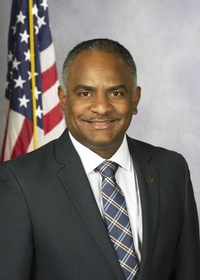
Rep. Danilo Burgos
Sponsored bills
Maddy summaryHB 586 amends Pennsylvania's Solid Waste Management Act to update definitions, clarify department responsibilities, and revise permit requirements for waste management entities. It specifically adds new rules for handling food processing residuals (waste from food processing plants) and includes reporting obligations. The bill also establishes penalties for noncompliance with these updated provisions. These changes directly affect waste management companies, food processors, and local departments overseeing waste handling. The amendment focuses on modernizing regulatory processes rather than creating new programs.
Maddy summaryThis bill creates a new State Board of Opticianry in Pennsylvania to oversee the registration and regulation of opticians. To practice, individuals must register with the board by passing a certification exam and holding current national certifications, while exempting experienced professionals and students from immediate requirements. The board will consist of opticians, eye care doctors, and a public member, and it will maintain a public registry of licensed professionals. Opticians must also complete specific continuing education credits every three years to keep their registration active.
Maddy summaryHR 390 is a ceremonial resolution recognizing March 2026 as "Women's History Month" in Pennsylvania. It does not create new laws or policies but formally acknowledges women's historical contributions to Pennsylvania and the nation through symbolic recognition. The resolution invites all Pennsylvanians to reflect on women's economic, cultural, and social roles, as detailed in the preamble's historical context. This is a non-binding gesture with no direct impact on specific groups or funding.
Maddy summaryHouse Resolution 408 designates April 2026 as "Financial Literacy Month" in Pennsylvania. This symbolic resolution does not create new laws or requirements but encourages public awareness and education about financial literacy, aligning with national observances like President Biden's 2021 proclamation. It follows Pennsylvania's history of supporting financial education initiatives without imposing obligations on individuals or organizations.
Maddy summaryThis bill prohibits law enforcement officers from detaining or arresting individuals for civil immigration violations on the property of houses of worship. The only exception allows for arrests if the officer is acting in an official capacity and holds a valid judicial warrant. Additionally, the legislation bars state and local agencies from using taxpayer funds to conduct immigration enforcement and imposes a $10,000 civil penalty for any violations of these rules.
Maddy summaryThis bill amends Pennsylvania's standby guardianship laws to clarify definitions and streamline the process for seeking court approval of a designated guardian. It directly affects parents who want to name a standby guardian to care for their minor children if the parent becomes incapacitated, disabled, absent, or passes away. The key provision requires specific documentation to prove the triggering event has occurred before a standby guardian can file a petition for court approval, including medical determinations, consent forms, absence documentation, or a death certificate. The changes take effect 60 days after the bill is enacted.
Maddy summaryHB 1964 imposes a temporary pause (moratorium) on selling or leasing public water and wastewater systems to private companies. It creates a Water Utility Reform Working Group to develop recommendations for system management and reform. The bill also repeals specific rules about how acquired water systems are valued. This directly affects communities that own public water systems and their residents, as it delays potential privatization and sets up a process for reviewing system operations.
Maddy summaryHB 879 would change Pennsylvania law to allow both state and local prosecutors to pursue charges for riot, disorderly conduct, and related offenses that currently fall under state jurisdiction alone. This bill directly affects law enforcement agencies, prosecutors, and individuals charged with these specific offenses by expanding who can bring legal action. The key provision establishes "concurrent jurisdiction," meaning local district attorneys and the state attorney general could both prosecute the same case without requiring state involvement. The bill aims to streamline enforcement for these offenses but does not alter the penalties or definitions of the crimes themselves.
Maddy summaryThis bill updates Pennsylvania election laws to streamline how votes are counted and how disputes are handled in primaries and general elections. It requires the Secretary of the Commonwealth to immediately tabulate and certify election results, while also mandating that courts resolve election appeals within seven days. Additionally, the legislation allows for a rapid appeal to the Supreme Court within one day of a lower court's decision, ensuring a final ruling is issued before the meeting of presidential electors. These changes aim to accelerate the certification of election outcomes and provide a faster legal process for challenging election results.