

Maddy summaryThis bill requires Pennsylvania health care facilities, including emergency departments and urgent care centers, to adopt standardized protocols for identifying and assisting patients who may be victims of human trafficking. The Department of Health is tasked with creating these guidelines within 180 days, which will include trauma-informed screening questions, private interview procedures, and specific steps for referring individuals to support services even if they do not wish to involve law enforcement. To ensure staff are prepared, the law mandates that all clinical and patient-facing employees complete initial training upon hiring and undergo continuing education every two years. Additionally, facilities must annually report de-identified data on screenings and referrals to the Department of Health, which will then submit a summary report to the General Assembly.
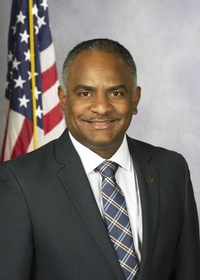
Rep. Danilo Burgos
Sponsored bills
Maddy summaryThis bill updates Pennsylvania's Physical Therapy Practice Act to formally define "dry needling" and expand the scope of services available to licensed physical therapists. It mandates that only physical therapists who complete a board-approved certification program may perform dry needling, while explicitly excluding this practice from the duties of physical therapist assistants. The legislation also clarifies the definitions of physical therapy to include a broader range of interventions such as mechanical stimulation and wellness promotion. These changes aim to standardize training requirements and delineate the specific responsibilities of different therapy professionals within the state.
Maddy summaryHB 562 amends Pennsylvania's 1883 law governing federal lands to explicitly include juvenile cases under the state's retained "concurrent jurisdiction." This means Pennsylvania courts will maintain authority over juvenile matters occurring on federal lands (like post offices) that were previously ceded to the U.S. government. The bill updates the 1883 statute to clarify that the state retains this specific jurisdiction, ensuring juvenile cases are handled under Pennsylvania law rather than solely federal authority. As a procedural amendment to existing law, it does not create new policy but formalizes current practice.
Maddy summaryHB 1800 would repeal the current legal provisions in Pennsylvania that recognize marriage between people of the same sex by removing specific sections from the domestic relations code. The bill directly affects same-sex couples currently married in Pennsylvania, as it would eliminate the statutory basis for their marriages. Key provisions include amending definitions in the preliminary sections of the code and striking down existing language that addresses same-sex marriage. The bill is currently referred to the Judiciary committee and has not been enacted.
Maddy summaryThis bill would create a state-funded paid family and medical leave program for eligible workers needing time off for health issues, childbirth, or family care. It establishes a dedicated state fund to cover leave costs, creates an advisory board to guide implementation, and assigns oversight to the Department of Labor. The program would directly affect employees in the state who qualify for these leave types, requiring employers to provide the benefits. The bill also specifies penalties for businesses failing to comply with the new requirements.
Maddy summaryThis bill amends Pennsylvania's Election Code to change the deadline for receiving absentee and mail-in ballots from election day to the seventh day following the election. It allows voters who declare under penalty of perjury that their ballot was timely submitted to have their ballots counted even if they lack a postmark or have an unreadable one. The changes apply to both traditional absentee voters and new mail-in voters, ensuring ballots received by the extended deadline are processed and counted. The legislation would take effect 60 days after passage.
Maddy summaryThis bill creates a tax credit for Pennsylvania educators who purchase instructional materials or supplies for classroom use. Professional employees in public, charter, cyber, and nonpublic schools can claim a credit equal to the amount they spent on qualifying expenses, up to a maximum of $500 per year. The Department of Revenue will establish rules to determine which expenses qualify and must publish guidelines online while submitting annual reports on program usage. The credit applies to tax years beginning on or after January 1, 2025, and cannot be carried forward, carried back, sold, or assigned.
Maddy summaryThis bill allows Pennsylvania vehicle owners to choose a two-year registration option instead of renewing annually. Under the new provision, drivers can pay a fee equal to twice the standard annual rate, reduced by at least 10% of the total registration fee excluding local use charges. The option applies to most motor vehicles but excludes those registered under the International Registration Plan, seasonal registrations, and circus or carnival plates. The change would take effect 60 days after the bill is enacted.
Maddy summaryHB 1191 strengthens railroad safety in Pennsylvania by prohibiting railroads from blocking highway crossings for more than five minutes (with $10,000 penalties), limiting freight train lengths to 8,500 feet, and requiring two-person crews for freight trains (with limited exceptions for smaller railroads). The bill authorizes union representatives to monitor safety practices and operations, mandates functional wayside detector systems on higher-risk tracks, and creates a reporting system for hazardous materials transportation. It directly affects all railroads operating in Pennsylvania, including their safety protocols, staffing, and infrastructure maintenance. Penalties for violations range from $1,000 to $25,000 for crew-related breaches, with enforcement handled by the Public Utility Commission.
Maddy summaryHB 1260 would allow businesses owning warehouses or distribution centers to install solar energy systems by providing tax exemptions for "solar-ready" projects. It directly affects commercial property owners in the state by reducing their tax burden for qualifying solar installations. Key provisions include authorizing special tax breaks, requiring the Department of Environmental Protection to establish guidelines for these projects, and imposing fines for non-compliance with solar-ready construction standards. The bill aims to incentivize renewable energy adoption in large commercial facilities through concrete tax policy changes.