

Maddy summaryThis bill updates Pennsylvania's laws to allow the Department of Transportation and the Pennsylvania Turnpike Commission to use a "design-build best value" method for selecting contractors on highway and bridge projects. Instead of relying solely on the lowest price, agencies can evaluate proposals based on a combination of cost, technical quality, and the ability to meet project goals. The legislation sets specific limits on how many of these new procurements can occur each year and establishes rules for how long agencies must advertise projects before accepting bids. It also introduces new requirements for evaluation committees, ensuring they have enough members and that individuals with recent ties to bidding companies cannot vote on those companies' proposals. Additionally, the bill allows agencies to pay unsuccessful bidders for the time and effort spent preparing their proposals under certain conditions.
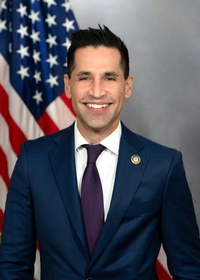
Rep. Tarik Khan
Sponsored bills
Maddy summaryThis resolution designates October 17, 2024, as "Chuck Tanner Day" in Pennsylvania to honor the legacy of the late baseball manager and player. The measure recognizes Tanner's career achievements, including his role in leading the Pittsburgh Pirates to a World Series championship on that specific date in 1979. It does not create new laws or change government operations but serves as a formal acknowledgment of his contributions to sports.
Maddy summaryThis bill is a House Resolution that designates December 14, 2024, as "Wreaths Across America Day" in Pennsylvania. It honors the organization's mission of placing wreaths on the graves of military veterans and fallen service members at cemeteries nationwide. The resolution calls on residents to reflect on the sacrifices of these individuals and their families during the holiday season. As a commemorative measure, the bill does not alter laws or create new programs but serves to recognize a specific date for remembrance.
Maddy summaryThis Pennsylvania bill creates a new Employee Misclassification Working Group to coordinate efforts among state agencies in identifying and addressing cases where workers are incorrectly classified as independent contractors rather than employees. The legislation mandates that the Department of Revenue share tax information with specific labor and unemployment offices to help investigate these misclassification issues and requires the use of federal identification numbers to streamline data matching. The working group itself will be led by a representative from the Department of Labor and Industry and will include members from the Department of Revenue and the Office of Attorney General, with optional participation from local prosecutors and labor enforcement officers. Meetings of the group are required to occur at least every three months to develop and oversee enforcement strategies.
Maddy summaryThis bill establishes the Health Insurance Access Protection Act to prevent insurance companies from discriminating against people based on their health status, medical history, or preexisting conditions. It requires insurers to allow individuals and their dependents to enroll in or renew health plans without denying coverage or charging higher premiums due to these health factors. The law also limits how much insurance rates can vary based on age and tobacco use while giving the Insurance Department authority to set specific rating rules and enforce penalties for violations.
Maddy summaryThis bill updates Pennsylvania's insurance laws to expand health coverage for adult children of policyholders. It requires health insurance policies to keep covering children up to age 26 without denying them based on factors like marital status, residency, or employment. Additionally, the law allows insurers to offer continued coverage until age 29 for unmarried adult children who are full-time students or residents, provided they meet specific eligibility requirements. These changes primarily affect individuals purchasing or renewing health insurance plans and the insurance companies that issue them.
Maddy summaryThis Pennsylvania bill, known as the Health Insurance Protection Against Limitations Act, requires health insurers to remove annual and lifetime dollar limits on core medical benefits for both individual and group plans. The law specifically applies to policies that were first offered or issued in the state in 2024, ensuring that essential services are not capped over time. To enforce these rules, the Insurance Department is authorized to create regulations and impose penalties, including fines up to $500,000 for insurers, on companies that violate the coverage protections. Additionally, the bill mandates that the Insurance Commissioner notify the state legislature if federal laws protecting against such limits are repealed or invalidated.
Maddy summaryHB 155 amends the Pennsylvania Health Care Facilities Act to update licensing requirements and strengthen consumer protections for residents of health care facilities. The bill includes a specific change to strike the phrase "or other" from the text, which alters how certain regulatory language is applied within the law. By modifying the existing statute and abrogating a specific regulation, the legislation aims to refine the legal framework governing health care facility operations. This measure directly impacts health care providers and facility administrators who must comply with the revised licensing standards.
Maddy summaryThis Pennsylvania bill updates a 19th-century law to allow county recorders of deeds to officially file discharge papers for honorably discharged military personnel. The legislation defines "discharge" to include various forms of separation documents, such as DD Form 214, for individuals who served in the U.S. armed forces or reserve components. Under the new rules, recorders may charge a fifty-cent fee for recording these documents, but the records must remain confidential and only accessible to the veteran, their family, or specific government and judicial entities. Additionally, the bill repeals the original 1868 statute while ensuring that any ongoing administrative actions under the old law can continue under the new framework.
Maddy summaryThis bill amends Pennsylvania's Cosmetology Law to explicitly include natural hair braiders in its licensing requirements. It mandates that individuals performing natural hair braiding must obtain a cosmetology license and work only in licensed salons, while also prohibiting the rental of booths within those establishments. The legislation clarifies that these rules apply solely to those whose business is dedicated to braiding and does not affect emergency services, medical professionals, or licensed barbers. Additionally, the bill establishes specific eligibility criteria for taking the required examination and outlines the fees and renewal processes for these new licenses.