

Maddy summaryThis bill creates a new tuition assistance program in Pennsylvania to help current early childhood educators earn associate degrees or certifications. To qualify, applicants must work at least 25 hours per week in an approved early childhood program, have a household income at or below 400% of the federal poverty level, and commit to working in the state for two years after finishing their studies. The program provides grants that cover the cost of attendance minus any other financial aid received, paid in two installments per semester. Funding for the program comes from an annual state appropriation, federal money, and other grants, with the Pennsylvania Higher Education Assistance Agency responsible for administering it and reporting on student outcomes.
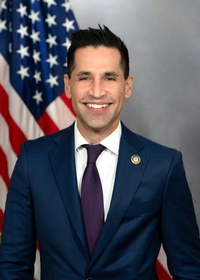
Rep. Tarik Khan
Sponsored bills
Maddy summaryThis bill establishes tourism improvement districts and management associations to allow counties to create special zones for funding tourism-related projects. It outlines how these districts can be formed, how they operate, and how they can be dissolved, with a focus on ensuring transparency through open meeting laws and direct mail notifications to affected businesses. The legislation also details how special assessment fees are collected and used, requiring that these funds be spent on activities specified in an approved plan. Additionally, the bill clarifies the roles of counties and district management associations, including provisions for annual audits and reports.
Maddy summaryThis bill designates June 30, 2024, as "Mayor Elizabeth 'Libby' White Day" throughout Pennsylvania to honor the life and legacy of the late Doylestown mayor. The resolution recognizes White's contributions as the borough's first female mayor, highlighting her work in community initiatives like the "Clean and Green" project and her role in establishing regional police and courthouse facilities. By officially setting aside this specific date, the legislation aims to celebrate her service and encourage others to emulate her humility and dedication to their communities.
Maddy summaryThis Pennsylvania House resolution designates the week of October 13 through 19, 2024, as "Credit Union Week" to recognize the role of credit unions in the state. The measure highlights how these financial cooperatives provide low-cost services and financial education to over 5.3 million members across Pennsylvania and New Jersey. By officially naming this time period, the resolution aims to raise awareness about credit unions' commitment to community service and member advancement. The text is a ceremonial designation that does not alter laws or create new regulations.
Maddy summaryThis bill designates October 12, 2024, as "1982 Cheyney State College Lady Wolves Women's Basketball Team Day" in Pennsylvania to honor the team's historic achievements. It recognizes the 1982 squad as the first HBCU women's basketball team to reach the NCAA Division I Final Four during the inaugural tournament. The resolution also highlights the legacy of Coach C. Vivian Stringer and acknowledges the team's induction into the Women's Basketball Hall of Fame. This measure serves as a commemorative tribute rather than implementing new laws or funding changes.
Maddy summaryThis resolution designates October 22, 2024, as "Kappa Alpha Psi Day" throughout Pennsylvania to honor the history and contributions of the Kappa Alpha Psi Fraternity. The measure highlights the organization's founding in 1911, its extensive network of chapters, and its various community programs focused on mentoring youth and philanthropy. By officially recognizing this date, the Pennsylvania House of Representatives aims to celebrate the fraternity's 113 years of achievement and its commitment to empowering its members.
Maddy summaryThis bill creates a three-year pilot program in Pennsylvania to raise salaries for pre-kindergarten teachers to match those of elementary school teachers with similar skills. The Department of Education will select participating programs based on poverty levels, compare teacher qualifications, and use a specific formula to calculate the necessary salary increase. Funding for these raises will come from federal, state, private, or other non-state sources, with strict rules requiring that all money be used solely for teacher pay. The program will also collect data and submit a report to the General Assembly after one year to evaluate its success and suggest future improvements.
Maddy summaryThis bill updates Pennsylvania state laws to strengthen support for veteran-owned and small disadvantaged businesses by setting participation goals and creating new programs. It requires the Department of General Services to establish specific targets for contracting with these businesses and mandates a study to check if there is a gap between available businesses and their actual use by the state. The legislation also allows for waivers of these goals in certain cases and provides financial protections like bonding and progress payments to help these companies secure contracts. Additionally, it defines key terms such as "veteran-owned small business" and outlines rules to prevent fraud while ensuring fair opportunities for diverse contractors.
Maddy summaryThis bill establishes a three-year pilot program in Pennsylvania to provide salary supplements to Head Start teachers, aiming to align their pay with that of elementary school teachers who have comparable skills and experience. The program would target school districts with at least 20% poverty rates or independent Head Start programs located in census tracts with poverty levels at or below 80% of the statewide median. Under the plan, the Department of Education would calculate the salary difference for participating teachers and provide funding to close that gap, while strictly monitoring that all funds are used solely for salary increases. The bill also requires the department to submit an annual report to the General Assembly detailing the program's implementation, results, and recommendations for future changes.
Maddy summaryThis bill modifies Pennsylvania's Election Code to clarify rules for primary elections, specifically regarding who can vote and how unaffiliated voters participate. It establishes that only voters registered with a political party can normally vote in that party's primary or hold party offices, while also creating a new process for unenrolled electors to temporarily join a party to cast a single primary ballot. The legislation defines "unenrolled electors," outlines procedures for them to select a party at the polls, and updates requirements for absentee and mail-in voting applications. Additionally, it clarifies how election returns are computed and certified by county boards and adjusts penalties for election officers who improperly deny a voter access to their preferred party's primary.