

Maddy summaryHB 1511 creates the Violent Incident Clearance and Technological Investigative Methods Program within Pennsylvania's Commission on Crime and Delinquency. The bill requires the Commission to establish this program, which provides funding and guidance for law enforcement agencies to use technology like digital forensics and data analysis to solve violent crimes more effectively. It directly affects Pennsylvania law enforcement agencies handling violent incidents by mandating new reporting requirements and resource allocation for technology-driven investigations. The program aims to improve clearance rates for violent crimes through standardized, tech-enhanced investigative methods.
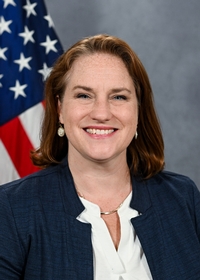
Rep. Heather Boyd
Sponsored bills
Maddy summaryHB 846 amends Pennsylvania's Prevailing Wage Act to clarify job definitions, specify how prevailing wages are calculated for public construction projects, and detail the Labor Secretary's responsibilities. It directly affects construction workers, contractors, and state agencies managing public works by updating administrative processes. The bill makes technical changes to implementation without altering the core requirement that public projects pay local standard wages. These updates aim to improve consistency in applying the existing law across state-funded projects.
Maddy summaryHB 1364 reorganizes Pennsylvania's transportation funding by reallocating money from the Public Transportation Trust Fund to support road and bridge projects. It creates two new funds (the Road and Bridge Project Fund and its Sinking Fund), allows a state agency to issue bonds for infrastructure work, and establishes a Transportation Funding Advisory Commission to guide spending. The bill directly affects how the state finances road repairs and bridge maintenance, adjusting fund distributions and adding oversight. Key changes include authorizing bond sales for projects and requiring the Department of Transportation to follow new allocation rules. These provisions aim to streamline and increase funding for transportation infrastructure without specifying particular projects or outcomes.
Maddy summaryHB 1119 amends Pennsylvania's real estate tax exemption rules for disabled veterans under Title 51 of the Consolidated Statutes. It directly affects Pennsylvania veterans who are disabled and own real estate, by modifying the existing exemption provisions. The bill focuses on adjusting how the exemption applies to their property taxes, though specific changes to eligibility or calculation methods are not detailed in the provided context. This legislative action aims to refine the tax relief program for veterans through statutory updates.
Maddy summaryHB 1587 requires drivers to obey school crossing guards' signals at school zones, mandating they stop within 10-30 feet of the guard or crosswalk and remain stopped until the guard signals to proceed. It directly affects drivers near schools during children’s arrival/departure times, with violations punishable by a $250 fine plus a $35 surcharge. The surcharge funds Pennsylvania’s School Bus Safety Grant Program, which supports safety initiatives. The law takes effect 180 days after enactment and defines "school crossing guard" as an appointed person managing traffic during school hours.
Maddy summaryThis bill (HB 1384) amends Pennsylvania's juvenile justice laws under Title 42, specifically addressing confinement in juvenile treatment facilities. The bill's title indicates it aims to change how juveniles are confined within these facilities, though the specific provisions or changes to confinement procedures are not detailed in the provided context. It directly affects juveniles involved in the state's juvenile justice system and the facilities that house them. The bill was referred to the Judiciary Committee on June 10, 2025, but the full text and exact mechanisms of the amendment are not included in the available information.
Maddy summaryHB 1548 authorizes Pennsylvania's State Workers' Insurance Board to sell health insurance policies directly to the general public, not just state workers. The program must include minimum coverage for inpatient/outpatient hospital care, emergency services, preventive care, and basic medical services like doctor visits, physical therapy, and lab tests. The Board may borrow up to 40% of the State Workers' Insurance Fund’s annual balance to cover claims and administrative costs, with premiums partially funding loan repayments. This program will begin on January 1, 2026, offering a new public option for health insurance in Pennsylvania.
Maddy summaryHB 1140 requires health insurers and Medicaid/CHIP managed care plans in Pennsylvania to cover all FDA-approved contraceptives - including prescription drugs, devices, emergency contraception (like levonorgestrel), and oral contraceptives - without any out-of-pocket costs for enrollees. It specifically prohibits prior authorization or step therapy for emergency and oral contraceptives, and mandates coverage for sterilization procedures and related services like counseling. The bill directly affects health insurers, managed care plans, and their enrollees by expanding contraceptive coverage under state insurance regulations. It exempts male condoms from coverage requirements but ensures no cost-sharing for covered contraceptive methods.
Maddy summaryHB 180 replaces Pennsylvania’s existing school lunch and breakfast reimbursement system with a new Universal School Meal Program, ensuring all public school students in the state can receive free meals regardless of family income or unpaid meal debt. The bill requires school districts to provide meals to any student who requests one (unless parents specifically withhold consent in writing) and prohibits schools from stigmatizing students with meal debt through wristbands, public identification, or denying activities like sports or graduation. It bans collecting fees, interest, or using collections agencies for unpaid meal costs, and mandates schools help families apply for assistance instead of pursuing debt. This directly affects over 1.5 million Pennsylvania public school students and their school districts, shifting from a means-tested system to universal access.
Maddy summaryHB 1506 would require Pennsylvania state and county correctional facilities to provide affordable communication services, such as phone calls or video visits, for inmates. This bill directly affects incarcerated individuals and their families by improving access to regular contact. The key provision mandates that all correctional institutions must offer these services at reasonable rates, aiming to support family connections during incarceration. The bill is currently under review by the Communications & Technology committee.