

Maddy summaryHB 1519 amends Pennsylvania's 1921 Insurance Company Law to require casualty insurance policies to cover mental illness treatments. This directly affects insurance companies writing casualty policies and policyholders seeking mental health services. The key provision mandates that insurers include mental health coverage in standard casualty policies, aligning it with other health coverage requirements. The bill focuses on expanding access to mental health care by ensuring it is covered under these specific insurance policies.
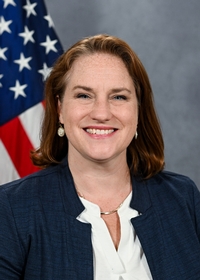
Rep. Heather Boyd
Sponsored bills
Maddy summaryHB 1518 amends Pennsylvania's driver licensing laws under Title 75 of the Consolidated Statutes. It focuses on updating procedures for applying for driver's licenses or learner's permits, as well as modifying the content, expiration, and renewal processes for licenses. The bill directly affects Pennsylvania drivers who apply for or renew their licenses. The provided context does not include specific provisions or mechanisms of the bill, only its title and referral to the Transportation committee.
Maddy summaryHB 1383 amends Pennsylvania's juvenile justice laws to clarify definitions, expand access to court records for certain parties, and adjust rules for transferring youth from juvenile to criminal court. It specifically removes outdated provisions about transferring cases to criminal proceedings and updates procedures for detention locations and court hearings. The bill directly affects juvenile courts, youth involved in juvenile cases, and legal representatives navigating these proceedings. These changes aim to modernize court processes while maintaining procedural safeguards for minors.
Maddy summaryHB 79 requires hospitals to establish clear financial assistance programs for patients who cannot afford care, including standardized forms and easily accessible information about eligibility and coverage. It mandates that hospitals publicly share details about their financial aid policies and report their program rules to the Department of Health. These requirements directly affect hospitals operating in the state and patients seeking financial help with medical bills. The bill aims to standardize and increase transparency in hospital financial aid offerings.
Maddy summaryHB 926 requires healthcare facilities to establish violence prevention committees to address workplace violence. These committees must develop safety plans, and facilities must report violent incidents to the Department of Labor and Industry. The Department gains authority to enforce compliance, impose fines, and issue administrative penalties for violations. This bill directly affects hospitals, clinics, and all healthcare workplaces covered under state labor regulations.
Maddy summaryHB 1263 establishes Pennsylvania's Keystone Saves Program, creating a state-run savings initiative for low-to-moderate income residents. The bill sets up a dedicated program fund and administrative fund managed by the Treasury Department, which will handle investments while adhering to fiduciary responsibilities. An advisory board will oversee program implementation and ensure it meets the needs of participants. This program directly affects eligible Pennsylvanians by providing a structured savings option, with the Treasury Department responsible for managing funds and investments.
Maddy summaryHB 140 amends Pennsylvania's Unfair Trade Practices and Consumer Protection Law to add specific definitions related to algorithmic rent-setting software. The bill defines "unfair methods of competition" to include using software that analyzes rental data (like historical prices or occupancy rates) to recommend rent amounts, lease terms, or occupancy levels for residential or commercial properties. Landlords using such software would be directly affected, as its use could now be considered an unfair practice under the law. The definition explicitly excludes aggregated rental reports published monthly and tools used for affordable housing program compliance.
Maddy summaryHB 721 amends Pennsylvania's Construction Workplace Misclassification Act to strengthen protections for construction workers who are incorrectly classified as independent contractors instead of employees. The bill allows affected workers to file lawsuits against companies for misclassification and imposes criminal penalties for repeated violations, while also adding safeguards against employer retaliation for reporting violations. It expands administrative penalties for misclassification and requires that penalty funds be used to support enforcement efforts. This directly affects construction companies that misclassify workers and construction workers who lose benefits like overtime pay, health insurance, or workers' compensation due to improper classification.
Maddy summaryHB 433 requires health insurance plans to cover mammograms and breast imaging services without cost-sharing (like copays or deductibles) for policyholders. It directly affects women needing preventive breast cancer screenings and the insurance companies providing health coverage. The bill amends Pennsylvania’s 1921 Insurance Company Law to mandate this coverage for mammographic examinations and breast imaging under casualty insurance policies. This policy change ensures these essential preventive services are fully covered at no additional cost to patients.
Maddy summaryHB 630 amends Pennsylvania's Equal Pay Law to strengthen protections against wage discrimination based on sex, race, or ethnicity. It adds definitions for "comparable work" (requiring similar skill, effort, responsibility, and working conditions) and clarifies that "wages" include all compensation like fringe benefits. The bill explicitly bans employers from requiring employees to refrain from discussing wages, using salary history to set pay, or asking about prior wages during hiring. It also establishes an Equal Pay Enforcement Fund to support enforcement efforts and clarifies that job titles alone cannot determine if jobs are comparable.