

Maddy summaryHB 1463, known as the Smoke Alarm Responsibility Act, regulates smoke alarms in rented dwelling units across Pennsylvania. It requires owners to install specific types of smoke alarms, such as those with a 10-year battery or electrical power, and ensure they are operational for new tenants. Tenants are responsible for maintaining and annually testing these smoke alarms, and must notify owners in writing of any deficiencies. Owners must then address reported issues within 96 hours. Violations of this act may result in a fine of up to $50.
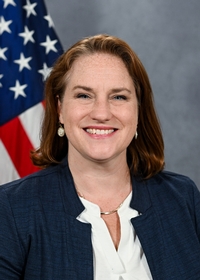
Rep. Heather Boyd
Sponsored bills
Maddy summaryHB 526 protects mothers' right to breastfeed their children in any public or private location where they are otherwise permitted to be, without being considered indecent exposure, a nuisance, or obscenity. It defines "breastfeeding" to include both direct feeding and expressing milk for bottle-feeding, and creates a private right to sue for violations, allowing recovery of $1,000 per incident plus attorney fees. The law applies broadly across Pennsylvania, ensuring mothers can feed their children without legal interference while maintaining existing protections from the repealed 2007 Freedom to Breastfeed Act.
Maddy summaryHB 813 amends Pennsylvania's Tax Reform Code of 1971 to exempt certain student loan discharges and employer educational assistance from personal income tax. Specifically, it excludes from taxation: (1) the discharge of eligible student loans under qualified federal forgiveness programs, and (2) employer-paid educational assistance that meets federal exclusion rules under Section 127 of the Internal Revenue Code. These exemptions apply to taxable years beginning after December 31, 2025. The bill directly affects Pennsylvania taxpayers who qualify for these specific student loan forgiveness or employer education benefits under federal programs.
Maddy summaryHB 1435 directs the Department of Human Services to seek federal approval to allow payments for specific personal care services. These services would be provided by legally responsible relatives to individuals who receive Medical Assistance. The bill specifies that these payments can only be implemented if the federal government grants a waiver. Additionally, the Legislative Budget and Finance Committee is required to study the costs of implementing any approved waiver and report its findings within three years.
Maddy summaryHB 1289 establishes a 2026 adjustment for retired municipal police officers and firefighters who retired before January 1, 2016, and have been retired for at least 10, 15, or 20 years as of January 1, 2026. Eligible retirees will receive monthly payments of $250, $375, or $500 based on their retirement duration, with reductions for prior benefits received and caps if multiple retirement systems apply. Municipalities must certify these payments and will receive full reimbursement from the Commonwealth for the 2026 costs. This extends a similar state reimbursement program previously used for 2002 adjustments.
Maddy summaryHB 921 establishes Pennsylvania's Low-Income Household Water Assistance Program to help residents with overdue water or wastewater bills after the federal program ends. It requires the Department of Human Services to create the program by July 1, 2026, with eligibility based on income, owning/renting a home in PA, and having overdue bills (including termination notices). Water or wastewater utility companies can apply for grants on behalf of eligible customers to prevent service termination, pay past-due bills, or restore services. The program mandates annual reports to the Governor and legislative committees detailing grant recipients, amounts, and expenditures. This policy directly affects low-income households facing water service disruptions and utility providers serving them.
Maddy summaryHB 1411 requires Pennsylvania's Department of Health to partner with healthcare providers (including OB/GYNs and community health centers) to create and distribute educational materials about perimenopause and menopause. The materials must cover symptoms, treatments, biological processes, and communication strategies for women identified by their providers as experiencing or approaching these stages. This directly affects women in Pennsylvania who are navigating perimenopause or menopause, providing them with standardized information to better understand and manage these health transitions. The bill amends the 1929 Administrative Code to add this specific duty to the Department of Health's responsibilities.
Maddy summaryThis resolution designates May 2025 as "Asian-American and Pacific Islander Heritage Month" in Pennsylvania. It symbolically recognizes the contributions of Asian-American and Pacific Islander communities to Pennsylvania and the nation, citing historical milestones like the arrival of the first Japanese immigrant in 1843 and Chinese railroad workers in 1869. The resolution encourages all Pennsylvania residents to learn about this heritage but does not create new laws, funding, or obligations. It directly affects the entire Commonwealth by formally designating a month for commemoration. As a non-binding resolution, it has no legal or financial impact beyond raising awareness.
Maddy summaryHB 1372 amends Pennsylvania's Public School Code to update rules for charter and cyber charter schools. It prohibits public school entities from paying for or accepting sponsorship for public events (Section 134(a.1)), and adds definitions for terms like "family member," "school district of residence," and "emergency" to clarify enrollment and operational requirements. The bill revises charter school accountability standards, requiring them to participate in state assessments, maintain nonsectarian operations, and follow specific enrollment rules (Section 1715-A). These changes directly affect charter school operators, school districts, and students by setting clearer financial limits, enrollment criteria, and operational expectations.
Maddy summaryHB 1376 amends Pennsylvania's Public School Code to establish standards for school-based health centers in public, private, and parochial schools. It requires these centers to provide accessible care without denying services based on payment ability, insurance status, or health conditions, while coordinating with students' existing primary care providers. Centers must offer a full range of services with proper parental consent, minimize barriers to care, and maintain confidentiality per federal law. The bill also creates a statewide advisory council and a department liaison to oversee implementation and ensure centers align with student needs like age, demographics, and community resources.