

Maddy summaryHR 173 is a non-binding resolution urging Congress to establish a National Infrastructure Bank. It does not create new laws or funding but formally requests Congress take action to create this bank, which would provide financing for infrastructure projects. The resolution directly affects Congress itself, as it calls on the legislative body to initiate this specific action. This is a procedural measure with no immediate policy impact, as it only expresses a recommendation.
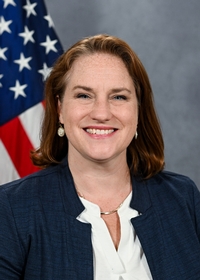
Rep. Heather Boyd
Sponsored bills
Maddy summaryHB 1564 amends the Human Services Code to change how copayments are calculated for subsidized child care programs. It directly affects low-income families who rely on state-funded child care assistance. The bill modifies the existing copayment structure but does not specify whether amounts increase, decrease, or change based on income tiers. This is a policy change to the public assistance system governing child care subsidies. (Note: The provided context does not detail the specific copayment changes, only the bill's purpose and referral history.)
Maddy summaryThis resolution urges Pennsylvania school districts to consider later start times for secondary schools (high schools), citing studies showing teens need 8-10 hours of sleep but 98% of PA schools begin before 8:30 a.m. It references CDC and AAP research linking later start times to improved academic performance, reduced absenteeism, and better mental health outcomes. The bill encourages districts to collaborate with health professionals and educators to develop schedules that maintain educational activities while adopting later start times, and asks state agencies to provide resources and public education on adolescent sleep needs. As a non-binding resolution, it does not require policy changes but recommends action based on existing evidence.
Maddy summaryHB 506 amends Pennsylvania's Human Services Code to establish a state-funded Child Care Staff Recruitment and Retention Program. It directly affects licensed child care providers and their staff by creating a new program to address staffing shortages. The key mechanism provides state funding for recruitment incentives and retention support, such as signing bonuses or professional development, for child care workers. The bill passed final passage on June 25, 2025, and was referred to the Health & Human Services committee.
Maddy summaryHB 1654 requires Pennsylvania school districts to set identical starting salaries for teachers holding the same grade span State instructional certification and salary step, beginning with the 2026-2027 school year. This applies uniformly across all districts, ensuring teachers with identical qualifications (certification type and experience level) receive the same initial pay regardless of where they are hired. The bill mandates this consistency in new-hire compensation without altering existing salary structures for current employees. It takes effect 60 days after enactment, with the first application for the 2026-2027 school term.
Maddy summaryHB 1653 creates competitive grants to help nonprofit early childhood organizations and public school districts establish or expand child-care centers in rural Pennsylvania counties with low population density (under 291 people per square mile). The grants fund facility costs like construction or renovation, and provide two years of salary supplements to ensure child-care staff earn comparable pay to public school teachers. Recipients must partner with local businesses to cover some child-care fees for employees, aiming to maintain staffing levels after the grant period ends. This bill directly supports rural communities facing childcare shortages by making it financially feasible to open or grow quality early childhood programs.
Maddy summaryHB 1095 modifies Pennsylvania court records to limit public access to eviction information in dockets and indices. It directly affects tenants, landlords, and court clerks by restricting how eviction history is shared while requiring the Administrative Office of Pennsylvania Courts to process these records under the new rules. The key provision creates a "limited access" system for eviction data, meaning the public cannot freely view these records as they currently can. This change applies specifically to eviction-related court documents within the state's judicial system. The bill passed the House on June 23, 2025, and was referred to the Judiciary Committee.
Maddy summaryHB 1644 creates Pennsylvania's Reproductive Health Services Address Confidentiality Program, allowing reproductive health service providers and patients who fear violence to use a confidential substitute address (like a PO box) instead of their actual home or work address. Participants apply through the Department of Health, providing their actual address and details about pending legal cases; the program issues a substitute address and forwards their first-class mail at no cost. The program keeps participants' actual addresses confidential, sharing them only with law enforcement in emergencies or for prosecution under penalties, and restricts access to program records under the Right-to-Know Law. This applies to individuals seeking services related to pregnancy, contraception, or termination of pregnancy, with certifications valid for three years.
Maddy summaryHB 1638 requires pharmacies and dispensers to display a provider's healthcare practice name instead of their personal name on prescription labels for mifepristone, misoprostol, or their generic alternatives. This applies to any licensed provider (including physicians or prescribers) who requests this change for reproductive medication prescriptions. The law mandates that dispensers comply with such requests, effectively shielding the provider's identity on the label. It takes effect 30 days after enactment.
Maddy summaryHB 1645 protects licensed healthcare professionals in Pennsylvania from losing their licenses or facing disciplinary action for providing reproductive health care services, including abortion. The bill prohibits licensing boards from disciplining individuals who assist in such services, even if they were sanctioned in another state for the same work when it would have been legal in Pennsylvania. It defines "reproductive health care services" to include medical care related to pregnancy, contraception, and termination of pregnancy. The law takes effect 60 days after enactment.