

Maddy summaryHB 1751 creates a new Office of Employee Ownership within the state's Department of Community and Economic Development to support employee-owned businesses. It establishes an Employee Ownership Advisory Board to guide the program and a Main Street Employee Ownership Grant Program to provide funding for these businesses. The bill also directs the state to offer technical and financial assistance to help employee-owned enterprises grow and operate. This bill directly affects employee-owned businesses seeking support, grants, and guidance through state programs.
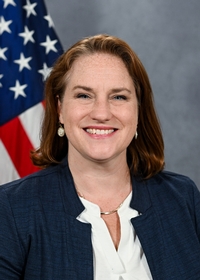
Rep. Heather Boyd
Sponsored bills
Maddy summaryHB 1429 requires the state agency administering public assistance programs (like food stamps or cash aid) to submit a report detailing a transition plan to replace current access cards with secure chip-enabled electronic cards. The bill directly affects recipients of public assistance and the agencies managing these programs by mandating a formal report on how the switch to chip cards will be implemented. Key provisions include specifying the report must cover timelines, costs, and how the transition will ensure continued access for beneficiaries. This is a procedural bill focused on reporting requirements, not altering benefit eligibility or funding.
Maddy summaryHB 1721 adds medical assistance coverage under public assistance programs for peer recovery support services. This means individuals receiving state-funded public assistance (like Medicaid) would now have access to coverage for services provided by trained peers who have lived experience with recovery. The bill directly affects people seeking substance use disorder treatment through public assistance programs. It amends the Human Services Code to require coverage for these specific peer services, expanding available treatment options without changing existing eligibility rules. The bill is currently in the Human Services committee for review.
Maddy summaryHB 1709 amends the Public School Code of 1949 to require institutions of higher education to provide employment certification for adjunct and part-time faculty. This bill directly affects part-time and adjunct professors at colleges and universities, who often lack formal job security documentation. The key provision mandates that schools issue written certification confirming employment terms, such as hours and contract duration, for these faculty members. The bill aims to create clearer employment records for part-time educators under the state's higher education framework. It was referred to the Education committee on July 9, 2025.
Maddy summaryThe provided context does not include details about the specific changes made by HB 956 to Pennsylvania's aggravated assault laws. While the bill's title indicates it amends Title 18 regarding aggravated assault, the context lacks the concrete policy provisions, definitions, or affected groups necessary to describe what the bill actually does. Without this information, a factual summary of its mechanisms or direct impact cannot be provided. Legislative actions (like passage and referral) are noted but do not describe the bill's content.
Maddy summaryHB 1234 amends Pennsylvania's Human Services Code to require public assistance programs to cover the cost of blood pressure monitors for eligible recipients. This change directly affects individuals enrolled in state public assistance programs who need blood pressure monitoring for health management. The bill adds blood pressure monitors to the list of covered medical equipment under the public assistance program, ensuring these devices are provided without cost to recipients. It does not change eligibility requirements but expands existing coverage to include this specific monitoring tool. The bill passed final passage on July 1, 2025, and was referred to the Health & Human Services committee.
Maddy summaryThis resolution designates September 2025 as "International Underground Railroad Month" in Pennsylvania. It is a commemorative measure with no binding legal effect, intended to honor the historical significance of the Underground Railroad network. The resolution does not create new programs, alter laws, or directly affect any individuals or entities. It was adopted by the Pennsylvania House of Representatives on July 7, 2025.
Maddy summaryHB 1696 updates Pennsylvania's Housing Finance Agency Law to create a new program enabling low-to-moderate income renters to purchase homes through a lease-with-guaranteed-purchase-option model. The program allows tenants to lease a home for a set period, after which they have the right to buy it at a predetermined price. A dedicated "Pennsylvania Lease with Guaranteed Purchase Option Home Ownership Program Fund" will provide financial support to facilitate this initiative. This bill directly affects eligible renters seeking homeownership opportunities and aims to expand access to affordable housing through this specific lease-to-own mechanism.
Maddy summaryHB 1677 prohibits Pennsylvania government entities from taking action against parents, legal custodians, or guardians who provide minors with medically accurate and medically appropriate information or evidence-based medical services. It specifically protects these adults from being deemed to have committed child abuse when acting in this manner. The bill defines key terms like "medically accurate" (supported by peer-reviewed research or major medical organizations) and "evidence-based" (using current best medical practices). This law applies broadly to all minors' healthcare decisions, not limited to specific identities, and takes effect immediately upon enactment.
Maddy summaryHB 1100 amends Pennsylvania's Human Services Code to allow public assistance recipients to use their benefits to purchase diapers and menstrual hygiene products through a new waiver program. This directly affects low-income individuals and families enrolled in public assistance programs who currently cannot use their benefits for these essential items. The key provision adds diapers and menstrual hygiene products to the list of eligible purchases under an administrative waiver, changing the existing code to expand access to basic necessities. The bill does not change benefit amounts or eligibility criteria but creates a new pathway for purchasing specific hygiene products. It passed the legislature in June 2025 and was referred to the Health & Human Services committee for implementation.