

Maddy summaryHB 2234 creates a tax credit for Pennsylvania breweries that donate spent grain byproduct (leftover grain from brewing) to local farms. Breweries can claim a credit of $0.16 per pound of dry weight donated, up to $30,000 annually or their total tax liability, if the grain is delivered to farms within 100 miles. The credit applies to donations made to "eligible agricultural operations" engaged in normal farming activities under Pennsylvania law. Applications must be submitted by February 1 each year for the prior year's donations, with the Department of Revenue reviewing eligibility and coordinating with the Liquor Control Board. This directly benefits breweries and farms participating in the program by reducing brewery tax bills while repurposing brewing waste.
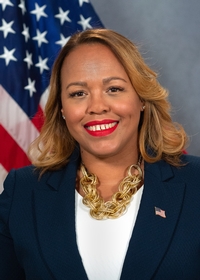
Rep. Johanny Cepeda-Freytiz
Sponsored bills
Maddy summaryHB 2162 amends Pennsylvania's Wholesale Prescription Drug Distributors License Act to clarify definitions and license application requirements. It specifically defines "virtual manufacturer" as a business that doesn't physically handle drugs in Pennsylvania but has FDA approval processes underway, including submitting or planning to submit FDA applications within 12 months. The bill adds new application requirements: manufacturers of unapproved drugs must state they've applied to or plan to apply to the FDA within 12 months, and virtual manufacturers must provide similar documentation. Crucially, it states the state department cannot require FDA approval as a condition for licensure. This directly affects drug distributors operating under the "virtual manufacturer" model and unapproved drug manufacturers seeking state licenses.
Maddy summaryHB 75 amends Pennsylvania's Osteopathic Medical Practice Act to update the definition of "primary supervising physician" to include medical doctors (MDs) licensed by the State Board of Medicine, alongside osteopathic physicians (DOs). This change allows physician assistants to have either an MD or a DO as their primary supervising physician under a written agreement, expanding oversight options beyond current restrictions. The amendment takes effect 60 days after enactment and does not alter other provisions of the law.
Maddy summaryHB 76 amends Pennsylvania's Medical Practice Act of 1985 to update two key definitions: it revises the term "doctor of osteopathy" to reference the State Board of Osteopathic Medicine (replacing outdated language) and clarifies that a "primary supervising physician" for physician assistants must be licensed by either the State Board of Medicine or the State Board of Osteopathic Medicine. This change directly affects osteopathic doctors, physician assistants, and the licensing boards by aligning the law with current regulatory structures. The bill makes no substantive changes to medical practice rules but ensures definitions accurately reflect the oversight bodies responsible for licensing. It takes effect 60 days after enactment.
Maddy summaryHB 138 amends Pennsylvania laws governing adoption proceedings and juvenile cases. It changes the legal grounds for ending parental rights before an adoption petition is filed and updates how courts handle children deemed dependent (in need of care). The bill specifically targets procedures in domestic relations (Title 23) and court processes (Title 42) related to these cases. No specific new provisions or changes are detailed in the provided context beyond the title's description of its scope. The bill is currently under review by the Children & Youth committee.
Maddy summaryHB 133 amends Pennsylvania's adoption laws to change how birth parents can legally give up parental rights before an adoption petition is filed. It creates an alternative process for relinquishment to adoptive adults and clarifies procedures for terminating parental rights involuntarily. The bill also adds a specific mechanism for parents to seek reinstatement of their rights after relinquishment. This directly affects birth parents, prospective adoptive parents, and children involved in adoption proceedings under Pennsylvania law.
Maddy summaryHB 1925 regulates how healthcare facilities, insurance companies, and Medicaid/CHIP managed care plans can use artificial intelligence. It requires the Department of Health, Insurance Department, and Department of Human Services to create rules for AI safety and transparency in these sectors. The bill imposes penalties for failing to comply with these new requirements. It directly affects providers and insurers operating in Pennsylvania's health and insurance systems.
Maddy summaryHB 1117 amends Pennsylvania's 1929 Administrative Code to redefine the Department of Drug and Alcohol Programs' responsibilities for addressing substance use disorders. The department must now develop a comprehensive State plan coordinating prevention, treatment, research, and education across all state agencies and local communities - including health, law enforcement, education, and workforce sectors - to avoid duplication. The plan requires annual review and updates, and mandates the department to provide assistance to local governments while collaborating with medical professionals on drug use guidelines. This change formalizes existing coordination efforts under a unified framework, directly affecting state agencies and local entities managing substance use disorder services.
Maddy summaryThis House Resolution designates September 2026 as "Baby Safety Month" in Pennsylvania to raise awareness about infant safety. The measure encourages parents to follow safety guidelines, such as properly assembling cribs, checking product age ratings, and maintaining constant supervision. As a symbolic resolution, it does not create new laws or alter existing regulations but serves to highlight the importance of creating safe environments for children.
Maddy summaryThis bill, known as the Digital Afterlife Consent and AI Identity Protection Act, restricts digital platforms from using a user's data to create artificial intelligence simulations of them after death or during long periods of inactivity. It requires platforms to obtain explicit, separate consent from users before deploying such simulations and mandates that this consent be revocable at any time or expire two years after the user passes away. Furthermore, the law grants the user's estate the authority to override prior consent, terminate simulations, and request the deletion of AI-generated content, while also requiring clear labels on any content produced by these systems to indicate it is artificial.