

Maddy summaryThis bill establishes the Microfiber Filtration Protection Act to require all washing machines sold or installed in Pennsylvania to include a built-in or in-line filter capable of capturing microfibers. The Environmental Quality Board must create regulations mandating these filters have a mesh size of 100 micrometers or smaller and display a consumer notice about checking and disposing of captured lint. Starting in 2030, manufacturers cannot sell non-compliant machines, and by 2031, installers cannot fit them unless they meet the new standards. The Department of Environmental Protection will enforce these rules through testing, inspections, and complaints, while charging manufacturers for any testing costs related to non-compliance.
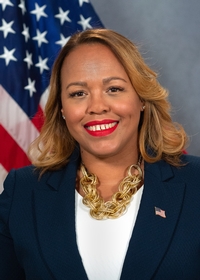
Rep. Johanny Cepeda-Freytiz
Sponsored bills
Maddy summaryThis bill allows teachers in Pennsylvania who have voluntarily placed their teaching certificates on inactive status for at least seven years to take college courses for free or at a 50% discount. The State Board of Education will create and update a list of approved colleges offering these specific tuition-reduced credits every three years. To fund this program, the state will reimburse colleges annually for the waived tuition costs, with reports on enrollment numbers submitted to the General Assembly each June.
Maddy summaryHB 2500 legalizes the adult use of cannabis in Pennsylvania by establishing a regulatory framework for its possession, sale, and consumption. The bill designates the Department of Agriculture as the primary agency responsible for overseeing the industry, including licensing businesses and enforcing rules on advertising, packaging, and laboratory testing. It creates two new funds to support the industry and promote social equity, while also imposing specific sales and excise taxes on cannabis products. Additionally, the legislation consolidates existing medical cannabis provisions and transfers certain regulatory powers from the Department of Health to the Department of Agriculture.
Maddy summaryThis resolution officially designates September 2024 as Prostate Cancer Awareness Month within the state of Pennsylvania. The measure highlights the importance of early detection and screening for men, noting that the disease primarily affects older males and can be asymptomatic for years. While the primary function is symbolic, the bill also includes a provision urging the U.S. Congress to pass legislation that would mandate health insurance coverage for prostate cancer screenings.
Maddy summaryThis Pennsylvania House resolution urges the U.S. Congress to pass two federal bills aimed at improving food and drug safety for people with allergies and gluten intolerance. The proposed legislation would require updated ingredient lists on packaged foods and mandate clear front-of-package labels that specifically disclose the presence of gluten-containing grains. Additionally, it would require drug labels to identify any ingredients derived from major food allergens or gluten sources, helping consumers avoid harmful substances. The resolution is based on the need to protect the approximately 23 million Americans, including many Pennsylvanians, who suffer from celiac disease or gluten intolerance.
Maddy summaryThis bill creates the Maternal Care Access Program within the Pennsylvania Department of Health to improve maternal health outcomes by directing resources to underserved areas. The legislation defines specific terms like "maternity care desert" and "at-risk" zones based on the availability of obstetric care, birth centers, and medical providers. It authorizes the department to distribute funds to birth centers, obstetrician-gynecologists, certified nurse midwives, and hospitals located in designated zones that lack adequate care options. Additionally, the bill establishes criteria for identifying distressed hospitals and outlines various health and social indicators used to assess maternal vulnerability.
Maddy summaryThis bill allows local taxing authorities in Pennsylvania to offer property tax exemptions to developers who redevelop old churches, hospitals, and schools. To oversee these efforts, it creates a new advisory committee within the State Planning Board and gives the Department of Community and Economic Development new powers and responsibilities. The law defines redevelopment as major repairs or construction that improve safety and utility, rather than simple maintenance, and requires developers to sign agreements outlining the terms of the tax breaks.
Maddy summaryThis bill prohibits employers in Pennsylvania from punishing, disciplining, or retaliating against employees for refusing to attend meetings or listen to communications about religious or political topics. It defines "voluntary" participation as attendance that is not incentivized by benefits or threatened with negative employment consequences, ensuring employees can opt out without fear of reprisal. To enforce these protections, the law allows aggrieved workers to sue for remedies like reinstatement and back pay, while also requiring employers to post a notice explaining these rights. Additionally, the bill mandates that the Department of Labor and Industry investigate complaints and provides a framework for interested parties to report violations.
Maddy summaryThis bill establishes a new program to freeze property taxes for eligible senior citizens and disabled individuals in Pennsylvania. To qualify, applicants must own and live in their home for at least 10 years, have a household income of $45,000 or less, and meet specific age or disability criteria. If approved, the property tax amount is locked at the level paid in the base year, and the freeze continues as long as the person remains eligible and renews their application annually. The Department of Revenue will create a standardized application form and publish annual reports detailing how many people participate and the total tax savings generated by the program.
Maddy summaryThis bill establishes a minimum hourly wage of $20 or a living wage for education support professionals in Pennsylvania public schools, effective for the 2024-2025 school year. It requires schools to pay overtime at 1.5 times the standard rate and mandates that salaried workers be paid based on their actual hours worked to meet this threshold. For employees currently covered by existing contracts with lower wages, the law requires schools to make supplemental payments to bridge the gap until the contract expires or is renewed. The Department of Labor and Industry is tasked with calculating and annually adjusting the living wage based on inflation data, while the state provides funding to school districts to cover the cost of these wage increases. Additionally, the legislation updates procedures for school boards, requiring a majority vote and proper recording for certain decisions.