

Maddy summaryHB 1796, the Confidential Insurance Communications Protection Act, requires insurers to keep certain health insurance communications confidential for people who fear safety risks (like domestic violence survivors). It allows "protected individuals" to request alternative communication methods (e.g., separate mailing addresses or secure emails) without needing to prove abuse, and insurers must comply within 10 business days. Insurers cannot disclose these requests to policyholders or third parties, deny coverage for making such requests, or require policyholder authorization. Violations would be enforced under Pennsylvania’s Unfair Insurance Practices Act, with potential fines or corrective orders.
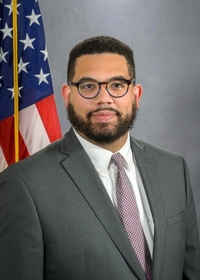
Rep. Manny Guzman
Sponsored bills
Maddy summaryHB 1797 modernizes unit pricing laws for packaged goods (like food or household items) to make price comparisons clearer for consumers. It directly affects businesses selling these products and grants the Department of Agriculture authority to create specific rules for consistent pricing practices. Key provisions include updating outdated pricing standards, requiring clear unit pricing labels (e.g., "per ounce" or "per pound"), and establishing penalties for non-compliance. The bill aims to reduce confusion and ensure transparency in retail pricing without specifying which products are covered.
Maddy summaryHB 1792 amends Pennsylvania's Tax Reform Code of 1971 to establish residential solar energy incentives. It would provide financial benefits, such as tax credits or rebates, to homeowners who install solar energy systems. The bill directly affects residential property owners seeking to adopt solar power. The specific incentive structure and eligibility details are not provided in the available context. The bill is currently pending in the Finance committee after being referred on August 10, 2025.
Maddy summaryHB 1779 requires businesses using algorithms to set prices (like online retailers or service platforms) to disclose how those algorithms work to consumers. It mandates the Pennsylvania Attorney General and Consumer Protection Bureau to develop rules for transparency and investigate unfair pricing practices. The bill directly affects companies that use dynamic or automated pricing models and aims to give consumers clearer insight into how prices are determined. This is a concrete policy change focused on disclosure, not on regulating specific prices or outcomes.
Maddy summaryHB 1770 amends Pennsylvania's Public School Code to require public schools to offer an additional math program for students in kindergarten through fifth grade. This program would provide extra math instruction to help young students build foundational math skills during their early school years. The bill directly affects all K-5 public schools in Pennsylvania and the state education department, which would be responsible for developing and overseeing the program. It adds a specific requirement to the state's educational standards without changing existing curriculum structures.
Maddy summaryHB 1778 establishes a pilot program called the Essential Energy Stability Fund to provide limited financial assistance for utility bills to eligible low-income households during off-season periods (outside regular peak billing cycles). The fund would use a dedicated state appropriation to help households manage unexpected energy costs when they might face financial strain. This temporary program is designed to test whether targeted off-season support can improve energy affordability for vulnerable residents. The bill focuses on concrete funding for direct assistance, not broader policy changes.
Maddy summaryHB 1762 amends Pennsylvania's Public School Code to establish a 12-month residency requirement for in-state tuition at public colleges and universities. It directly affects students enrolling at Pennsylvania's public higher education institutions (including community colleges, State System universities, and State-related institutions) starting in the fall 2025 semester. To qualify for lower in-state tuition rates, students must have lived in Pennsylvania continuously for at least 12 months prior to enrollment. The bill takes effect July 1, 2025, or immediately thereafter.
Maddy summaryHB 1751 creates a new Office of Employee Ownership within the state's Department of Community and Economic Development to support employee-owned businesses. It establishes an Employee Ownership Advisory Board to guide the program and a Main Street Employee Ownership Grant Program to provide funding for these businesses. The bill also directs the state to offer technical and financial assistance to help employee-owned enterprises grow and operate. This bill directly affects employee-owned businesses seeking support, grants, and guidance through state programs.
Maddy summaryHB 1591 amends Pennsylvania's vehicle laws to specifically include rules for private parking lots within the "rules of the road" section. It directly affects owners and operators of private parking lots (like those at shopping centers or apartment complexes) by allowing them to establish their own parking rules without needing separate municipal permits. The key provision moves private lot regulations under the state vehicle code, clarifying that lot operators can set rules for parking duration, access, and enforcement. This changes how local authorities and lot managers handle parking governance, shifting it from general municipal oversight to a defined state regulatory framework.
Maddy summaryHB 1749 amends Pennsylvania's 1971 Tax Reform Code to modify sales and use tax exclusions and create a new tax credit specifically for the steel industry. The bill establishes a "fueling opportunities" tax credit aimed at supporting steel businesses engaged in revitalization, growth, and operational efficiency. This credit directly affects steel manufacturers and related businesses by potentially reducing their tax burden for qualifying activities. The bill focuses on concrete tax code changes rather than broader policy shifts, with its key mechanism being the new credit program within the existing tax framework.