

Maddy summaryHB 1744 modifies Pennsylvania's parole eligibility rules for second-degree murder convictions. It allows parole consideration after 25 years of imprisonment if the person has no felony convictions in the prior 25 years (excluding convictions from the same criminal episode), is not a principal offender in the murder, and isn't subject to specific other offenses like assault by life prisoner or witness intimidation. The bill does not apply to those convicted under certain sections (e.g., 2704, 4952(b)). It directly affects second-degree murder convicts meeting all specified conditions. The bill takes effect 60 days after enactment.
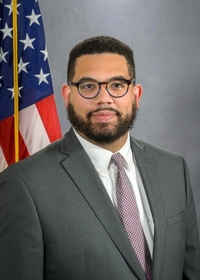
Rep. Manny Guzman
Sponsored bills
Maddy summaryHB 1429 requires the state agency administering public assistance programs (like food stamps or cash aid) to submit a report detailing a transition plan to replace current access cards with secure chip-enabled electronic cards. The bill directly affects recipients of public assistance and the agencies managing these programs by mandating a formal report on how the switch to chip cards will be implemented. Key provisions include specifying the report must cover timelines, costs, and how the transition will ensure continued access for beneficiaries. This is a procedural bill focused on reporting requirements, not altering benefit eligibility or funding.
Maddy summaryHB 1626 establishes a pilot program allowing career and technical centers (CTCs) and secondary schools in Pennsylvania to offer barber training under the State Board of Barber Examiners. The bill requires participating schools to report student and program data annually by June 30 through 2025. It specifies the pilot program expires three years after enactment (2025) but allows conversion to a permanent program without disrupting existing contracts or rules established during the pilot. This directly affects CTCs and schools participating in barber training, creating a structured pathway for students seeking barbering credentials.
Maddy summaryHB 1735 establishes a regulatory system for recreational cannabis use and business operations, creating the Cannabis Control Board to oversee licensing, enforcement, and taxes (replacing the Department of Health for these duties). The bill imposes sales and excise taxes on cannabis products, sets location restrictions for businesses in disproportionately impacted communities, and mandates standardized labeling, advertising, and laboratory testing requirements. It includes a "clean slate" provision to clear certain past cannabis convictions and consolidates existing medical cannabis regulations under the new framework. The bill is currently referred to the Health committee for review.
Maddy summaryHB 1730 amends Pennsylvania's public utilities law to establish rules for service contracts between residential customers and providers of telecommunications, cable, and internet services. It directly affects homeowners and renters who use these services by requiring clearer terms and preventing unfair contract practices. Key provisions include banning automatic renewals without explicit customer consent and mandating plain-language disclosures about fees and cancellation policies. The bill aims to increase transparency and consumer choice in residential service agreements.
Maddy summaryHB 1729 would require online platforms in Pennsylvania to verify the age of users and set default privacy settings for children under 18, blocking strangers from messaging, viewing profiles, tagging, or transacting with them without parental approval. For children under 13, parents must approve all new connections and financial transactions, and can view their child's activity on the platform. The bill also prohibits platforms from using deceptive design features ("dark patterns") that undermine these protections and bans discrimination against minors in service quality or pricing. This applies to social media, gaming, and other platforms allowing public profiles and user interaction.
Maddy summaryHR 285 is a resolution directing the Joint State Government Commission to study whether creating a registry for individuals who abuse vulnerable populations (such as seniors, people with disabilities, or those in care facilities) would be practical. The study would examine how such a registry might function, including potential benefits and implementation challenges. This resolution does not establish a registry but would inform future legislative decisions about one. It directly affects vulnerable populations by potentially leading to new safeguards if the study recommends action.
Maddy summaryHB 1717 amends Pennsylvania law to exempt records held by volunteer emergency medical services (EMS), fire, and rescue companies from public access under the Right-to-Know Law. The exemption applies to these volunteer organizations as defined in existing statutes, directly affecting their operational and personnel records. However, if a volunteer group contracts with a Commonwealth or local agency, the Right-to-Know Law’s section 506(d) still applies to those records. The bill creates a clear exception for contracted services while otherwise shielding most volunteer emergency service records from public disclosure. It takes effect 60 days after enactment.
Maddy summaryThis resolution designates the week of September 15-19, 2025, as "Clean Energy Week" in Pennsylvania. It is a ceremonial designation with no new policies, funding, or direct impact on residents or businesses. The resolution highlights Pennsylvania’s existing clean energy sector - including solar, wind, and geothermal resources - and notes the state’s growth in clean energy jobs and production. It does not alter laws or create new obligations; it solely aims to recognize ongoing efforts in the clean energy field.
Maddy summaryHB 1708 updates Pennsylvania's vehicle laws to strengthen school bus safety and adjust driver point penalties. It adds 5 points (and 60-day suspension for repeat offenses) to the driver point system for failing to stop for a school bus with flashing red lights or for a school vehicle, directly affecting drivers who violate these rules. The bill also requires school vehicle drivers to activate hazard lights 100-300 feet before stopping and prohibits passing while the bus is stopped for loading/unloading. Violations carry a $250 fine plus a $35 surcharge deposited into the School Bus Safety Grant Program.