

Maddy summaryHB 1855 requires most employers to provide paid leave to employees who need time off due to climate-related emergencies, such as hurricanes, wildfires, or extreme weather events. It establishes a state-funded Climate-related Emergency Paid Leave Fund to reimburse employers for the cost of this leave. The Department of Labor and Industry would administer the fund, set eligibility criteria for employees, and manage employer reimbursement processes. This bill directly affects employees in climate-impacted areas and their employers, creating a new paid leave requirement tied to weather emergencies.
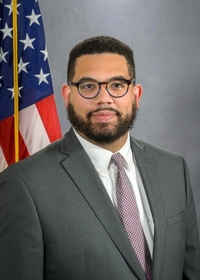
Rep. Manny Guzman
Sponsored bills
Maddy summaryThis bill changes Pennsylvania's medical assistance rules for nursing home residents. It allows eligible individuals to keep more of their personal money by adjusting how personal needs costs (like toiletries or small purchases) are deducted from their benefits. The key provision modifies the deduction calculation so residents' own funds aren't reduced when covering these daily expenses. This directly affects nursing home residents qualifying for state medical assistance programs.
Maddy summaryHB 1850 amends Pennsylvania's Tax Reform Code of 1971 to create a new tax credit for teachers. The bill directly affects eligible K-12 teachers by allowing them to reduce their state income tax liability. Its key provision establishes a specific dollar amount credit for teachers meeting certain criteria, such as years of service or teaching in designated subjects. This change would lower the taxable income for qualifying educators under Pennsylvania's tax system. The bill is currently in the Finance Committee for review.
Maddy summaryHB 1580 requires employers to implement specific heat safety measures, including providing cooling breaks and access to water, to protect employees working in conditions causing heat stress. It directly affects workers in outdoor and high-heat environments, such as construction, agriculture, and manufacturing. The bill establishes a new Heat Protection Enforcement Fund to support Department of Labor and Industry oversight and imposes penalties for non-compliance. Key provisions mandate employer action plans, define heat illness prevention protocols, and assign enforcement duties to the Department of Labor and Industry.
Maddy summaryThis bill is a symbolic resolution designating September 15-October 15, 2025, as "Hispanic Heritage Month" in Pennsylvania. It does not create new laws or policies, nor does it directly affect specific individuals or groups. The resolution serves only to recognize and honor Hispanic heritage and contributions within the state during that timeframe. As a procedural measure, it requires no funding or implementation mechanisms.
Maddy summaryHB 1808 establishes a workfare pilot program for Temporary Assistance for Needy Families (TANF) recipients in Pennsylvania's fourth and fifth class counties. The program requires recipients to work 40 hours per week for an employer while gradually reducing cash assistance: initially receiving benefits alongside pay for 20 hours of work, then up to 70% of benefits with pay for 30 hours after six months, and finally full pay for 40 hours with cash assistance termination after 12 months. It applies only to the pilot counties and does not alter existing TANF eligibility rules. The bill mandates the department to implement the program within six months of its effective date.
Maddy summaryHB 1810 requires retail employers to establish workplace violence prevention and emergency preparedness standards for their employees. It mandates the Department of Labor and Industry to develop and enforce these safety standards, including specific measures for handling threats or incidents. The bill directly affects retail businesses and their workers by creating new safety obligations. Violations could result in penalties imposed by the Department, though specific penalty amounts are not detailed in the provided context.
Maddy summaryHB 1809 changes Pennsylvania's vehicle law to require motorcycle riders to wear protective helmets and eye protection while operating their vehicles. This directly affects all motorcycle riders in Pennsylvania who operate on public roads. The bill imposes penalties for failing to comply with these new safety equipment requirements. It aims to improve rider safety through mandatory protective gear, with enforcement handled through standard traffic violation procedures.
Maddy summaryHB 1804 would require the Commonwealth to withhold state payments to the federal government, strengthen claims against federal property, and prohibit sharing personal data with federal agencies. It creates a legal pathway for the Commonwealth to sue the federal government over withheld payments or data misuse. The bill directly affects how the state interacts with federal agencies on financial transactions and data privacy. Key provisions include blocking state funds to the federal government, allowing legal action for property claims, and banning the sharing of personally identifiable information.
Maddy summaryHB 1788 amends Pennsylvania's transportation laws to improve oversight of transit authorities and fund infrastructure projects. It requires metropolitan transportation authorities to meet new performance standards for fare evasion, bus routes, and public-private partnerships, with consequences for non-compliance. The bill establishes the Public Transportation Trust Fund (funded by 6.15% of certain tax revenues), the Road and Bridge Project Fund for highway maintenance, and a Sinking Fund for bond repayment. These funds will finance road/bridge projects, while mandatory annual reports to legislative committees will track authority spending and progress toward fiscal goals.