

Maddy summaryHB 1899 amends the Right-to-Know Law to update the procedures for when government records can be withheld from public access. It adds new specific categories of records that may be kept private, such as certain sensitive operational details or security-related information. This directly affects citizens requesting public records and government agencies handling those requests by clarifying which documents can be exempted. The bill focuses on refining the legal process for exceptions without changing the core public access principles of the existing law.
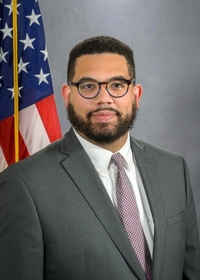
Rep. Manny Guzman
Sponsored bills
Maddy summaryHB 1883 amends Pennsylvania's Public School Code to address student chronic absence (missing many school days) by requiring school districts to implement prevention and support programs instead of solely focusing on punishment. It directly affects school districts, students with chronic absence, and their families by shifting the approach to attendance. The key provision mandates districts to develop and maintain evidence-based strategies to help students attend regularly, such as family outreach, counseling, or academic support. This replaces punitive measures with proactive support systems for students struggling with attendance. The bill focuses on practical, supportive interventions rather than disciplinary actions for absenteeism.
Maddy summaryHB 1892 amends Pennsylvania's 1968 Unfair Trade Practices and Consumer Protection Law to update definitions, clarify unlawful acts or practices, and adjust exclusions. It directly affects businesses operating in Pennsylvania and consumers who may encounter unfair trade practices. The bill focuses on refining the legal framework for consumer protection without specifying new penalties or enforcement mechanisms. The bill was recently referred to the Consumer Protection, Technology & Utilities committee for review. (Note: Specific new provisions are not detailed in the provided context.)
Maddy summaryThis bill creates a temporary grant program to fund public schools in Pennsylvania that prepare meals from scratch (rather than using pre-packaged or processed foods) for students. It directly affects public schools participating in the pilot, allowing them to apply for state grants to cover costs associated with preparing fresh meals. The key provision establishes the program under the Public School Code, requiring the state education department to administer the grants and evaluate the pilot's effectiveness. The goal is to test whether scratch-cooked meals improve student nutrition and school meal participation, with results informing potential future policy changes. (Note: Specific grant amounts, duration, and participating school criteria are not detailed in the provided context.)
Maddy summaryHB 1880 amends Pennsylvania's criminal code to clarify the offense of impersonating a public servant and to create a specific exception for federal immigration officials. The bill states that federal immigration officials do not commit a crime under Pennsylvania law when concealing their identity while performing official immigration enforcement duties. This provision prevents state laws on impersonation and disorderly conduct from being applied to federal officials during such activities. The bill also adds further detail to the impersonation statute to make it clearer for law enforcement.
Maddy summaryHB 1876 amends Pennsylvania statutes (Titles 11 and 16) to update procedures for filling vacancies in elected offices. It directly affects cities of all classes (first, second, second class A, and third) and county commissioners or chief clerks when positions become vacant. The bill revises the specific mechanisms for how these vacancies are filled, including election timing and eligibility rules. This is a procedural update to existing election laws, not a new policy change.
Maddy summaryHB 1870 amends Pennsylvania's vehicle fee statutes to expand exemptions for certain persons, entities, and vehicles from registration or licensing fees. The bill specifically addresses fee exemptions under Title 75 of the Pennsylvania Consolidated Statutes but does not detail the exact exemptions, affected groups, or specific fee types in the provided context. As a procedural bill focused on fee exemption rules, it does not outline new implementation mechanisms or direct financial impacts. The bill was recently referred to the Transportation committee on September 22, 2025, but lacks sufficient detail in the given context to describe concrete policy changes or who would be affected.
Maddy summaryHB 1869 establishes the "Made in PA Program" to support businesses selling products made in Pennsylvania. The Department of Community and Economic Development will manage the program, including a new "Made in PA Fund" to provide financial support. Businesses must apply to participate, and the bill creates civil penalties for false claims about products being "Made in PA." It also authorizes the department to create rules for the program's operation and enforcement.
Maddy summaryHB 1896 modifies bidding rules for Pennsylvania redevelopment projects funded through capital facilities programs. It requires at least three written bids for all projects under $25,000, while projects exceeding $25,000 must ensure workers earn the state's prevailing wage (per the Pennsylvania Prevailing Wage Act) and comply with steel procurement rules. The bill clarifies that all work on a single project site - whether through separate contracts or phases - is fully subject to prevailing wage requirements. This directly affects local governments and contractors managing redevelopment capital projects funded under the Capital Facilities Debt Enabling Act.
Maddy summaryHB 1416 would create a new criminal offense for interfering with the operation or movement of public transit vehicles, such as buses or trains. It directly affects individuals who physically block doors, assault drivers or passengers, or otherwise disrupt transit service. The bill establishes specific penalties for these actions under Pennsylvania's vehicle laws, treating interference as a criminal violation. This change aims to clarify legal consequences for behaviors that endanger transit operations and passenger safety. The bill is currently stalled, having been "laid on the table" in September 2025.