

Maddy summaryThis bill adds music therapy to Pennsylvania's existing licensing framework for mental health professionals. It creates a new "licensed professional music therapist" category and defines "practice of music therapy" to include clinically proven techniques like music improvisation, songwriting, and music-based assessments. The State Board of Social Workers, Marriage and Family Therapists, Professional Counselors, and Professional Music Therapists will regulate this new license. It directly affects individuals who provide music therapy services independently, requiring them to hold this specific license while clarifying that existing healthcare providers (like hospitals or schools) aren't required to obtain it for their employment.
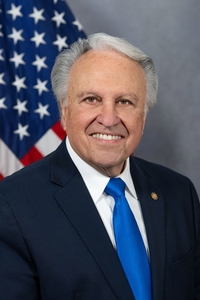
Rep. Eddie Pashinski
Sponsored bills
Maddy summaryHB 324 amends Pennsylvania's 1956 Poultry Technician Licensure Law to modernize requirements for professionals collecting poultry samples and conducting disease surveillance. It expands technicians' duties to include "regulatory sampling and testing procedures" for poultry diseases (beyond just pullorum testing), requires applicants to prove legal work authorization in the U.S. (replacing citizenship requirements), increases the license fee from $5 to $10, and allows Spanish-language training via quarantine orders. The bill directly affects poultry technicians seeking or renewing licenses to legally collect samples or conduct on-site disease monitoring. Key provisions update eligibility, fees, and the Secretary of Agriculture's authority to oversee licensing and enforce standards.
Maddy summaryThis bill is a symbolic resolution (not a law) designating February 27, 2025, as "Dominican Republic Independence Day" within Pennsylvania. It directly affects Pennsylvania residents by formally recognizing this date to honor the Dominican Republic's independence from Haiti in 1844 and the cultural contributions of the state's Dominican-American community. The resolution includes historical context about the Dominican Republic's founding and highlights the community's economic and cultural ties to Pennsylvania. It has no financial, regulatory, or policy impact - it is purely commemorative.
Maddy summaryHB 428 establishes the Pennsylvania Artist Fellowship Grant Program, providing $100,000 annual grants to up to 25 eligible artists in the state. The program directly affects Pennsylvania residents aged 18+ who are visual, media, film, or performing artists with regular creative practice, not enrolled in school, and who produce community-accessible work. Key provisions include the Pennsylvania Council on the Arts administering applications, disbursement, and record-keeping, with grants permitted for project costs (materials, travel, housing) but prohibited for political activities or lobbying. The bill appropriates $2.5 million for grants and $250,000 for administration from the General Fund, effective 60 days after enactment.
Maddy summaryHB 379 amends Pennsylvania's vehicle registration and driver licensing laws to create new exemptions for agricultural purposes. It exempts certain farm equipment (implements of husbandry, trailers, or semitrailers) from registration when operated between a farmer's home and an annual school-hosted agricultural event, limited to trips under 25 miles. The bill also exempts individuals aged 14 or older from needing a driver's license to operate such equipment on public roads during daylight hours for these specific farm-to-school trips. These changes directly affect Pennsylvania farmers and young agricultural workers traveling to educational events. The bill takes effect 60 days after enactment.
Maddy summaryHB 390 creates a $1,000 annual tax deduction for Pennsylvania health care providers who volunteer to supervise clinical training for students. It directly affects licensed physicians, nurses, physician assistants, and nurse anesthetists who provide uncompensated, volunteer-based clinical training (minimum 80 hours annually per student) to eligible students in approved programs. The bill establishes a Preceptor Certification Committee within the Department of Health to verify eligibility, process applications within 30 days, and issue certificates confirming the deduction. To claim the deduction, providers must submit this certificate with their tax return, and the deduction cannot exceed the tax owed. The policy change specifically targets volunteer clinical education support without altering tax rates or creating new tax credits.
Maddy summaryHB 389 establishes the New Nursing Faculty Grant Program to support nursing education in Pennsylvania. It provides $10,000 grants to eligible nursing faculty members at accredited medical colleges who are PA residents, employed full-time (or have a pending offer), and have no more than three years of experience. The Pennsylvania Higher Education Assistance Agency (PHEAA) will administer the program, prioritizing positions historically difficult to fill, with applications submitted by nursing program deans. Grants cover professional expenses and aim to increase enrollment capacity at nursing programs.
Maddy summaryHB 357 amends Pennsylvania's 1971 Tax Reform Code to exempt specific property transfers from realty transfer tax. It directly affects surviving spouses and minor children of public safety personnel (police, firefighters, etc.) who died while performing official duties, as defined by the 1976 Emergency and Law Enforcement Personnel Death Benefits Act. The key provision excludes transfers where the property was the deceased's principal residence, and the transfer occurs within five years of death under defined conditions (e.g., the surviving spouse married within one year before the death, or the property was the deceased's residence regardless of the child's current residence). This creates a tax exemption for these specific family transitions without altering the broader tax structure. The bill takes effect 60 days after enactment.
Maddy summaryHB 341 requires Pennsylvania public schools to install certified point-of-use filters on all drinking water outlets by January 1, 2027, and replace older fountains without filters with bottle-filling stations or filtered fountains (at least one per 100 students/staff). It establishes a $10 million annual Safe Schools Drinking Water Fund to provide grants for filter installation and fountain replacement, prioritizing schools built before 2014 and those serving prekindergarten students. The bill also mandates schools to publicly report their compliance plans, filter maintenance schedules, and lead risk information online, while new outlets must meet strict lead-leaching standards (NSF 61). This directly affects all Pennsylvania public school entities, focusing on reducing lead exposure in drinking water.
Maddy summaryThis bill strengthens Pennsylvania's protection from abuse laws by expanding the types of relief courts can grant and clarifying procedures for emergency situations. It allows final protection orders to explicitly include provisions protecting companion animals from abuse, harassment, or relocation, and grants courts the authority to order temporary ownership of these animals during disputes. The legislation also enables hearing officers in certain counties to issue immediate emergency relief when regular courts are unavailable, ensuring faster protection for victims in urgent circumstances. Additionally, the bill clarifies that police officers can make warrantless arrests for violating protection orders based on probable cause, even if the violation is not witnessed directly by the officer. These changes aim to provide more comprehensive and timely safety measures for individuals and their pets facing domestic abuse.