

Maddy summaryThis bill updates Pennsylvania's Poultry Technician Licensure Law to expand the role of certified technicians in collecting regulatory samples from poultry and eggs for disease surveillance. It allows the Secretary of Agriculture to license technicians who have completed specific training and can legally work in the U.S., while also permitting the department to offer Spanish-language training. The legislation increases the licensing and renewal fees from $5 to $10 and grants the Secretary broader authority to set rules, suspend, or revoke licenses for incompetence or non-compliance. Additionally, the bill removes a previous restriction that prohibited licensed technicians from being employed by the poultry owners whose birds they inspect.
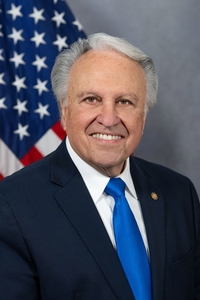
Rep. Eddie Pashinski
Sponsored bills
Maddy summaryThis bill updates the Pennsylvania Fish and Boat Commission's authority to hire and set pay for waterways patrolmen and other staff. It requires the executive director to appoint these employees based on state classification plans and mandates that full-time conservation officers be paid at the same rate as Pennsylvania State Police members. The changes apply to compensation earned after the law takes effect 60 days from passage.
Maddy summaryThis bill expands the ability for various organizations in Pennsylvania, such as colleges, sports leagues, restaurants, and law enforcement agencies, to legally obtain and use epinephrine auto-injectors for people experiencing severe allergic reactions. It allows health care providers to prescribe these devices to these entities and designates specific staff members who have completed required training to store and administer them. The legislation also provides legal protection from liability for these organizations and trained individuals who use the devices in good faith, while clarifying that administering the medication does not constitute the practice of medicine. Additionally, the bill mandates that day-care facilities provide informational materials to parents about allergy symptoms and the new rules regarding auto-injectors.
Maddy summaryThis Pennsylvania bill establishes new pension benefits for retired public employees starting in 2025. It provides an additional monthly payment to eligible retirees from state education and government systems who retired before 2001, with the amount calculated as a percentage of their July 2025 annuity based on their original retirement date. The legislation also creates a special one-time adjustment for retired municipal police officers and firefighters, ensuring these groups receive increased benefits. Funding for these new payments will be spread over ten years beginning in 2025, and the benefits are not available to survivors of members who died before that date.
Maddy summaryThis bill updates Pennsylvania's Vital Statistics Law to clarify the fees charged for certified copies of vital records. It ensures that no fees are required for these copies when requested by active-duty military personnel, their dependents, or the families of service members who died or were honorably discharged. The change specifically applies to members of the armed forces, including the National Guard, and their eligible family members. The new fee exemption takes effect 60 days after the bill is enacted.
Maddy summaryThis bill updates Pennsylvania's insurance laws to expand health coverage for adult children of policyholders. It requires health insurance policies to keep covering children up to age 26 without denying them based on factors like marital status, residency, or employment. Additionally, the law allows insurers to offer continued coverage until age 29 for unmarried adult children who are full-time students or residents, provided they meet specific eligibility requirements. These changes primarily affect individuals purchasing or renewing health insurance plans and the insurance companies that issue them.
Maddy summaryHB 2561 amends Pennsylvania's laws to change how the State Horse Racing Commission creates and maintains rules for the race horse industry. Specifically, the bill sets a fixed expiration date of October 19, 2028, for any regulations the commission issues, meaning they will automatically end after that time unless renewed. Additionally, the law exempts these temporary regulations from standard state review processes that usually apply to new rules, allowing the commission to finalize regulations more quickly without waiting for additional approvals. This measure directly impacts the regulatory framework governing horse racing in Pennsylvania by streamlining how rules are established and managed.
Maddy summaryThis bill designates September 1, 2024, as "Polish Resistance in World War II Commemoration Day" within the state of Pennsylvania. The legislation honors the bravery of Polish soldiers and civilians who fought against German forces during the war, particularly highlighting the Warsaw Uprising of 1944. It serves as a symbolic gesture to recognize the sacrifices made by Polish Americans and the broader Allied effort, noting that Luzerne County has a significant population with Polish heritage. As a commemorative resolution, the bill does not alter laws or allocate funding but instead establishes an official date for public remembrance.
Maddy summaryThis bill is a House resolution that officially designates October 2024 as "Wine, Wineries and Grapes Month" in Pennsylvania. It aims to recognize the state's significant grape industry, which includes over 270 wineries and contributes approximately $1.5 billion to the local economy. The resolution encourages residents to celebrate the harvest season by visiting wineries and enjoying grape products while acknowledging the industry's historical and economic contributions.
Maddy summaryThis bill requires Pennsylvania State Police to report to the Attorney General and U.S. Immigration and Customs Enforcement when a background check reveals that a person attempting to buy a firearm is unlawfully present in the United States. Additionally, it mandates that judges inform the State Police about individuals who have been found incompetent, involuntarily committed, or treated for mental health issues, as well as those with drug use or addiction problems. These changes aim to improve the sharing of critical information between state authorities and federal immigration officials regarding firearm eligibility. The law will become effective 60 days after it is signed into legislation.