

Maddy summaryPennsylvania House Bill 2752 amends state criminal law to mandate the seizure of assets from individuals convicted of human trafficking offenses. The bill requires courts to order the forfeiture of any property used in the crime or derived from its proceeds, ensuring these assets are transferred to local district attorneys or the state Attorney General for sale. A key provision establishes that funds recovered through this process must be prioritized for victim restitution before being distributed to law enforcement agencies or other government bodies. This legislation directly affects convicted traffickers by expanding the scope of their financial penalties and aims to ensure victims receive compensation from the illicit gains of the offenders.
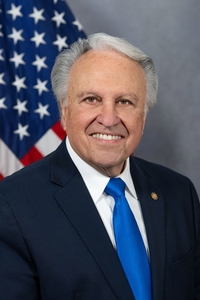
Rep. Eddie Pashinski
Sponsored bills
Maddy summaryThis Pennsylvania House Resolution designates November 15, 2026, as "Articles of Confederation Day" to mark the 249th anniversary of the document's adoption. The bill formally recognizes the City of York and York County for their historical role in hosting the Continental Congress during the American Revolution. It highlights that the Articles of Confederation were adopted in the York County Courthouse, serving as the first constitution uniting the colonies.
Maddy summaryThis Pennsylvania House Resolution designates October 2026 as "Arts and Culture Month" to formally recognize the value of artistic expression within the state. The bill cites the economic impact of the arts industry and its role in fostering community connections as reasons for the designation. It calls on residents to celebrate artists and scholars through appropriate programs, ceremonies, and celebrations during that month.
Maddy summaryPennsylvania House Bill 2733, known as the Banked Use for Maternity Protection Act, requires employers to provide eligible employees with a dedicated account containing 24 hours of paid leave specifically for prenatal medical appointments and related travel. To qualify, an employee must have worked for the same employer in the Commonwealth for at least 30 days, after which the employer must establish this separate account within two days of notification. The bill mandates that this leave be compensated at the employee's regular rate and count toward seniority and benefits, while prohibiting employers from forcing staff to use other types of leave or retaliating against them for utilizing these protections. Employers with 15 or fewer employees may apply for a six-month hardship exemption, and violations of the act are subject to fines of up to $50,000 per instance.
Maddy summaryPennsylvania House Bill 2729 creates a new misdemeanor of the third degree for animal hoarding, defined as keeping animals in conditions that are unsanitary, unhealthful, malodorous, or dangerous to people, animals, or property. The bill specifies that each animal kept in violation constitutes a separate offense, but it excludes animals classified as agricultural commodities from this definition. For sentencing, the law requires a mental health evaluation of the defendant before any sentence is scheduled. If the court finds that the defendant suffered from a psychological or psychiatric disability at the time of the offense, it must order treatment and stay legal action pending a report on that treatment. Upon successful completion of treatment, the court must order the forfeiture of the animals, prohibit future ownership, reverse the conviction, and expunge the arrest record.
Maddy summaryPennsylvania House Bill 2728 amends state corporate law to prohibit business corporations, nonprofit corporations, and limited liability companies from directly or indirectly engaging in election activity or ballot question activity. The bill revokes existing general powers granted to these entities and re-grants them with specific exclusions for political spending, defining such activities as paying or contributing money to support or oppose candidates, political parties, or ballot measures. Any language in a corporate charter that purports to authorize this political activity is declared void, and any such activity conducted by an entity is considered ultra vires and legally invalid. Entities that violate these provisions face the automatic forfeiture of their charter privileges, including limited liability and perpetual duration, until they fully disgorge funds and certify future compliance. The Attorney General is authorized to pursue civil actions for injunctive relief and enforcement against non-compliant entities.
Maddy summaryThis bill requires dental insurance companies in Pennsylvania to create secure online portals that give dental providers and their staff daily access to detailed patient benefit information, including claims history and denial reasons. The legislation mandates that any verbal or written statements made by insurers regarding benefits or costs must be binding on future claims, with specific exceptions for fraud or eligibility changes. To enforce these rules, the bill allows providers to sue for the original billed amount if insurers fail to pay within 30 days and imposes administrative fines of up to $10,000 for non-compliance. The changes are designed to increase transparency and reduce billing disputes, and they will take effect one year after the bill is enacted.
Maddy summaryThis Pennsylvania bill creates a new tax incentive to encourage the installation of green infrastructure, such as rain gardens, green roofs, and permeable pavement, on properties within the state. It defines "green infrastructure" as stormwater management practices that reduce or reuse runoff and sets rules for claiming a tax credit based on qualified costs like design, materials, and installation. To receive the credit, taxpayers must complete a certified project and submit detailed documentation to the Department of Revenue, while excluding costs covered by grants or routine maintenance. The legislation also updates the legal definition of "tax credit" to include this new program alongside existing state tax benefits.
Maddy summaryThis Pennsylvania House resolution designates October 20, 2026, as Community Health Worker Awareness Day to honor the contributions of community health workers throughout the state. The bill aims to raise public awareness about these trusted professionals who help residents navigate healthcare systems, access resources, and manage health conditions. While the resolution does not create new laws or funding, it formally recognizes the vital role these workers play in improving community health and encourages continued investment in their training and support.
Maddy summaryThis bill legalizes prediction markets in Pennsylvania by adding a new chapter to the state's amusement laws that defines how these speculative platforms must operate. It directly affects the companies that build and run these platforms, as well as the individuals who wish to place bets on the outcomes of future events. Key provisions include setting a minimum age of 21 for participants, banning markets related to deaths or assassinations, and prohibiting anyone involved in gambling from acting as a market maker or sharing in the platform's revenue. The legislation also establishes rules to prevent insider trading and market manipulation, while giving the state board authority to create specific regulations and impose civil penalties for violations.