

Maddy summaryThis bill creates the Keystone Fresh Program to increase the amount of locally grown food served in Pennsylvania school meals. It establishes a grant system administered by the Departments of Education and Agriculture to reimburse school districts for purchasing local fruits, vegetables, grains, and other minimally processed foods. The program prioritizes funding for schools that source from veteran farmers, socially disadvantaged groups, new farmers, or those using sustainable agriculture techniques. A separate fund is also created to support the administration of these initiatives, aiming to improve child nutrition and provide economic benefits to local producers.
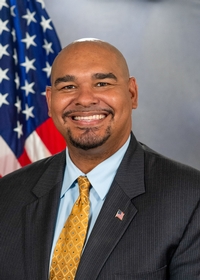
Rep. Justin Fleming
Sponsored bills
Maddy summaryThis bill creates the PA SITES Program to help Pennsylvania municipalities, redevelopment authorities, and other local organizations develop competitive sites for businesses to locate or expand within the state. It authorizes the Pennsylvania Economic Development Financing Authority to issue up to $500 million in bonds to fund regional planning efforts and the redevelopment or revitalization of both industrial and nonindustrial properties. The program is designed to reduce development risks by providing financing for these projects, with repayment covered by specific pledged revenues rather than general state funds.
Maddy summaryThis Pennsylvania bill establishes a new legal framework to combat anticompetitive practices in the state's markets, specifically targeting monopolies, collusion, and unfair market power. It allows private individuals and businesses to sue for damages if they are indirectly harmed by these illegal actions, expanding who can seek justice beyond just direct victims. The legislation also requires companies to notify state officials before merging health care facilities or forming provider networks, aiming to prevent deals that could reduce competition in medical services. Finally, the bill authorizes the state Attorney General to investigate violations and imposes significant fines on entities that break the new rules.
Maddy summaryThis bill establishes an independent Office of Child Advocate within Pennsylvania's Human Services Code to protect the interests of children. The Governor will appoint a Child Advocate who must have at least six years of relevant experience and a bachelor's degree, and the office will operate independently of the department regarding decision-making. The Advocate and their staff are required to complete specific trainings on topics like trauma-informed care and crisis intervention, and they are designated as mandated reporters for suspected child abuse. Additionally, the bill defines the scope of child health, safety, and well-being programs, which include preventing abuse, providing foster care, and offering early intervention services.
Maddy summaryHB 2492 amends Pennsylvania's Election Code to clarify how county boards of elections manage their operations and handle election results. The bill requires county commissioners to provide suitable offices for these boards and mandates that primary and general election expenses be paid by the county. It also establishes specific procedures for counting votes, including public notice of meeting times and places, the preparation of official forms, and the requirement that all assistants be sworn in before performing their duties. Finally, the legislation sets a timeline for completing vote counts, requiring boards to begin the process by 9 a.m. on the third day after an election and continue until finished.
Maddy summaryThis bill designates the month of July 2024 as "Parks and Recreation Month" throughout Pennsylvania to highlight the importance of public parks and recreational programs. It serves as a commemorative resolution that recognizes the benefits of outdoor spaces for community health, economic growth, and environmental resilience. The measure does not create new laws, allocate funding, or change existing regulations, but rather formally acknowledges the value of these resources in the state.
Maddy summaryThis Pennsylvania resolution designates July 19, 2024, as "Parks and Recreation Professionals Day" to honor the workers who maintain local parks and recreation facilities. The bill does not create new laws or change funding; instead, it serves as a symbolic gesture to recognize the contributions of these professionals to community health and environmental well-being. By adopting this designation, the Pennsylvania House of Representatives acknowledges the role of parks in promoting physical activity, mental wellness, and economic prosperity for residents.
Maddy summaryThis bill requires Pennsylvania colleges and universities to clearly explain all mandatory fees students must pay, such as enrollment or incidental charges. Institutions must list these fees, along with their purpose and how the money will be spent, on their public websites and student portals before the fees are charged. Additionally, schools must report the total amount collected and how those funds were used to the state Department of Education by November 15 each year. The law applies to both public state schools and private accredited institutions operating in Pennsylvania.
Maddy summaryThis bill directs the Legislative Budget and Finance Committee to investigate why students are unable to enroll in career and technical education programs. The study will examine specific obstacles such as limited program availability, facility conditions, staffing shortages, and wait lists across the state. Additionally, the committee will analyze the current funding formula for these programs and review how other states address instructor credentialing to solve workforce gaps. The committee is required to submit a report with its findings and recommendations to the House of Representatives within 120 days.
Maddy summaryThis bill directs Pennsylvania's Human Services department to apply for a federal waiver that would allow SNAP and WIC benefit recipients to use their funds to buy diapers or menstrual hygiene products. The legislation authorizes the department to adopt necessary rules once the USDA approves the waiver, ensuring the state can participate in this potential program change. It does not immediately change how benefits are used but establishes the legal framework to implement such a waiver if federal approval is granted.