

Maddy summaryThis bill authorizes the presentation of Congressional Gold Medals to the four crew members of the Artemis II mission to recognize their historic achievement in advancing human space exploration. The legislation directs the Speaker of the House and the President pro tempore of the Senate to arrange for the medals, which will feature the faces of the astronauts and be struck by the Secretary of the Treasury. In addition to the gold medals, the bill permits the minting and sale of duplicate bronze versions to help cover production costs, with any proceeds returned to the United States Mint Public Enterprise Fund.
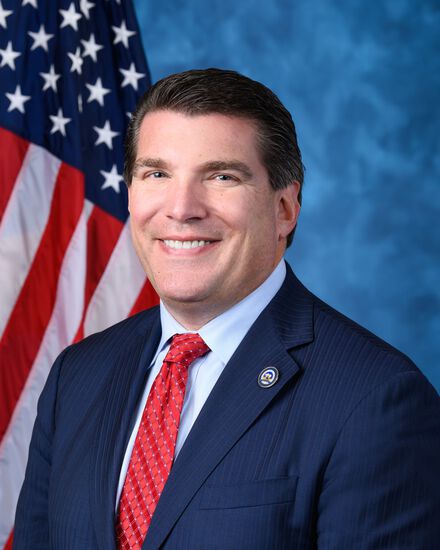
Rep. Jay Obernolte
Sponsored bills
Maddy summaryThis bill redesignates the existing National Parks and Public Land Legacy Restoration Fund as the America's Legacy Restoration Fund to address deferred maintenance on federal lands. It directs revenue from recreation fees and a portion of energy development income into the fund, which must be used primarily for repairing critical infrastructure like roads, trails, and buildings managed by agencies such as the National Park Service and the Forest Service. The legislation establishes strict rules requiring that most funds go toward non-transportation projects, mandates transparency through public dashboards tracking project status, and sets aside a small percentage for matching private donations. Additionally, the bill increases entrance fees for foreign visitors to ensure they contribute to the fund, while prohibiting the use of these specific funds for land acquisition or employee bonuses.
Repealing Big Brother Overreach Act This bill repeals the Corporate Transparency Act. The act requires existing companies and newly created companies to report beneficial ownership information to the Department of the Treasury’s Financial Crimes Enforcement Network for purposes of addressing the financing of terrorism and money laundering.
Maddy summaryThis bill directs the government auditor (Comptroller General) to study how wildfire prevention programs operate across different land ownerships - including federal, state, tribal, and private lands. The study will examine current federal rules, funding access, and specific wildfire mitigation activities from the 2003 Healthy Forests Restoration Act. It will identify barriers and opportunities to improve cross-boundary collaboration, with a report due to Congress within two years. The bill itself does not create new programs or funding, only requiring this analysis.
Maddy summaryThe ReCement Act amends federal regulations to allow cement manufacturers to use non-hazardous secondary materials as fuel or ingredients without classifying them as waste. This change directly affects the cement industry by permitting the use of recovered resources that meet specific legitimacy criteria, such as being managed as valuable commodities or processed before use. By updating the definition of what constitutes waste under the Solid Waste Disposal Act, the bill aims to increase material efficiency in cement production through the incorporation of alternative fuels and recovered materials.
Maddy summaryHR 7892, the "No Aid for Ghost Students Act of 2026," requires the U.S. Department of Education to implement an identity fraud detection system for federal student aid applications starting October 1, 2026. The system flags applications showing potential identity fraud, notifying both applicants and their designated colleges. Colleges must then verify applicants' identities in person or via live video call before disbursing aid, and maintain records of this verification. The bill also mandates annual reports to Congress on the system's effectiveness and requires the Department to establish verification guidelines by October 2026. This directly affects students applying for federal financial aid and the colleges administering those funds.
Maddy summaryThe Disaster Ready Infrastructure Act of 2026 requires federal transportation planning documents to identify infrastructure vulnerable to frequent natural disasters. Specifically, it mandates that both metropolitan and statewide plans list which facilities are at risk, which are critical for maintaining operations during or after a disaster, and what improvements are needed to keep them running. This change directly affects transportation planners and agencies responsible for creating these regional and state-level plans. By adding these specific identification steps to existing laws, the bill aims to ensure that disaster resilience is a formal part of transportation planning.
Maddy summaryThis bill creates new grounds for deporting non-citizens who are members of or associated with criminal gangs. It defines a "criminal gang" as a group of five or more people whose primary purpose is committing serious crimes like drug offenses, violence, trafficking, or weapons violations. The Secretary of Homeland Security can designate groups as criminal gangs after consultation with the Attorney General, and these designations make gang members ineligible for asylum, temporary protected status, parole, and other immigration benefits. The bill also establishes procedures for reviewing and revoking these designations, with limited judicial review options.
Maddy summaryHR 1041, the Veterans 2nd Amendment Protection Act, prevents the Department of Veterans Affairs (VA) from automatically sending veterans' personal information to the national background check system (NICS) solely because a court has appointed a fiduciary (like a guardian) to manage their benefits. This directly affects veterans who have a fiduciary appointed due to mental health or cognitive challenges but are not deemed a danger to themselves or others. The bill requires a court order finding the veteran poses a danger before any such information can be shared with the NICS. It changes VA procedures to block unnecessary barriers to firearm ownership for veterans who qualify for fiduciary support without a judicial determination of danger.
Maddy summaryThe Zero Tolerance for Fraudsters Act of 2026 establishes mandatory minimum prison sentences for individuals convicted of specific federal fraud offenses involving large sums of money. This legislation directly affects people charged with crimes such as making false statements to the government, mail fraud, wire fraud, and bank fraud. Under the new rules, anyone convicted of these crimes who involved at least $1 million but less than $5 million would face a minimum of one year in prison, while those involved with $5 million or more would face a minimum of five years. The bill sets these floors only when the existing laws for a specific crime do not already require a longer sentence, ensuring that serious financial fraud results in significant incarceration time.