

Maddy summarySB 876 extends the statute of limitations for civil lawsuits seeking damages from sexual assault survivors in Oklahoma. It allows victims to file such claims within four years after leaving the abuser's dependency or discovering the injury and its link to the abuse - whichever happens later. This applies to cases defined under Oklahoma Statutes Section 142.20, covering intentional sexual assault. The bill directly affects adult survivors seeking civil remedies, providing a clear timeframe for filing lawsuits without requiring proof of which specific assault caused harm. It becomes effective November 1, 2025.
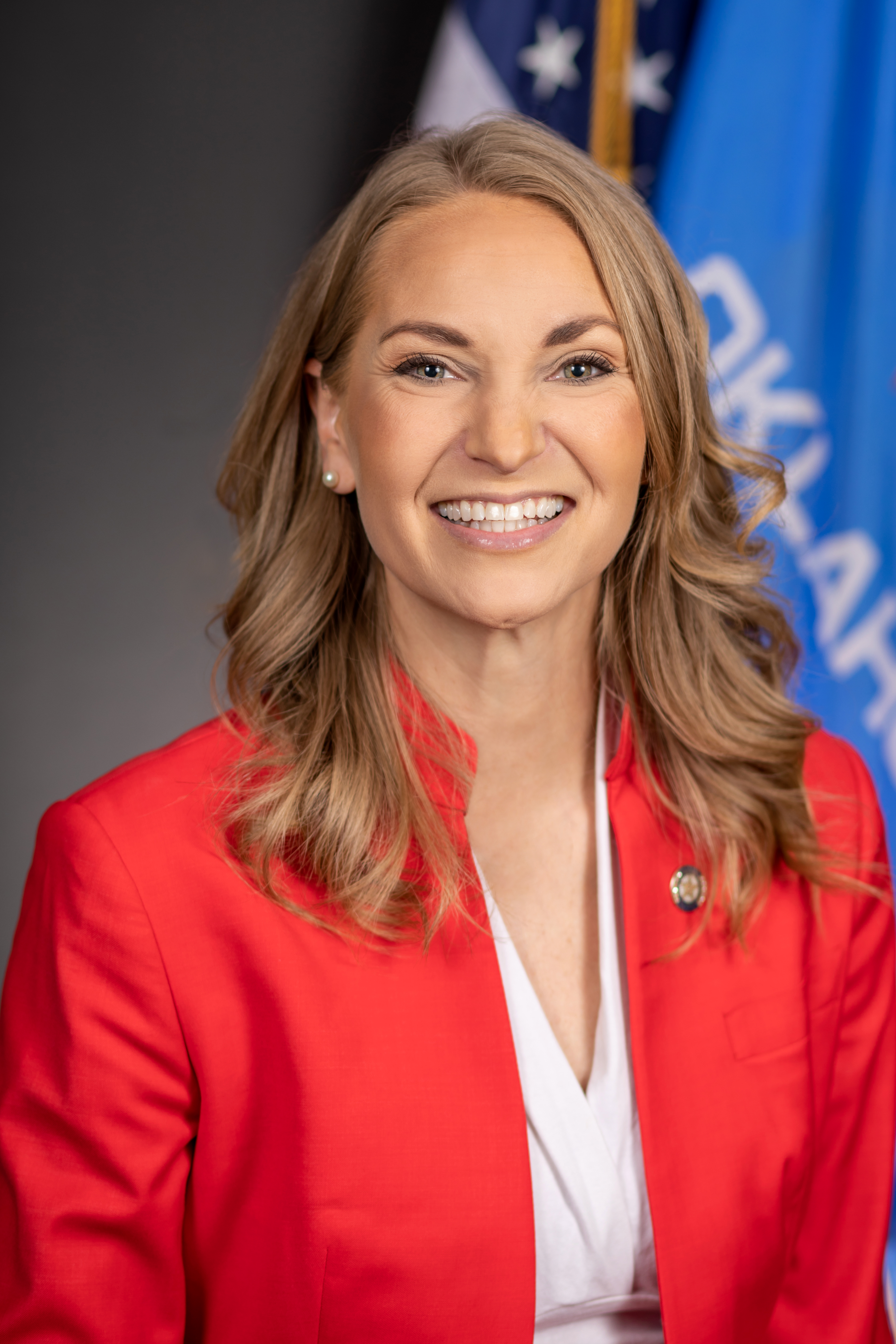
Sen. Carri Hicks
Sponsored bills
Maddy summaryHB 1712 modifies Oklahoma election law to give political parties control over primary voting access. It requires parties choosing closed primaries (limiting voting to registered party members) to cover all election costs for those primaries, rather than passing costs to taxpayers. Parties must notify the State Election Board by November 1 (or December 15 for changes) whether they allow independent voters to participate in their primaries. Independent voters may only cast ballots in one party's primary, and failure to notify the Board bars independent voting in that party's primary. The bill takes effect November 1, 2025.
Maddy summarySB 34, the "Access to Lifesaving Medicines Act," prohibits health insurers and pharmacy benefits managers (PBMs) from requiring insured Oklahomans to pay "excess cost burdens" for prescription drugs - defined as costs exceeding the insurer's net price after discounts. It mandates that PBMs must offer rebates directly to health benefit plan enrollees and limits out-of-pocket costs to the lowest of six specified amounts, including the maximum allowable drug cost and the adjusted out-of-pocket amount. The law directly affects patients with prescription drug coverage, insurers, and PBMs by restructuring how drug costs are shared at the point of sale. It requires insurers to follow these cost-sharing rules starting November 1, 2025, and directs the Insurance Commissioner to create implementing regulations.
Maddy summarySB 226 changes how Oklahoma reimburses hospitals under its Medicaid program. It requires the Oklahoma Health Care Authority to pay rural emergency hospitals more for services to Medicaid patients and to pay 25% more for obstetrical care at hospitals certified as "Baby-Friendly" by Baby-Friendly USA. The bill mandates seeking federal approval for the obstetrics reimbursement change and takes effect July 1, 2025. These adjustments directly affect rural emergency hospitals and Baby-Friendly designated hospitals providing maternity care.
Maddy summaryThis Oklahoma bill requires drivers to use appropriate child passenger restraints for children under eight years old or shorter than 4 feet 9 inches when traveling in vehicles on state roads. Specifically, children under four must ride in rear-facing seats until age two or until they reach the seat’s weight/height limit, while children aged four to eight who are under 4'9" must use a car seat or booster. Violations carry fines of $50 for improper child restraint use or $20 for seat belt noncompliance, with first-time offenders potentially avoiding fines by purchasing a restraint. Revenue from fines funds state highway safety programs promoting proper child passenger safety.
Maddy summarySB 145 requires Oklahoma correctional facilities to provide specific accommodations for lactating inmates, including equipment for pumping breast milk, storage bags, refrigeration/freezing options, and safe handling procedures for delivering breast milk to a designated recipient. The bill directly affects incarcerated individuals who are postpartum and lactating. The Oklahoma Department of Corrections must create implementing rules to administer these requirements, with the law taking effect November 1, 2025. This policy change mandates concrete facility provisions rather than altering broader correctional practices.
Maddy summarySB 52 changes Oklahoma's Earned Income Tax Credit (EITC) to be 5% of the federal EITC amount for tax years starting in 2022. It clarifies that the state credit calculation uses the same federal rules as the federal EITC (except for the fixed 5% rate) and ensures any excess credit beyond state tax liability is refunded. The bill also limits the maximum credit to the portion of the federal credit corresponding to the taxpayer's Oklahoma income relative to their federal income. This affects Oklahoma residents who qualify for the federal EITC and claim the state credit, potentially altering their refund amounts.
Maddy summarySB 337 amends Oklahoma's public health law to allow cities and towns to adopt stricter smoking and vaping regulations than the state, while preventing local rules from being weaker than state standards. It expands the existing law to cover vapor products (like e-cigarettes) in public places and properties owned by local governments. The bill removes a previous state preemption that limited local authority, enabling more protective local measures without conflicting with state law. The law takes effect on November 1, 2025.
Maddy summarySB 150 requires all firearm owners in Oklahoma to store non-use firearms in a locked container or secured with a device that prevents minors from accessing them unsupervised. It makes violating this storage rule a misdemeanor punishable by up to one year in jail or a $500 fine, and a felony (2-20 years in prison, up to $5,000 fine) if a minor’s access causes injury or death. The law applies to all gun owners and takes effect November 1, 2025. It directly affects households with firearms and minors, focusing on preventing accidental harm through mandatory secure storage.
Maddy summarySB 51 provides a $200 one-time income tax credit for Oklahoma taxpayers who purchase a qualifying e-bike for use on streets and roads. The credit applies to tax years starting in 2026 and is refundable if it exceeds the taxpayer's income tax liability. It defines "e-bike" as a two- or three-wheeled electric vehicle capable of exceeding 15 mph (excluding standing electric scooters). The bill takes effect November 1, 2025, directly benefiting residents who buy eligible e-bikes.