

Maddy summarySB 881 expands Oklahoma's Class B5 criminal offenses to include 36 specific violations, such as second or subsequent domestic violence convictions, assault on police officers, stalking, sex offender registration violations, and certain animal cruelty crimes. This change directly affects individuals convicted of these offenses, classifying them under a higher penalty tier. The bill also repeals outdated infectious disease statutes (Sections 1192 and 1192.1) and updates related record-keeping requirements. It does not create new sentencing mechanisms but reclassifies existing offenses to align with revised penalty structures.
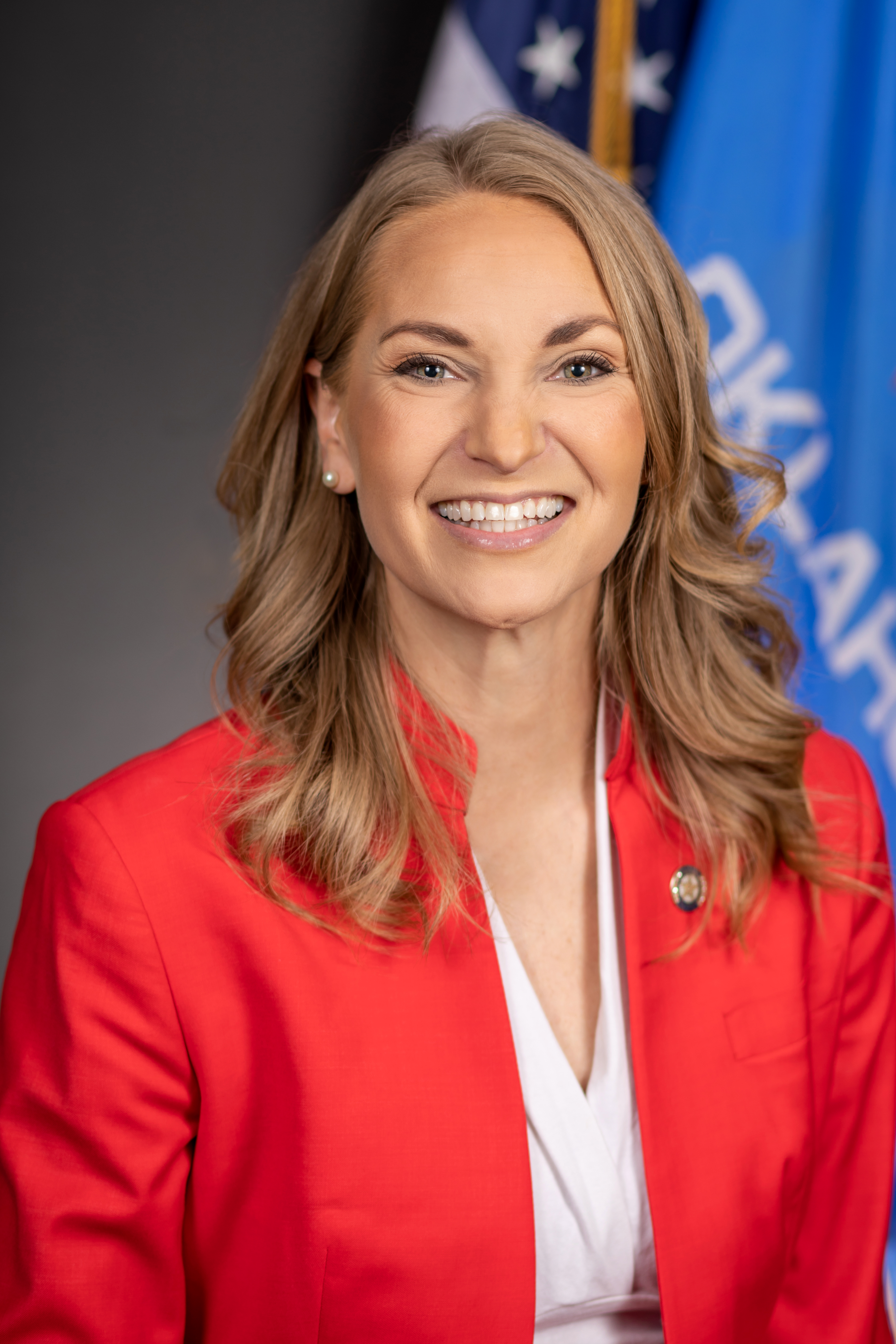
Sen. Carri Hicks
Sponsored bills
Maddy summarySB 867 requires Oklahoma public schools to include specific new metrics in annual school report cards provided to parents. The bill mandates that report cards list at least five enrichment and support indicators (such as STEM courses, mental health support, and extracurricular activities) and at least three staffing experience and retention indicators (like teacher certification rates). These requirements apply to all schools with tested students, directly affecting parents receiving the reports and school districts responsible for publishing them. The bill updates existing reporting under Oklahoma's school testing program without changing the overall grading system or assessment methods.
Maddy summarySB 28 requires Oklahoma school districts to provide free meals to students from households with annual income below 250% of the federal poverty level during the 2025-2026 and 2026-2027 school years. It directly affects low-income students in public schools by expanding free meal eligibility beyond current federal standards. The bill mandates state funding apportionment through the State Board of Education to cover these meal costs. It takes effect July 1, 2025, and was declared an emergency to ensure immediate implementation.
Maddy summaryThis constitutional amendment (SJR 1) updates Oklahoma's rules to allow legislators to become certified public school teachers after their term ends, removing gendered language from the existing provision. It directly affects current and future Oklahoma state legislators who wish to transition to teaching roles in public schools following their service. The key change is making the exception for teaching employment gender-neutral while maintaining the requirement that such work occurs after a legislator's term concludes. Voters will decide whether to adopt this amendment through a referendum.
Maddy summarySB 225 establishes the Oklahoma Rare Disease Advisory Council within the State Department of Health to address the needs of Oklahomans with rare diseases. The council directly affects rare disease patients, caregivers, healthcare providers, and related organizations by providing guidance on policy, care access, and emergency planning. Key provisions include holding public hearings, developing recommendations for healthcare coverage and diagnostics, creating emergency care protocols, and requiring annual reports to the legislature. Membership includes 13+ diverse stakeholders like patients, physicians, insurers, biopharma representatives, and researchers, appointed by the Governor and Council chair. The council must submit annual reports detailing its work and policy recommendations to the Governor and legislature.
Maddy summarySB 142 updates Oklahoma's minimum salary schedule for certified school personnel (including teachers) in public schools, effective for the 2025-2026 school year. It sets new minimum pay rates based on years of experience and education level, such as $39,601 for a bachelor's degree with 0 experience, increasing to $59,153 for a master's degree with 25+ years. The bill also clarifies that "fringe benefits" exclude certain retirement contributions and requires school districts to notify teachers if their salary would fall below the new minimums. This is a direct compensation adjustment affecting all Oklahoma public school teachers under the state's salary framework.
Maddy summarySB 360 increases the maximum number of full-time-equivalent employees authorized for the State Board of Licensed Social Workers in Oklahoma. The bill amends Section 3601.1 of state law to raise the staffing cap for this board (currently listed as 12 employees), though the exact new number isn't specified in the provided text. This change directly affects the State Board of Licensed Social Workers, enabling it to hire more staff to carry out its regulatory duties. The bill takes effect July 1, 2025, and was designated an emergency to expedite implementation.
Maddy summarySB 35 increases Oklahoma's minimum wage to $15.00 per hour or the current federal minimum wage, whichever is higher, for all covered hourly workers in the state. This change directly affects most private-sector employees in Oklahoma who are currently paid below $15 per hour. The bill amends the Oklahoma Minimum Wage Act to update the statutory rate and sets the effective date for November 1, 2025. It does not include exemptions for small businesses or other adjustments beyond the wage rate itself.
Maddy summarySB 926 requires Oklahoma's Medicaid program to cover insulin and insulin delivery systems (including tubeless, wearable insulin pumps) when medically necessary for diabetes management. This directly affects Medicaid beneficiaries with diabetes who rely on these treatments. The bill mandates the Oklahoma Health Care Authority to seek federal approval for this coverage change and takes effect July 1, 2025. It does not alter Medicaid eligibility but ensures specific diabetes-related treatments are covered under the state's Medicaid program.
Maddy summarySB 926 requires Oklahoma's Medicaid program to cover insulin and insulin delivery devices (like tubeless wearable pumps) when medically necessary for diabetes management. It specifically mandates coverage for devices that automatically deliver insulin, directly affecting Medicaid enrollees with diabetes who rely on these treatments. The bill directs the Oklahoma Health Care Authority to seek federal approval for implementation and takes effect on July 1, 2025. This policy change ensures Medicaid covers essential diabetes care tools without requiring prior authorization for covered devices.